Category: Guttering

Everything to do with the Guttering including facia etc.

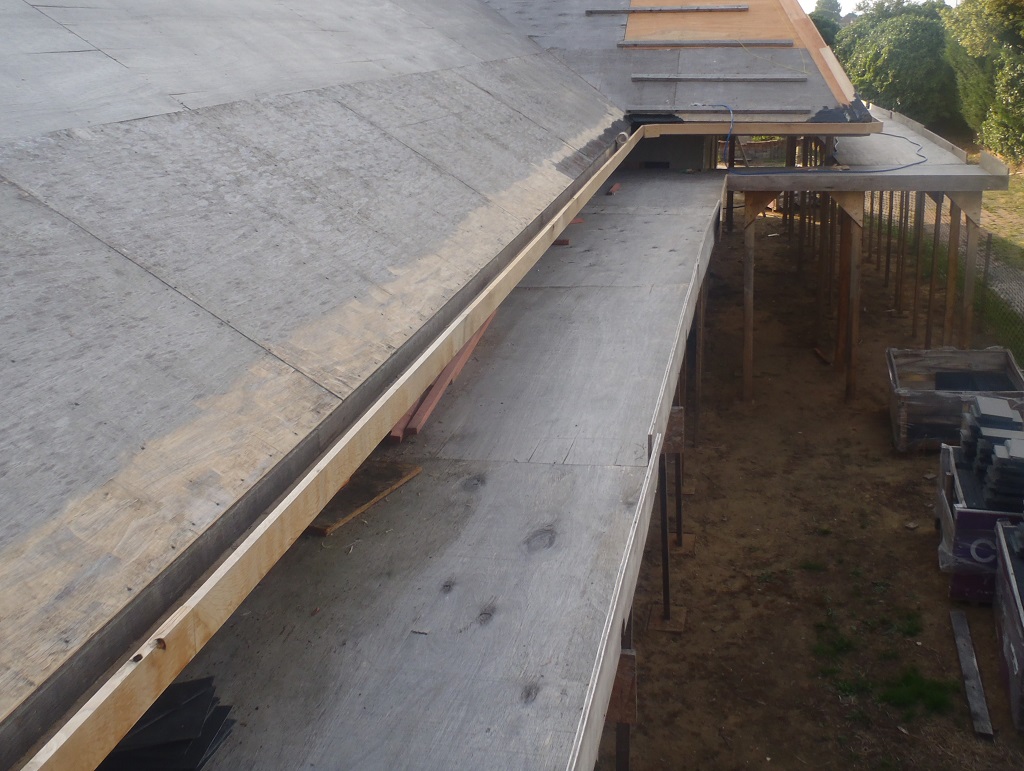
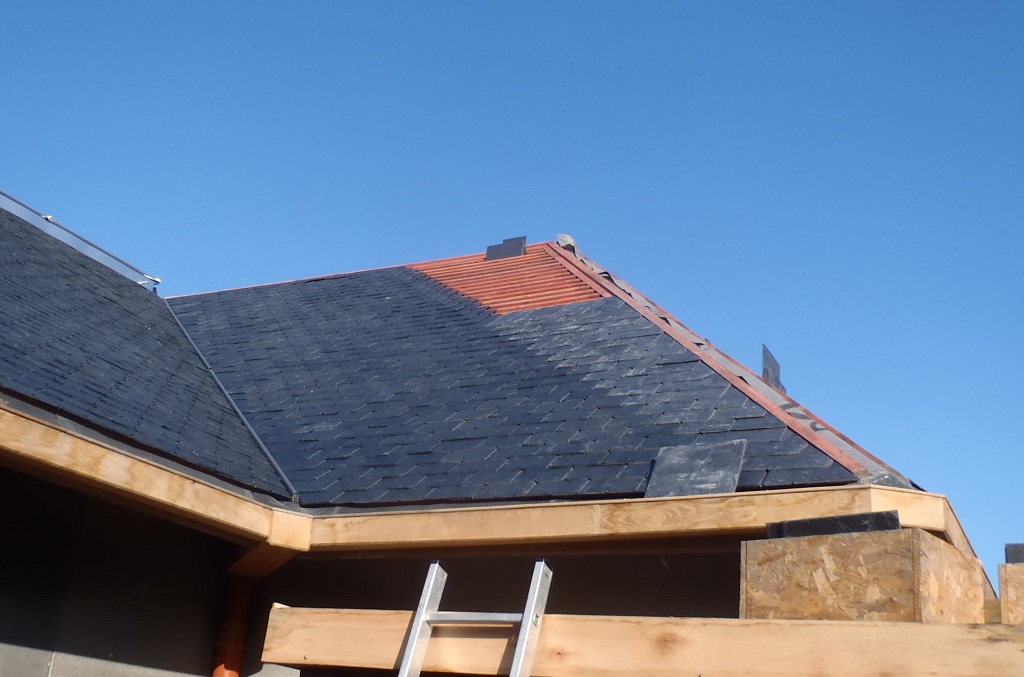
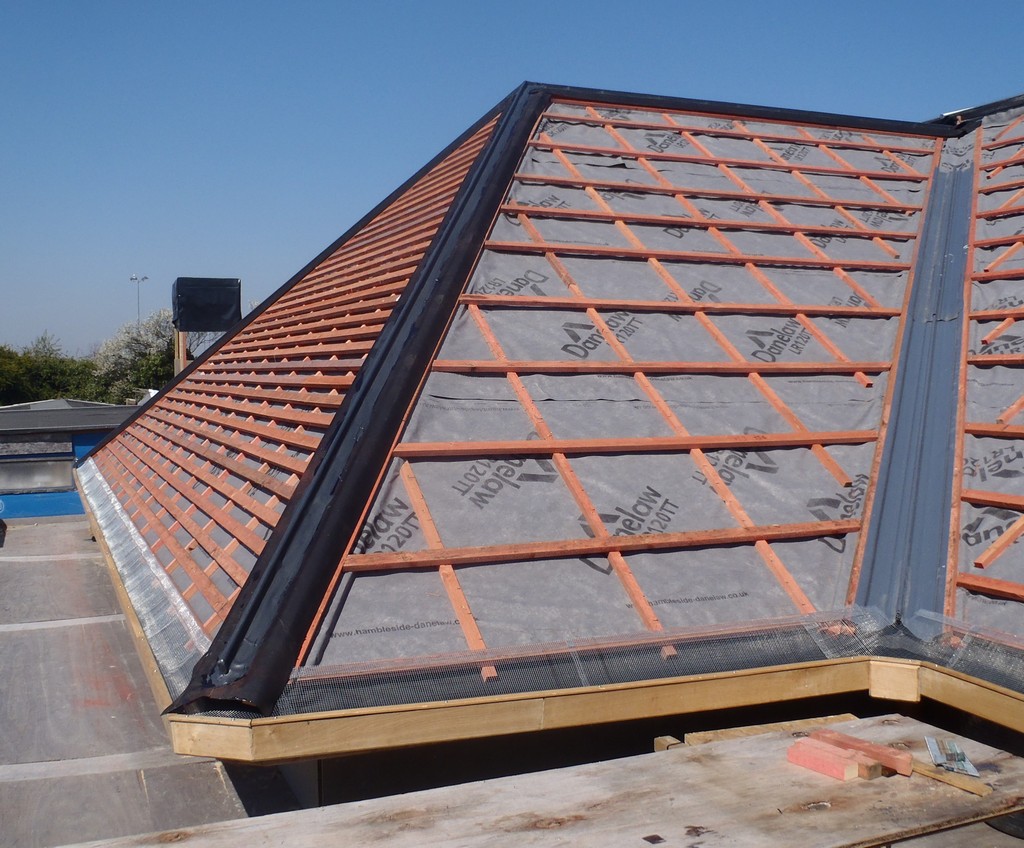
  • “P” Roof All Complete, Mesh on “A” Gutter, Half of “A” Roof Covered in Slates and Flashing Installed Along Skylight

    Another week is complete, with lots of Slates being mounted plus some little bit of work on the window’s octagon pillars.
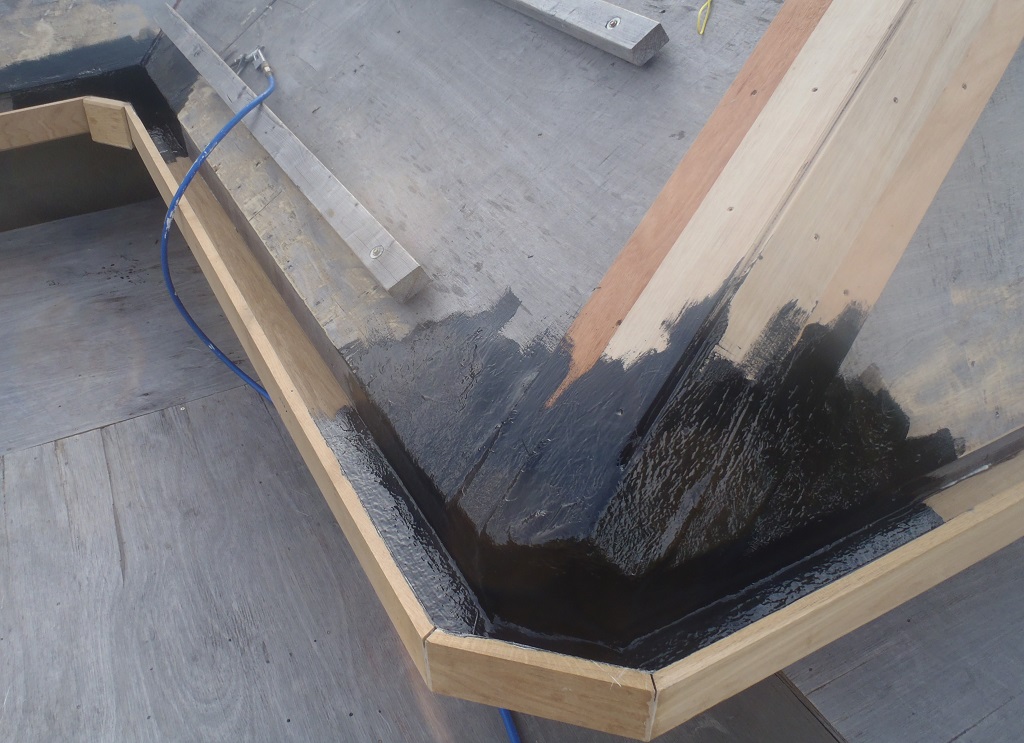
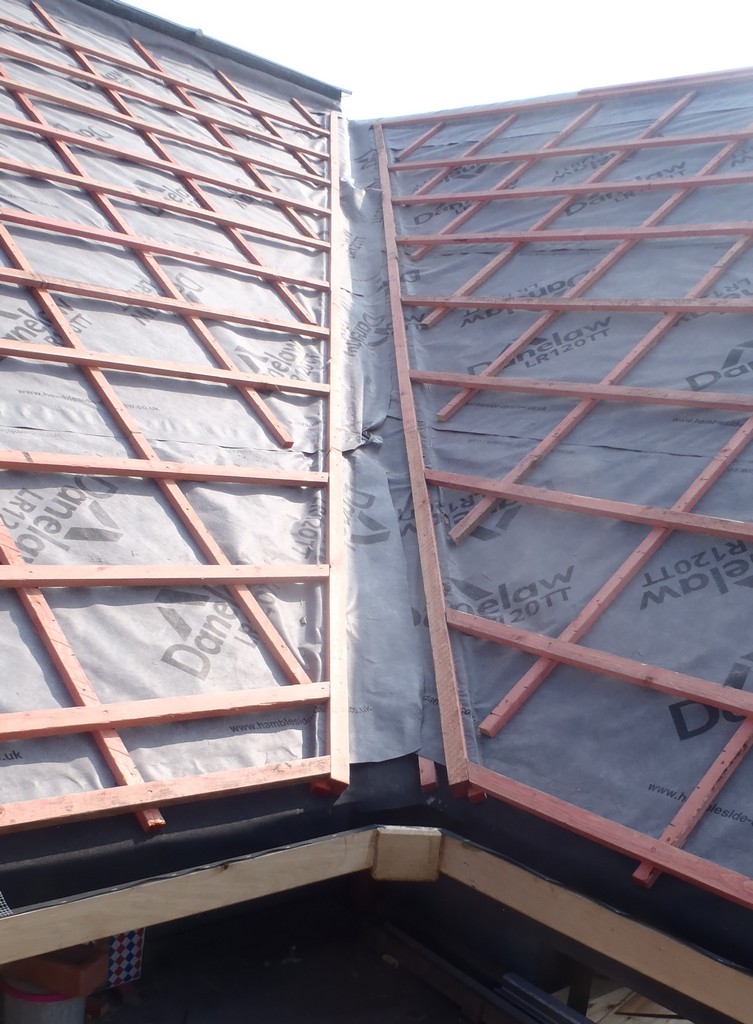
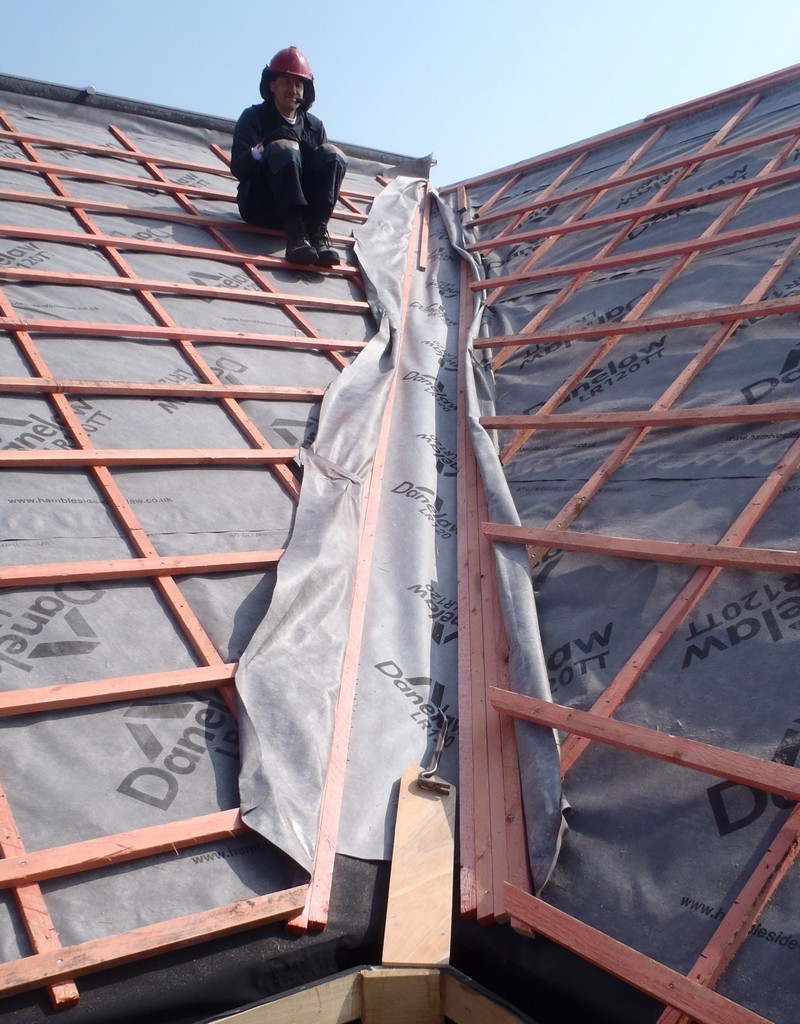
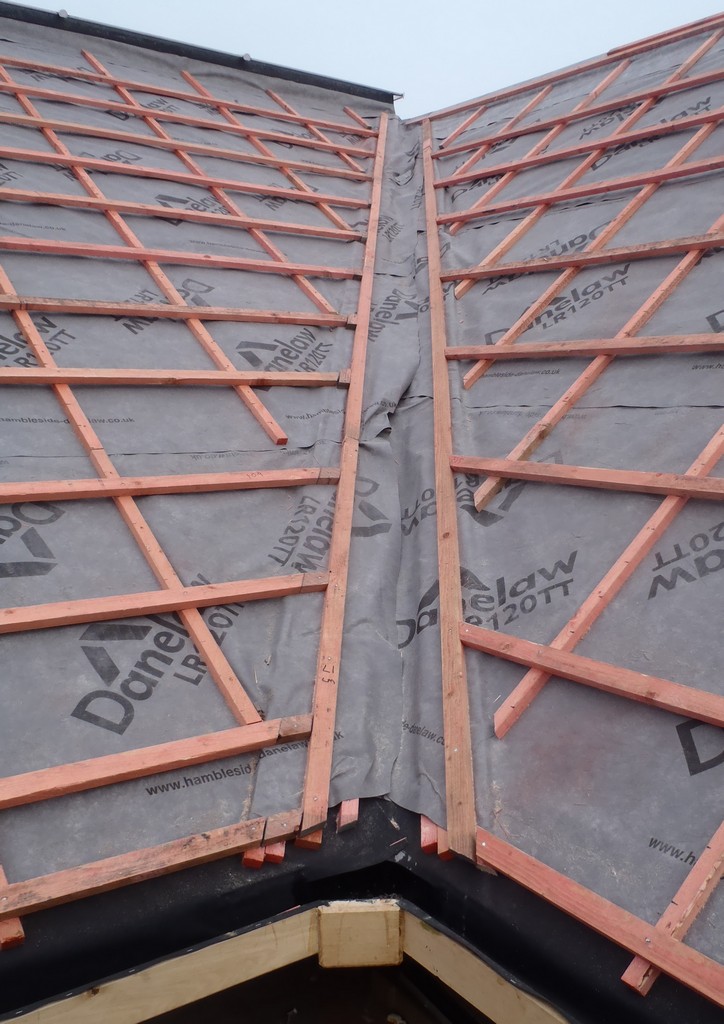
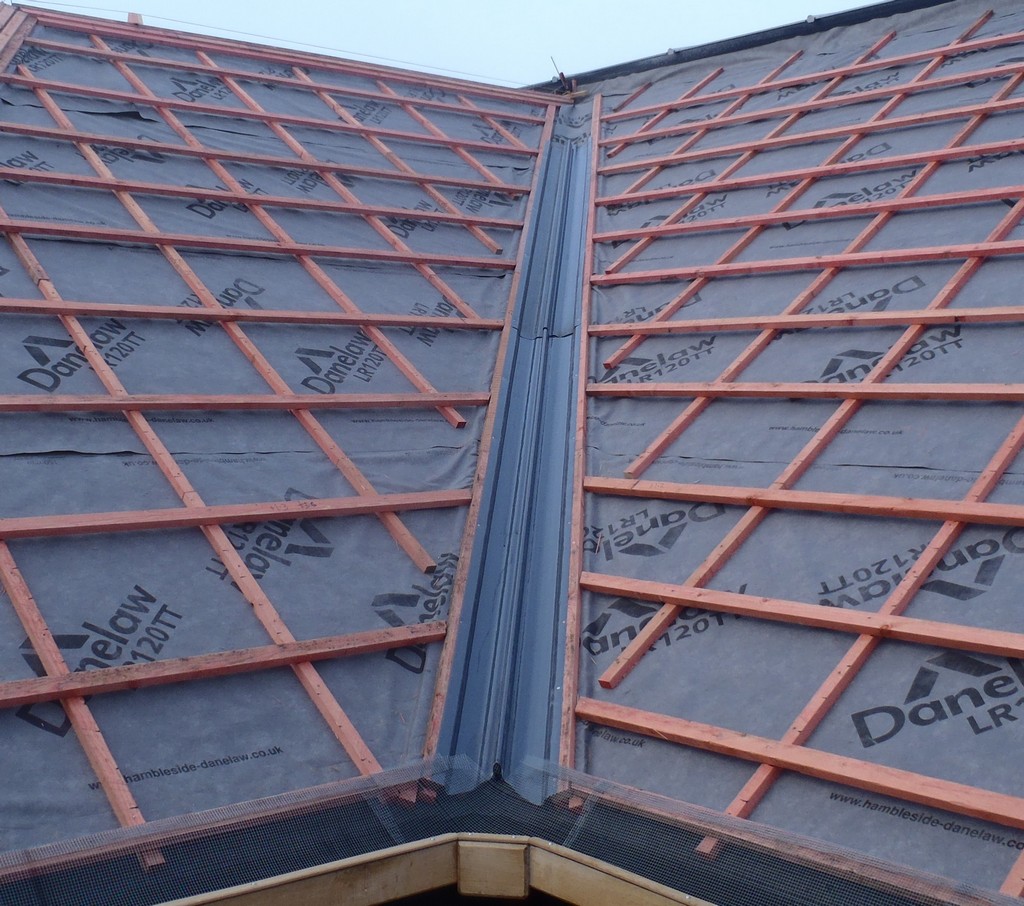
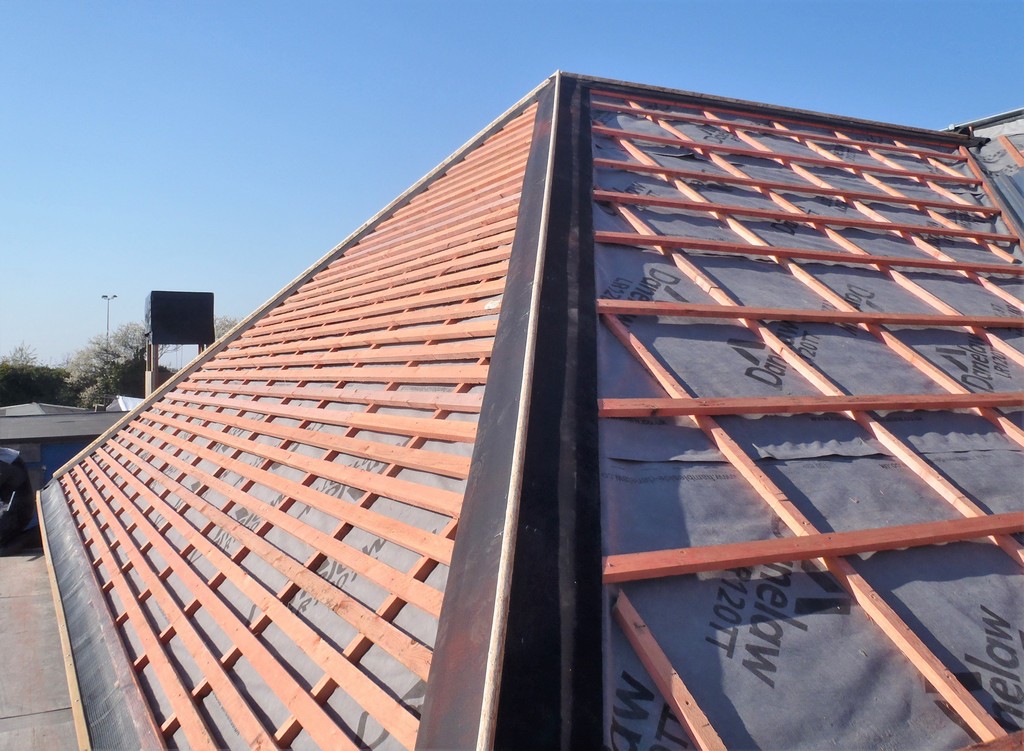
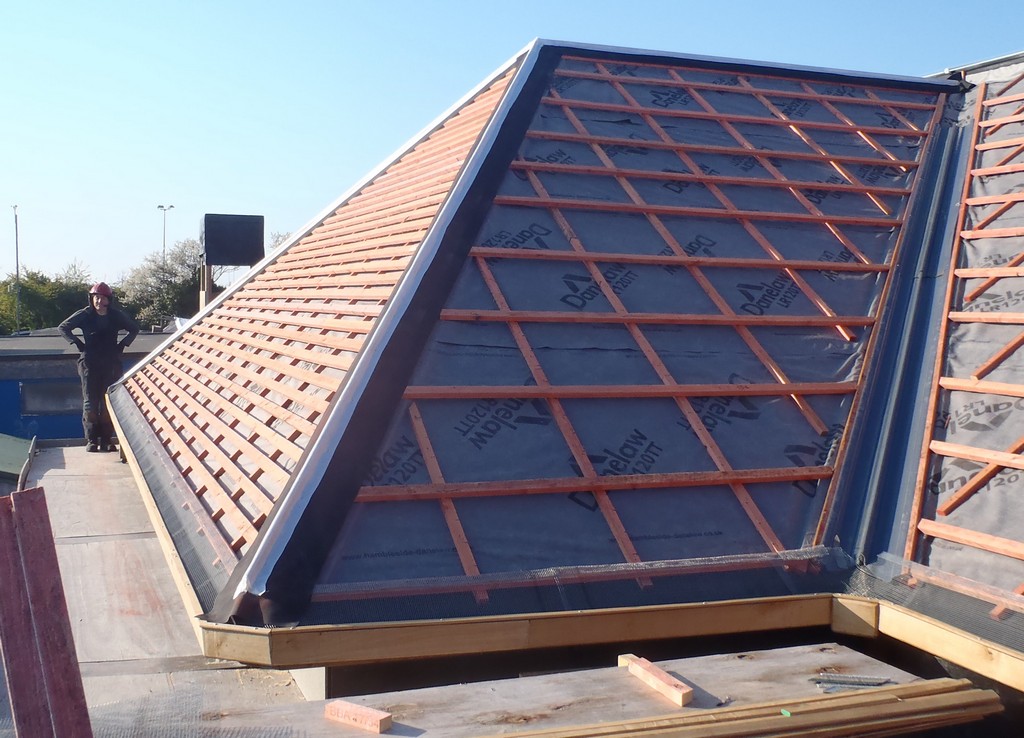
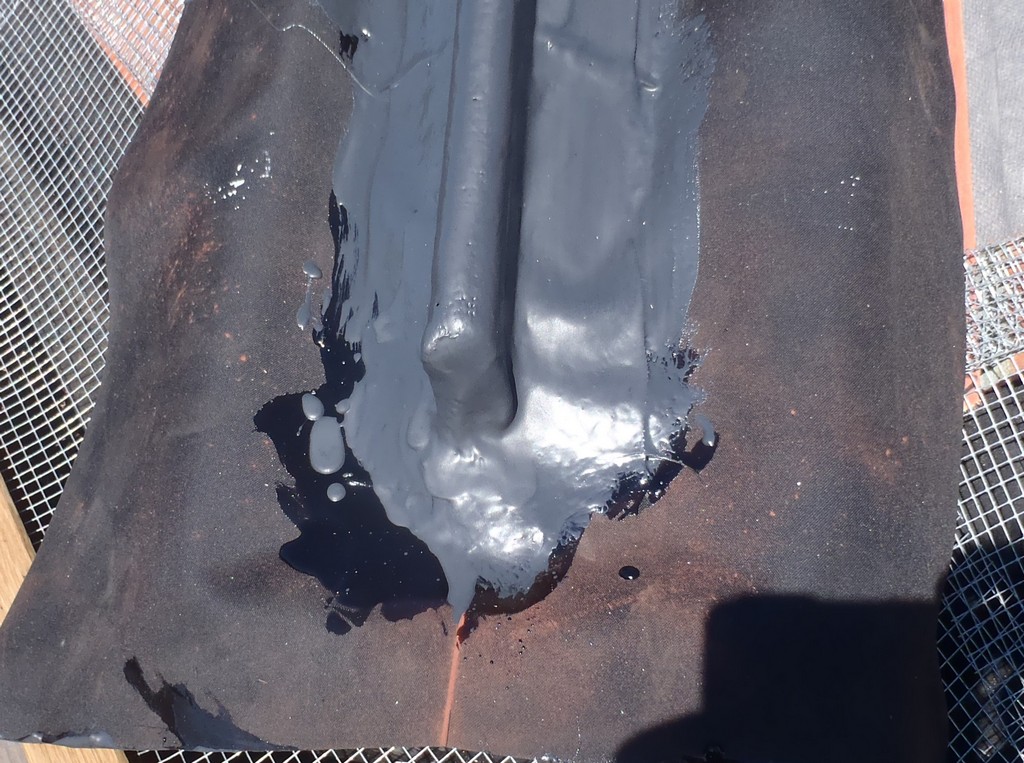
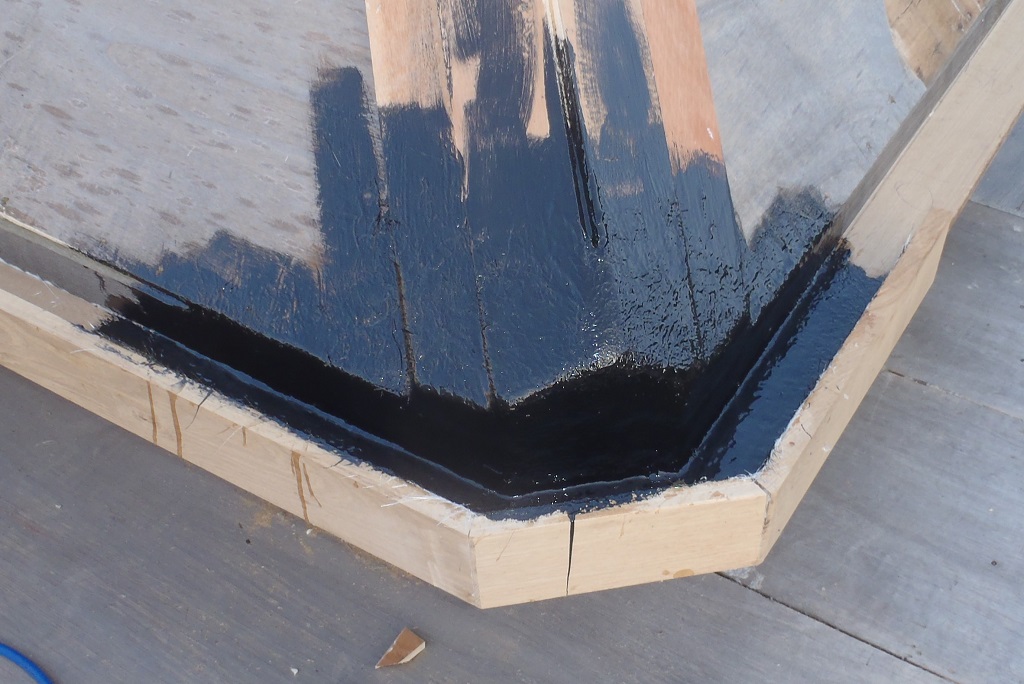
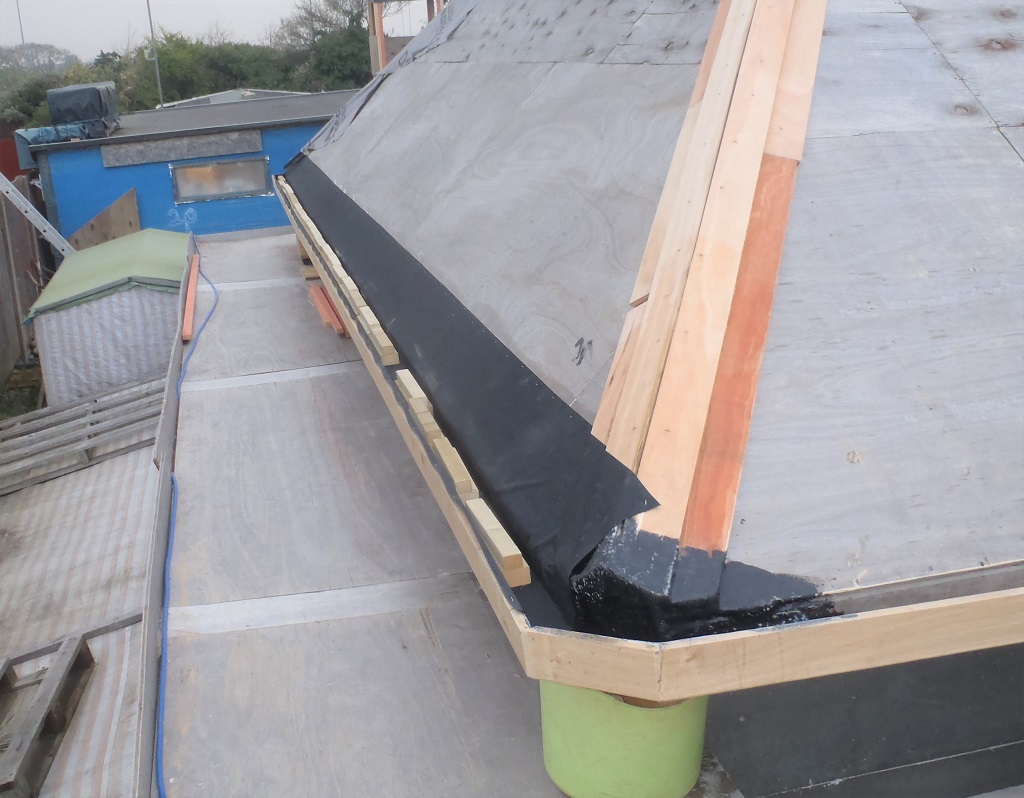
    The hip flashing was first to be done, with the bull-nose shaped fibre-glass covered in the dark grey resin, going up the P-A intersection of the roof.
    Then we went to work on the “P” section of the roof and finished it off, as now we have means and support to climb up (on the “A” roof) to gain access to “P”.

    P-Finally-finished

    P-Finally-finished


    We also put up the Skylight rubber flashing along the “A” section to the “C” ridge line and put up the aluminium cover strips too.

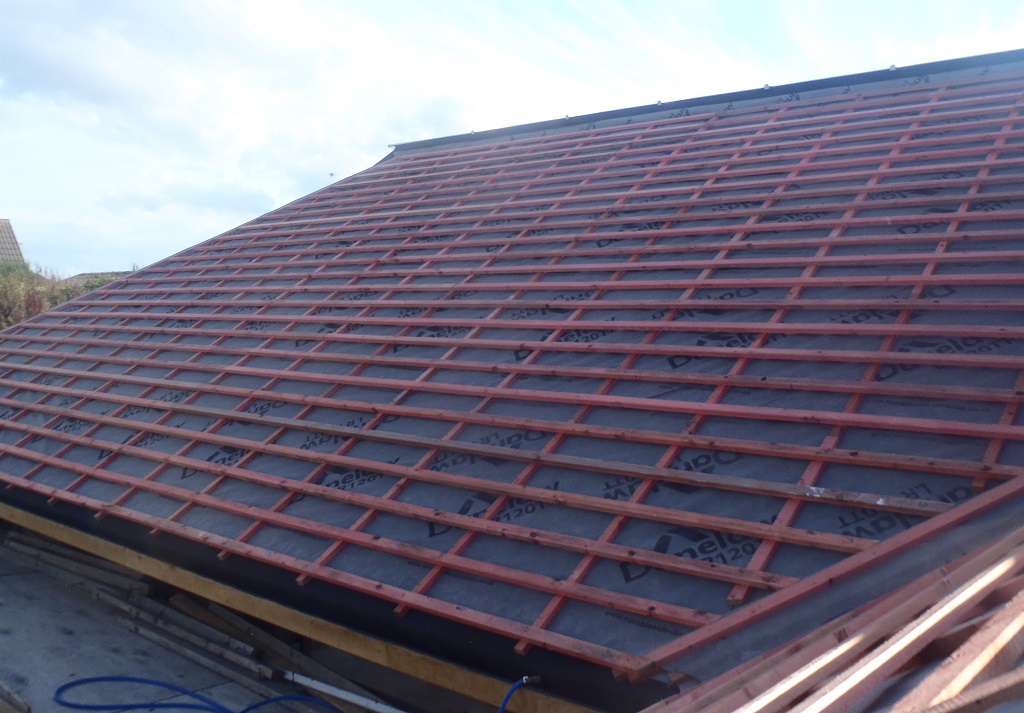
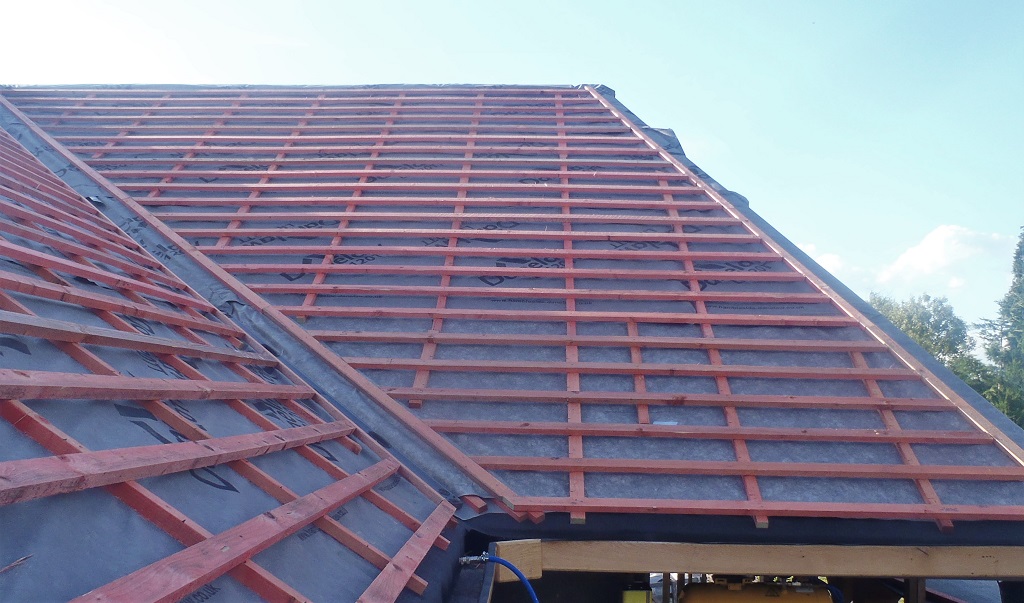
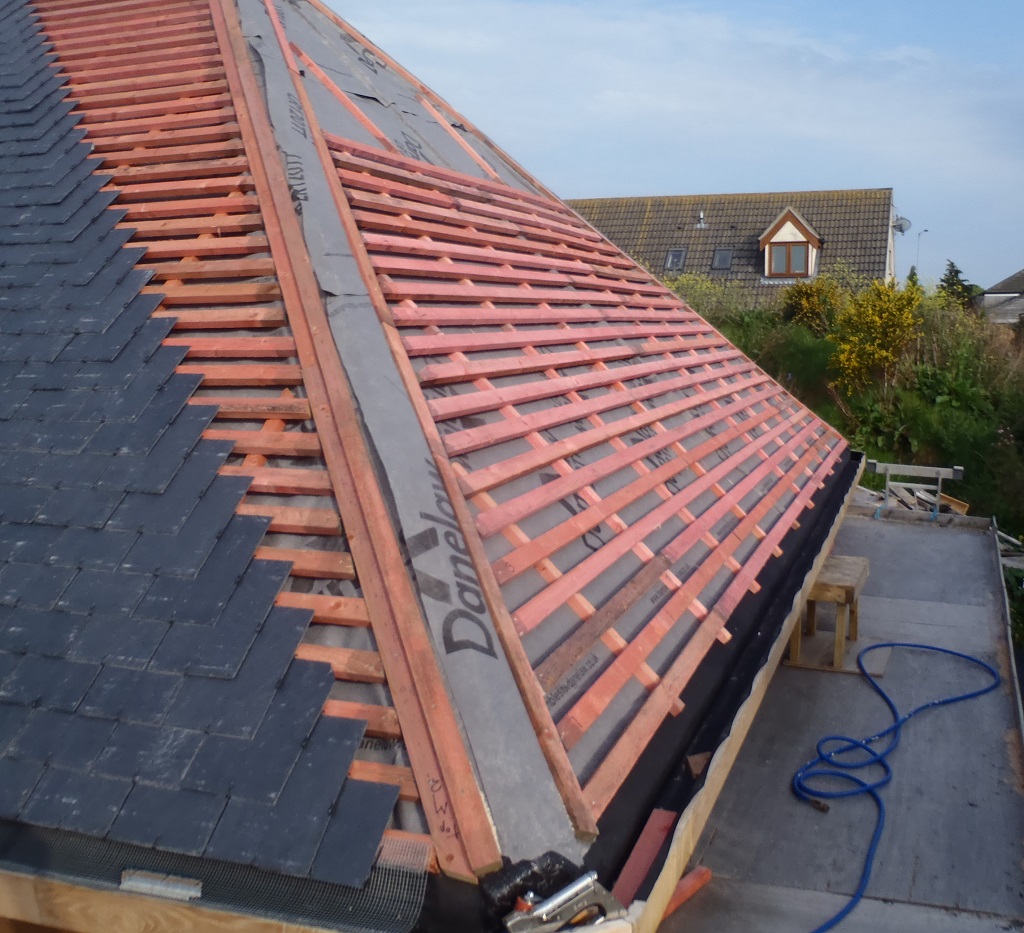
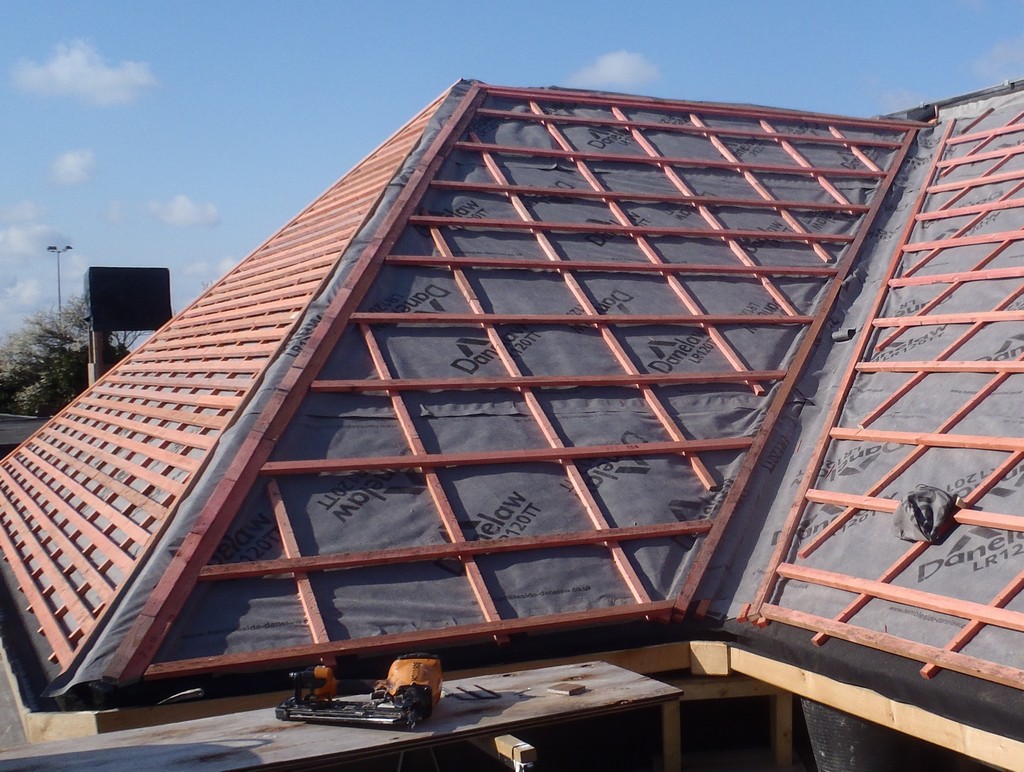
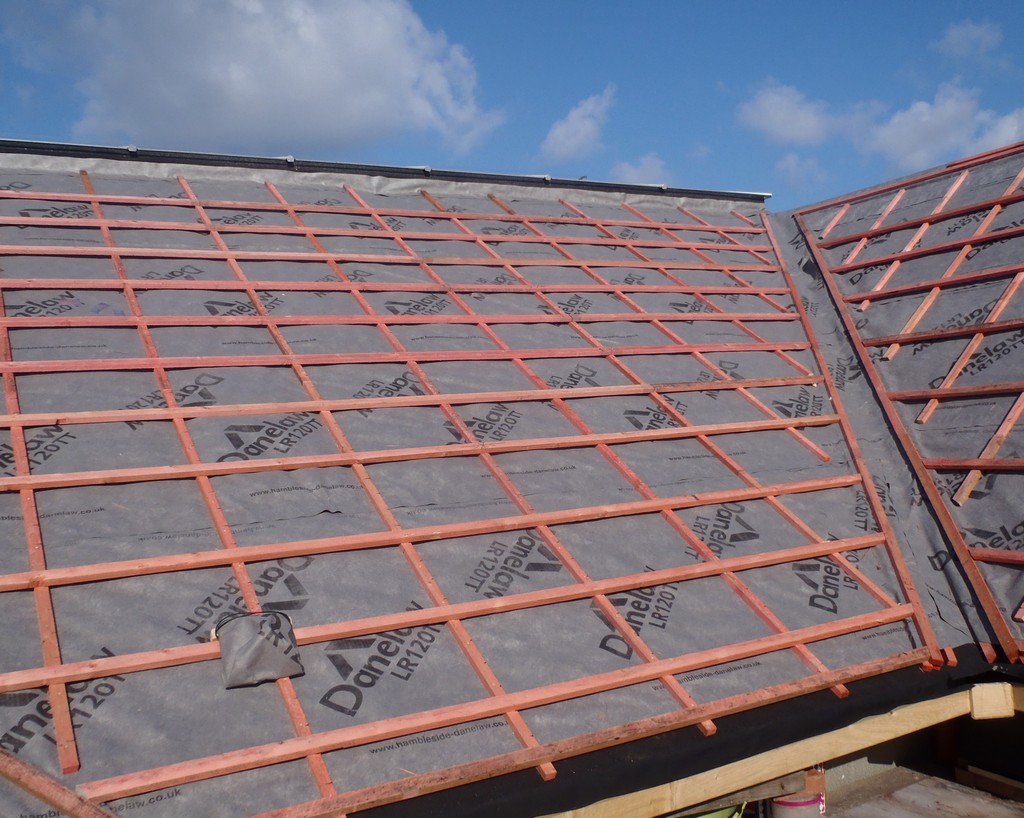
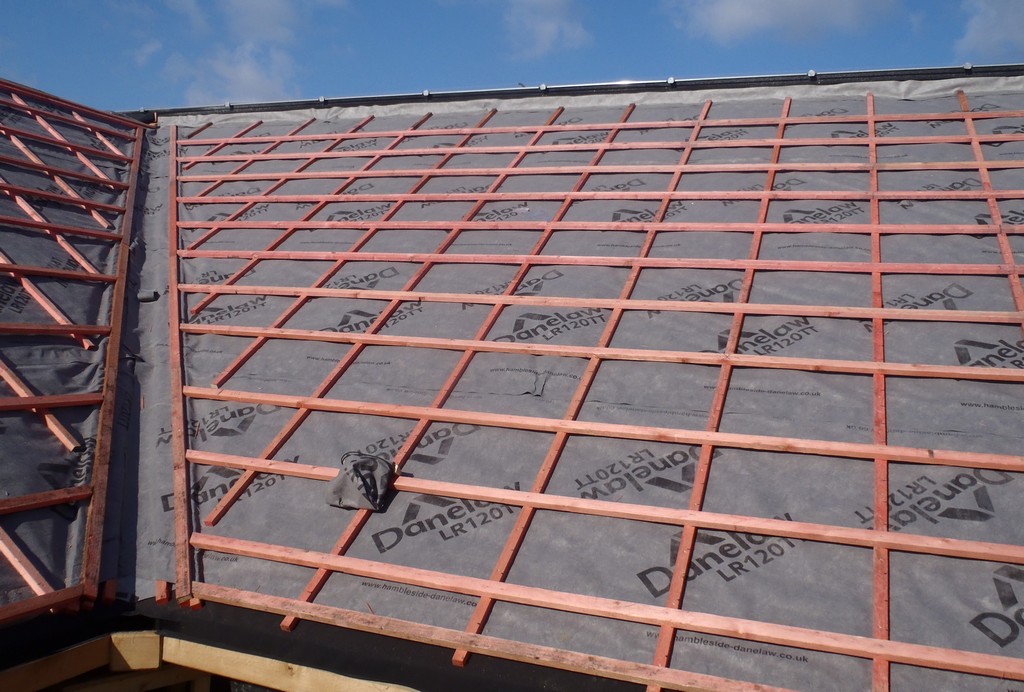
    We then installed the other half of the slating battens on ‘A’ (another 24 rows and about 260m long)

    Roof-A-all-battened-up

    Roof-A-all-battened-up


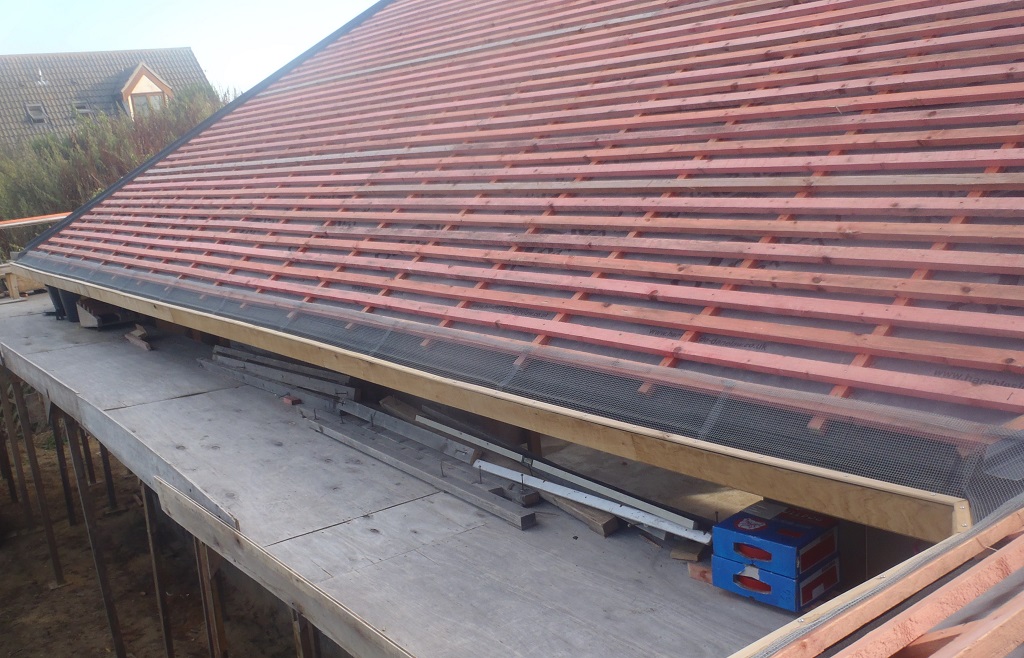
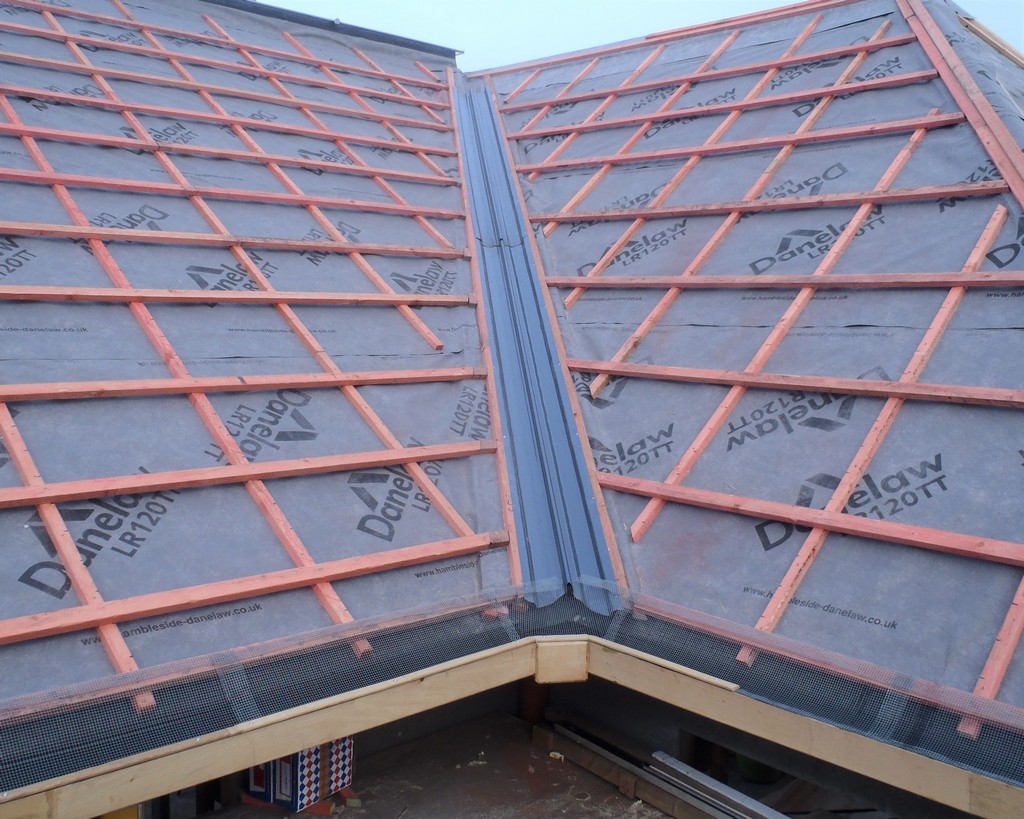
    Next, the metal mesh (for the guttering) was cut into strips off the roll, but with an additional modification applied at the same time. we put on a steel rod on to the jig so we could push and squash the mesh around the rod to make a “bump”, sticking up into the air. We are hoping that this will solve the annoying and troublesome rainwater from running across the mesh without dripping off into the gutters and dribbling over the edge down to the ground. This bump will, fingers crossed, interrupt the flow of the water and force it to drop into the gutter as it should do in the first place!
    We then proceeded to cover all the way along the “A” section and half of the “B” section including the valley corner. We had already, by then, installed two 3metre valley trough modules up the A-B valley.
    Gutter-Mesh-on-A

    Gutter-Mesh-on-A


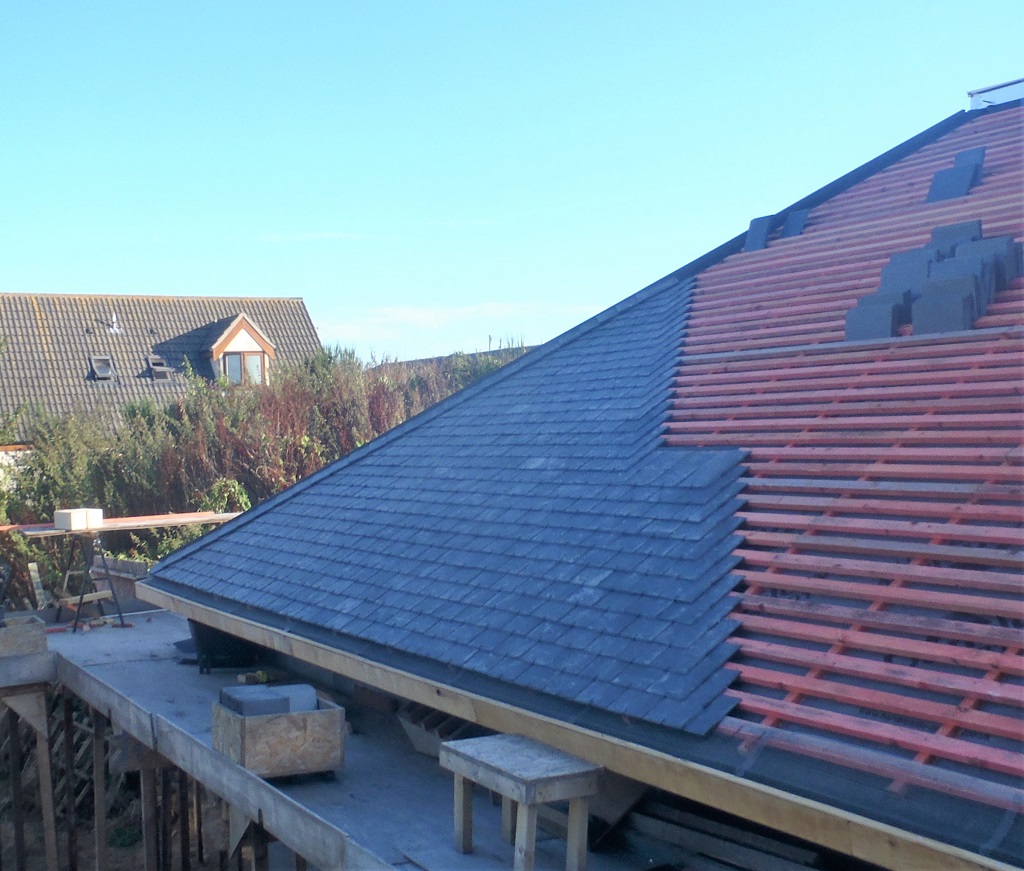
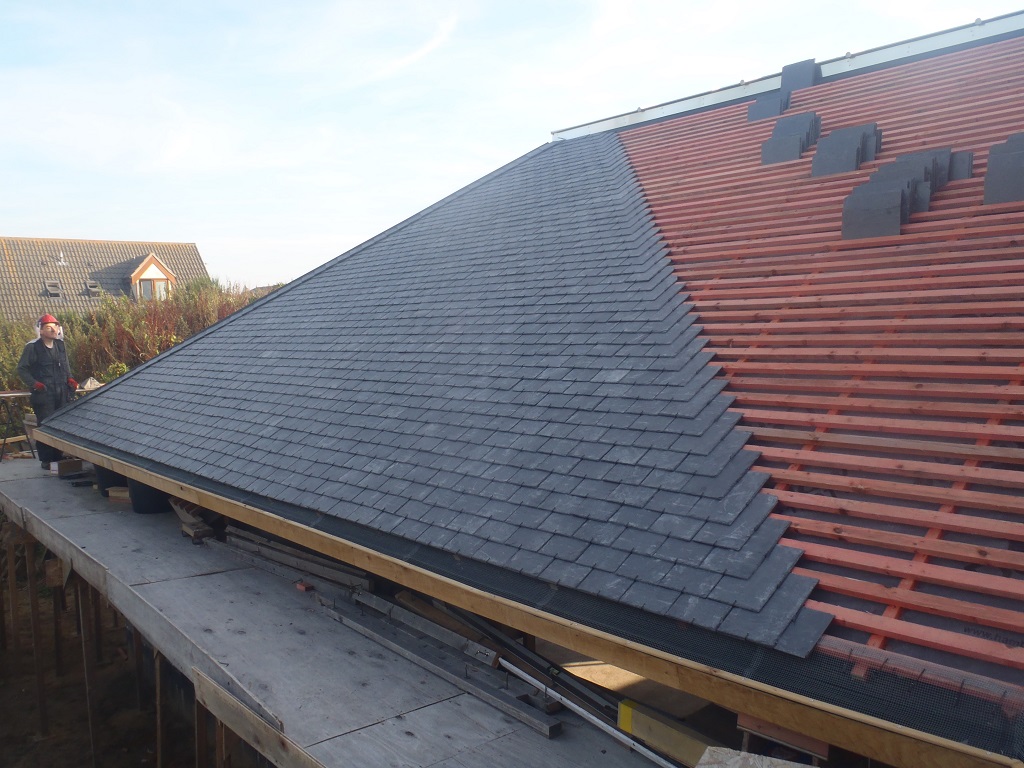
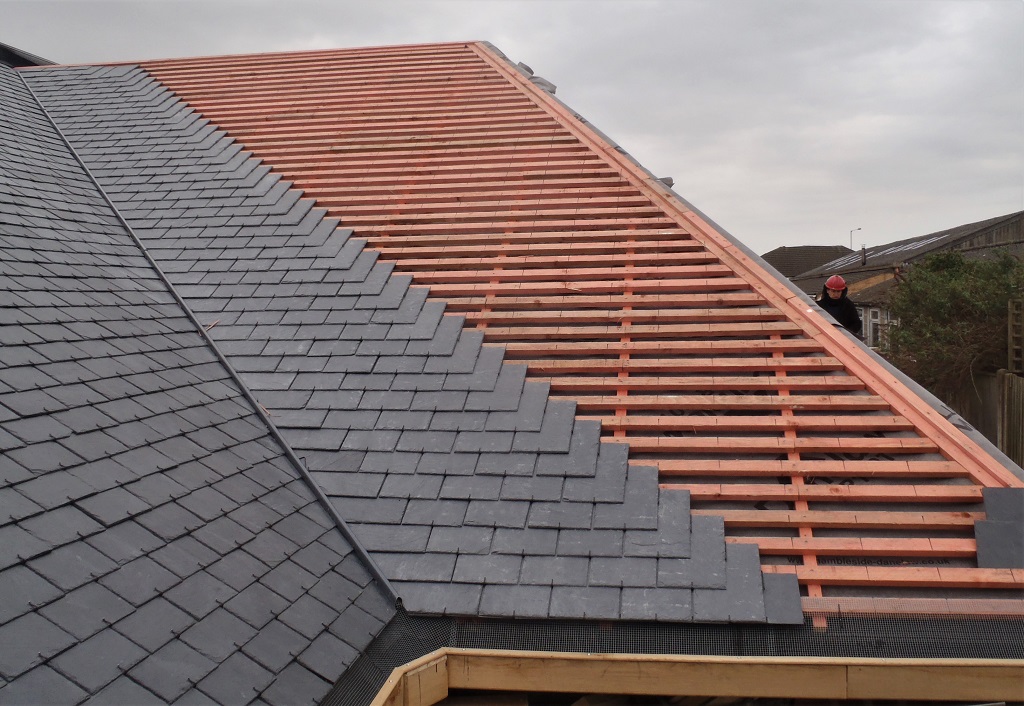
    For the last two days, we got on with slating the “A” roof and we have managed to do about a one thousand three hundred slates.
    A-Slating-Day-1

    A-Slating-Day-1

    A-Slating-Day-2

    A-Slating-Day-2


    There were interruptions during the week, some due to bad weather where we worked in the workshop on our windows and continuing with the task of shaping our octagon pillar pieces, but we had other little interruptions too.
    Next week, we will carry on with the “A” section and put up another 1500 slates, up the valley and to complete that. Then will do the three porch metal posts and get them done before we start putting on more weight on the roof and the porch.

  • Membrane Installed on Section A and B with Half of Wooden Battens Plus Work on Oak Timber for Windows

    This report is for the last two weeks of work, we had some of the days on other commitments, but we mostly worked on our roof with some in our workshop processing more oak during the wet days.
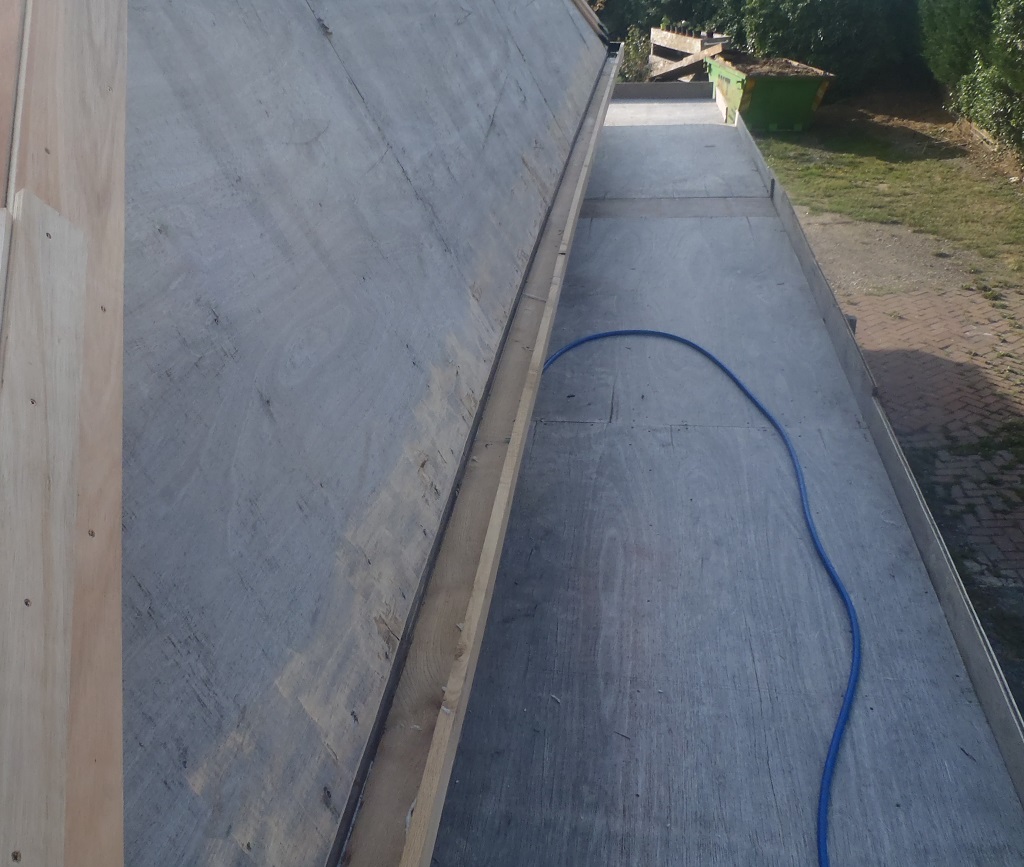
    The first task was to put in our Rubber liner into the gutters, in section “A”, “B”, “C” and “D”,. It was a bit hit and miss in finding clear weather but we managed to complete this task over two afternoons.

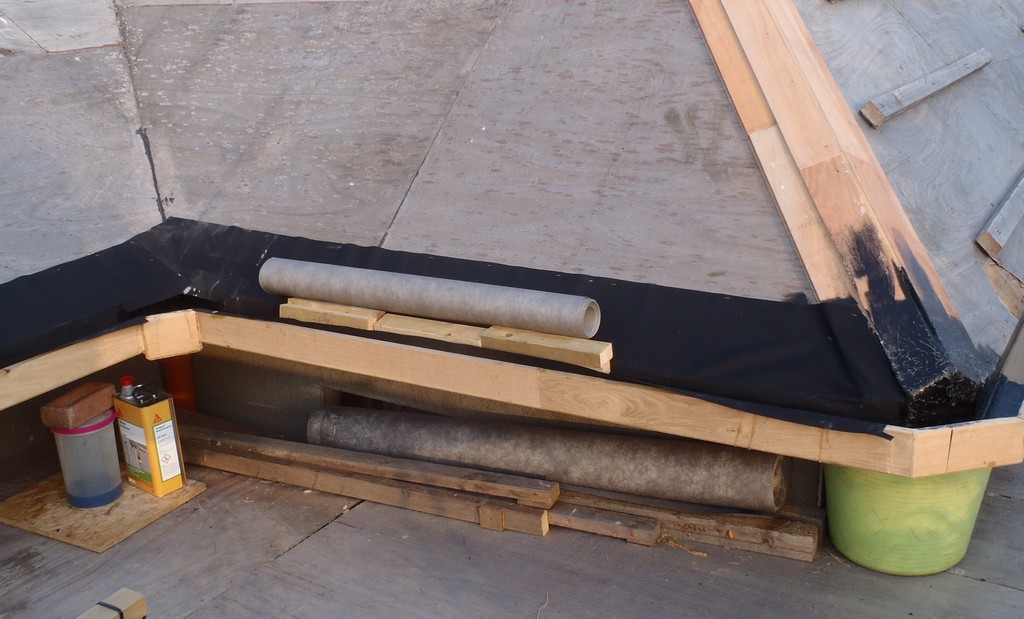
    The next task was to complete the Hips and Ridge lines, building up the layers to form the edge of the main slate surface and allow for our flashing slates to protect these edges.

    Then we concentrated on putting up the breathable membrane on just the “A” and “B” sections, to allow us, later on, to get on with the job of putting up slates (which will, in turn, allow us to do another rearrangement of our working platforms so we can reach the remaining of the “E” section and go around the corner onto the “F” Side Door Porch).
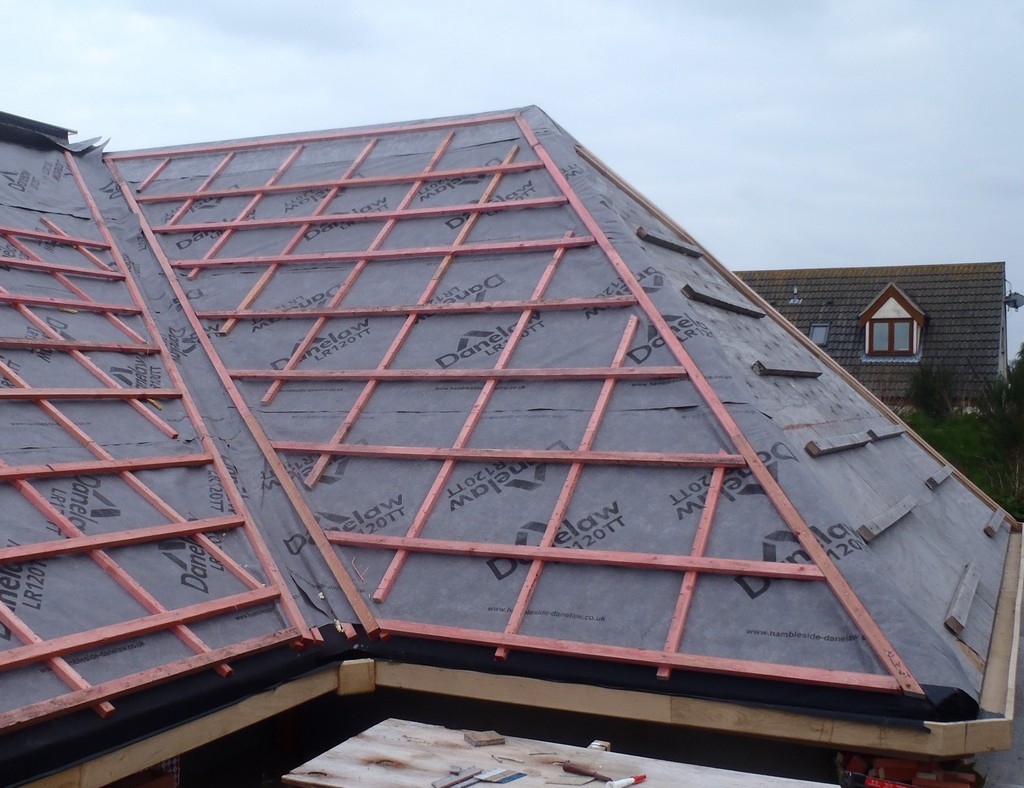
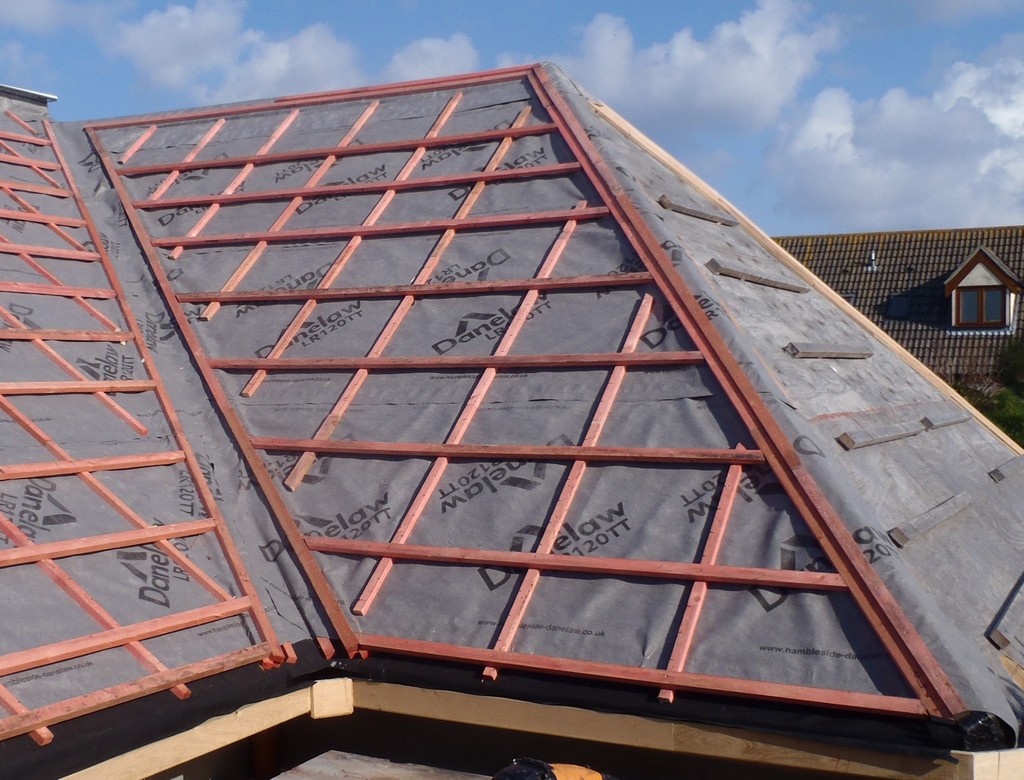
    The “A” roof is the largest section and it needs 55 rows of tile battens, each one being at least 10 metres long each. By the end of the 2 weeks, we have got that done with half the battens installed, but at least, we now have two sections rainwater proof.

    Roof-A-half-battened

    Roof-A-half-battened

    Roof-B-half-battened

    Roof-B-half-battened


    When it was raining or strongly forecast to be (which amounted to about 4 days in total), we got on with the operation of planing our Oak timber to make the decorative Octagon shaped ‘pillar’ that stands on each side of each window. We had sliced wider planks in half with a 45degree cut and we had thought that we weren’t going to get very thick finished pieces because there seems to be lots of patches of “dips” and “bulges”. We did actually reject about ten planks anyway and got replacement ones from storage. We learnt a valuable lesson about Oak timber (well any timber!) and how random and natural they are!
    We ended up with 54 finished, all 20mm thick after planing . Half are the slightly wider ones for the front facing piece and another 27 smaller ones for the angled piece going into the window frame.
    Oak-window-octagon-parts-planed

    Oak-window-octagon-parts-planed

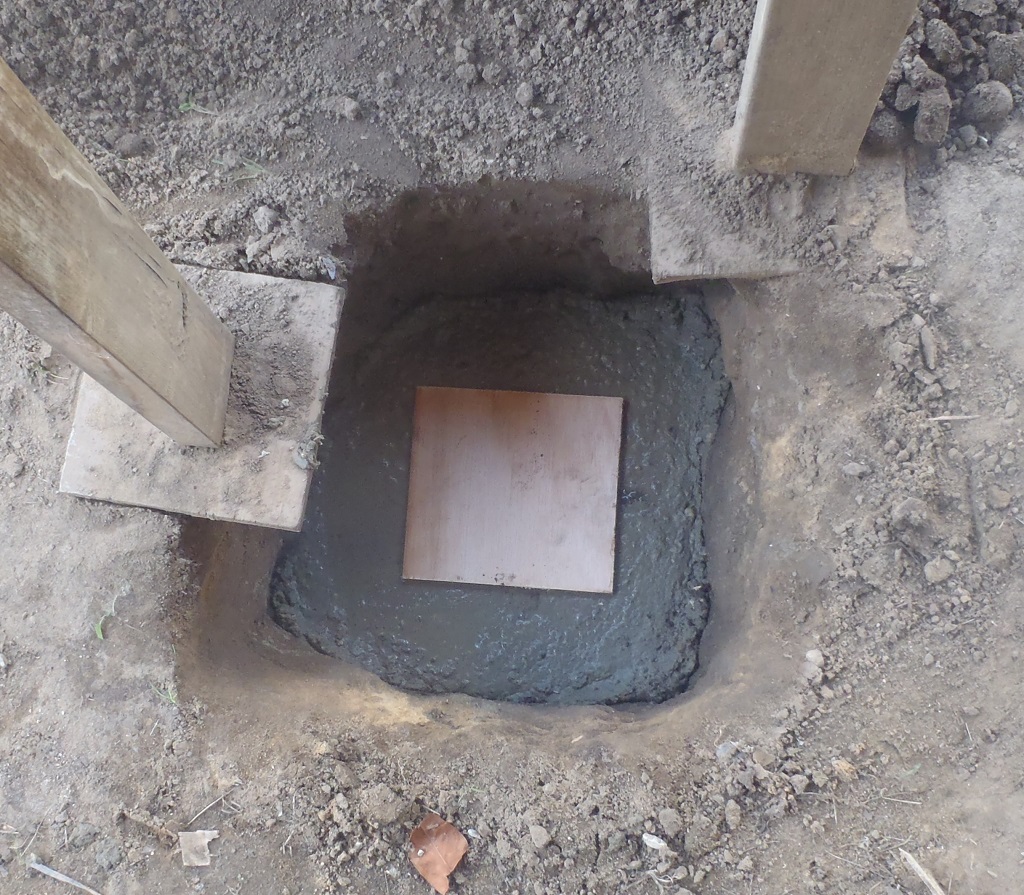
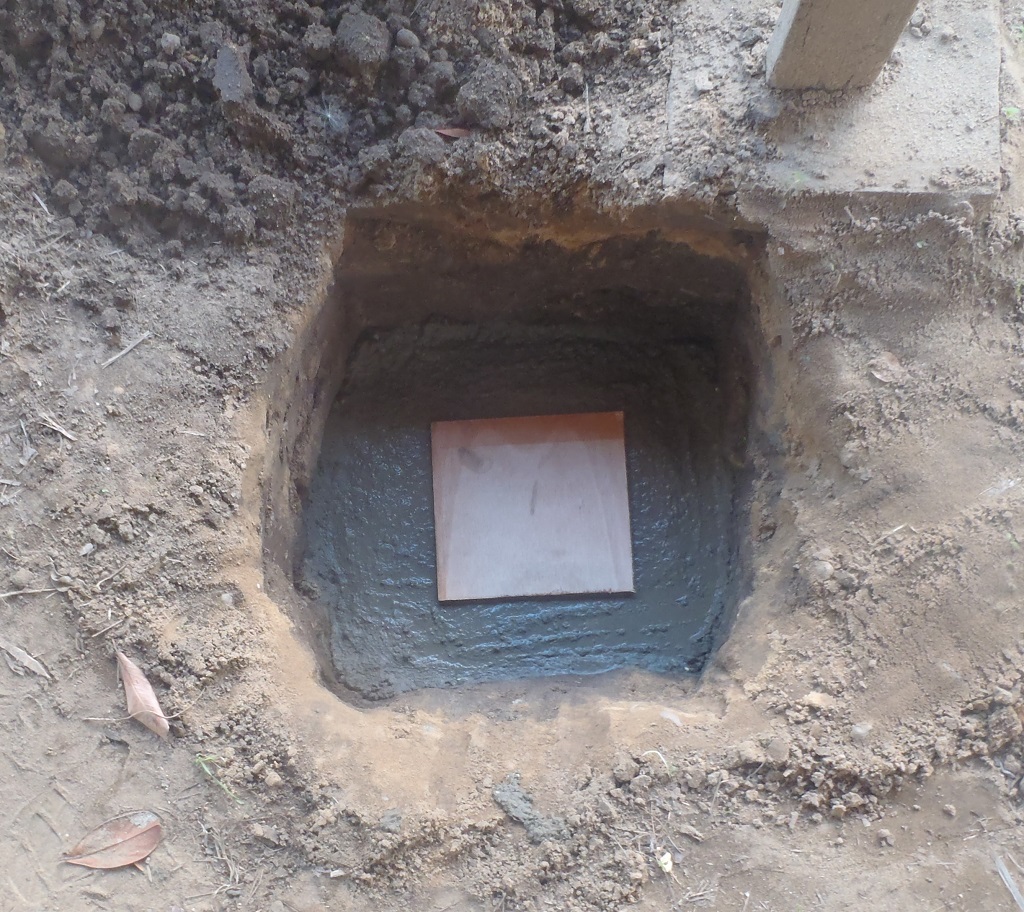
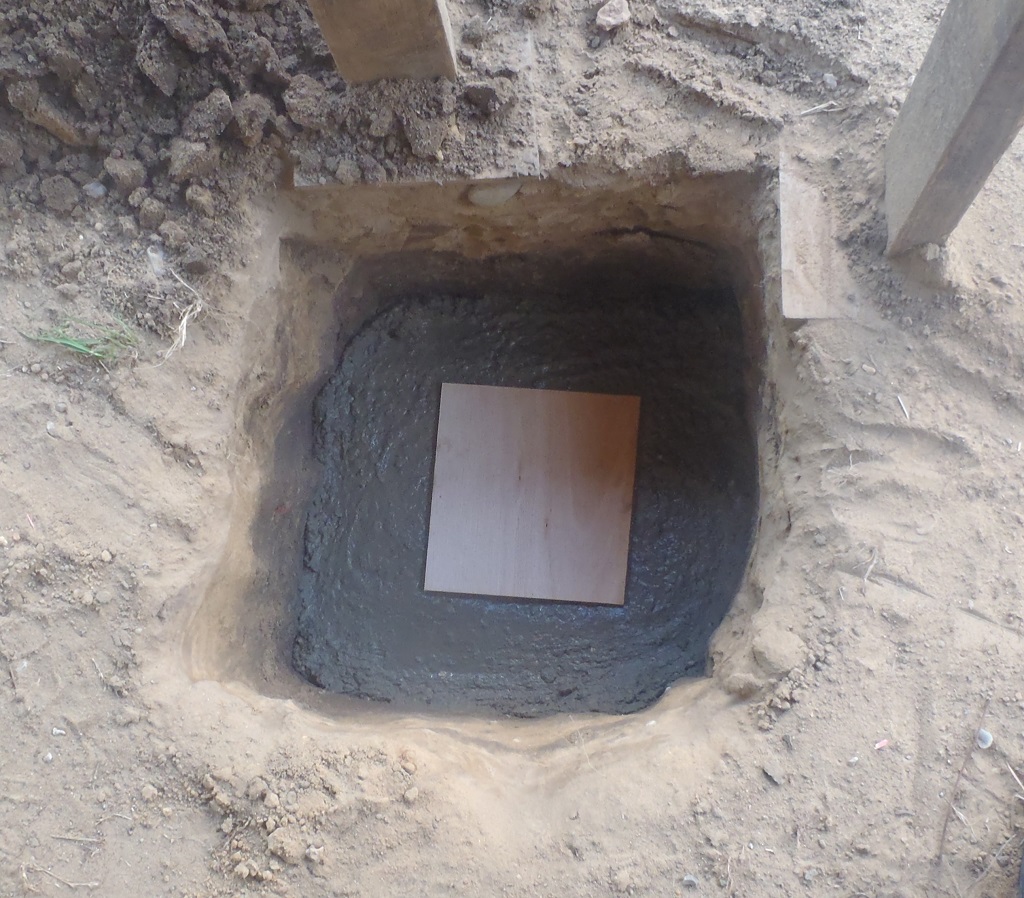
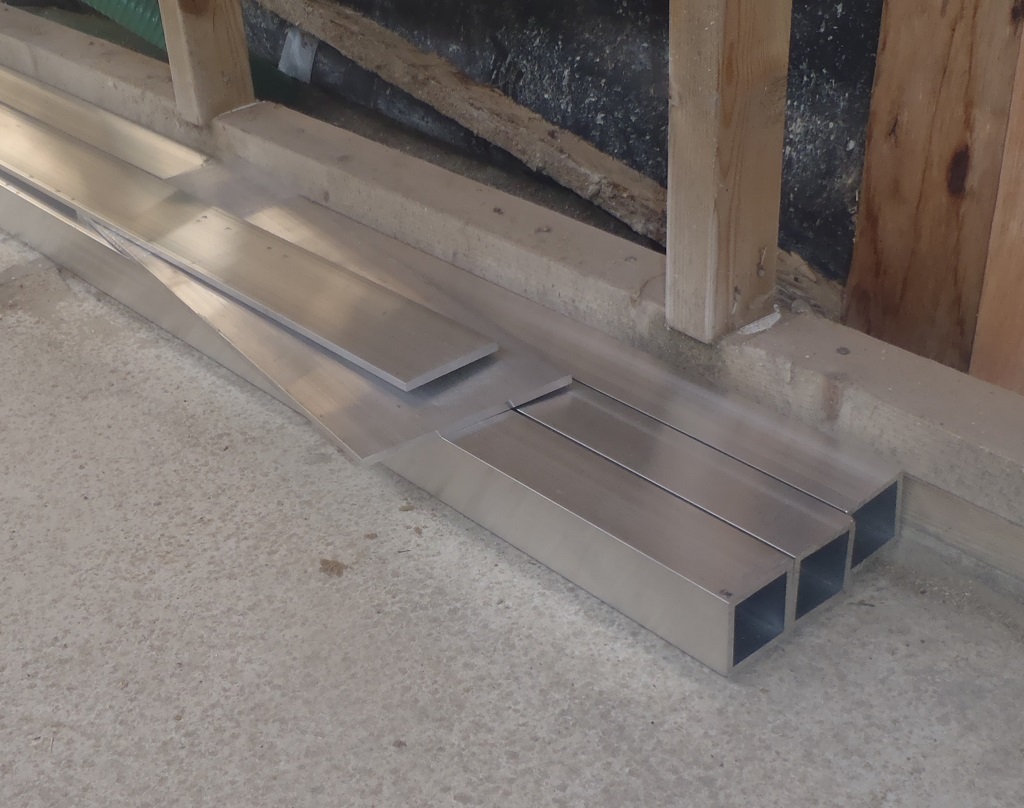
    After the gutter rubber was installed we noticed that water collected in the front porch gutter i.e. the ‘C’ gutter, It was over 20mm deep before starting to flow away. This shows that the temporary legs we installed when we built the porch are not supporting the roof properly. We need to install proper support before loading hundreds of kilos of slates on the roof! We need strong legs which will stand up to being bashed by materials moving around, so we decided to use metal posts. As the posts go into the ground we wanted rust proof ones, we started looking at stainless steel and even got as far as trying to order some but the supplier did not deliver to our location. Whilst searching for other suppliers we looked at aluminium (which is as strong as Stainless steel) and found it was half the price of stainless so we bought Aluminium instead. The post will be 50mm square hollow tubes with 4mm thick walls with 6mm thick plates at the top and bottom. The final task of this period of work, was to dig three holes at the spots where the metal posts will go. The holes were dug down 450mm to the standard frost level point and concrete was poured in to form solid pads about 450mm square and 150mm thick. The metal posts will then stand on these pads and stretch up to connect to the framework forming the porch, about 3.2metres high.

    1st-Hole-for-prch-post

    1st-Hole-for-prch-post

    2nd-Hole-for-prch-post

    2nd-Hole-for-prch-post

    3rd-Hole-for-prch-post

    3rd-Hole-for-prch-post

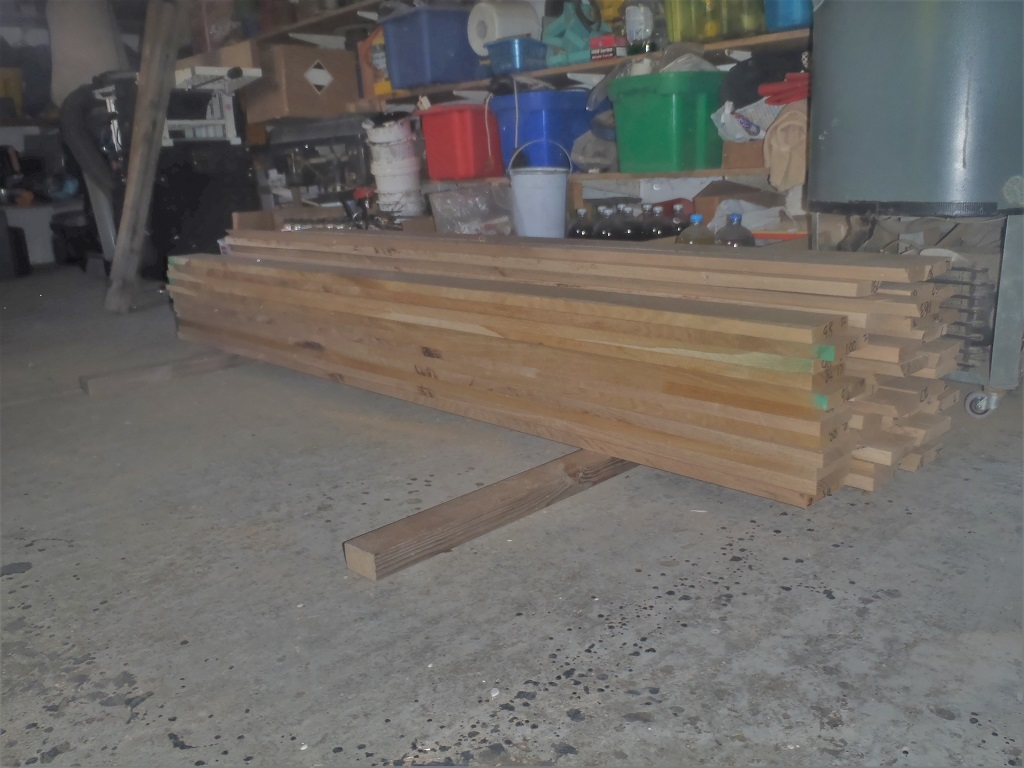
    Aluminium-ready-for-porch-posts

    Aluminium-ready-for-porch-posts


    Next week, we will carry on installing all the other half of the wooden battens for “A” and “B” roof sections while we wait for the concrete to cure and strengthen and start putting up Slates, firstly to finish off the last little bit of the “P” and around onto to “A”.

  • Gutters Installed but also more Site Clearance done too

    It was another week of a mixed bag of jobs and tasks, but we made progress on the guttering, oak planks for our windows and did some site clearance too.
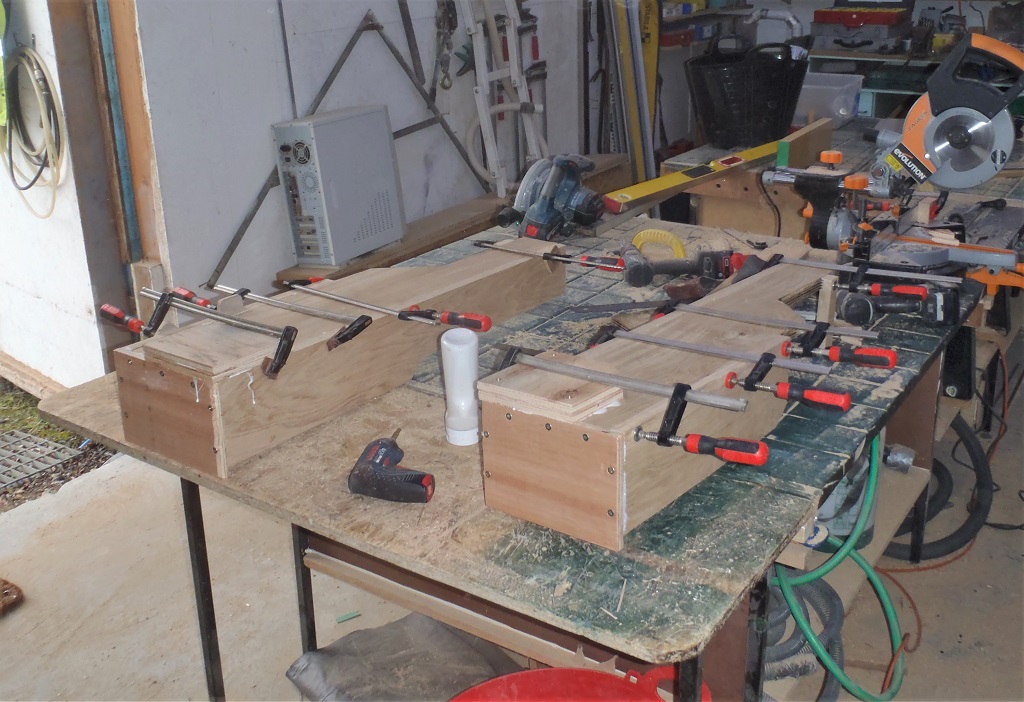
    The first job of the week was to correct a problem with our Downpipe channels where the bottom base board had warped. We basically clamped it back together again and then drilled pilot holes and screwed in five stainless screws on each edge. We did this minor operation on the A-B and D-E Downpipe Channels (these are either sides of the front door porch).

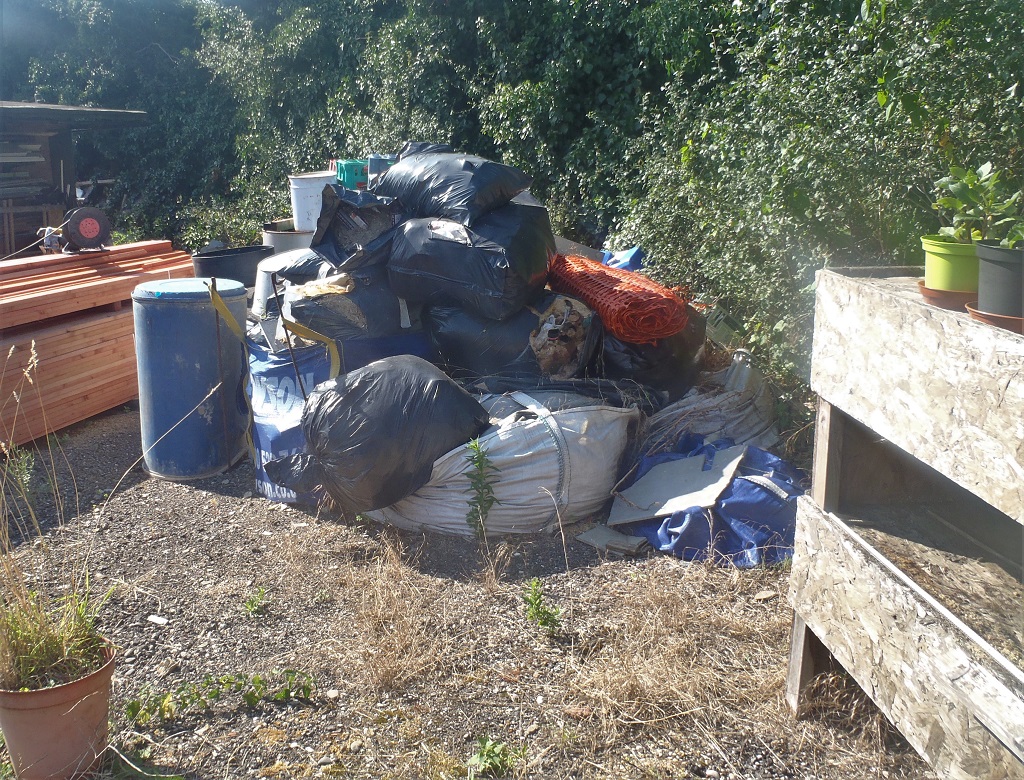
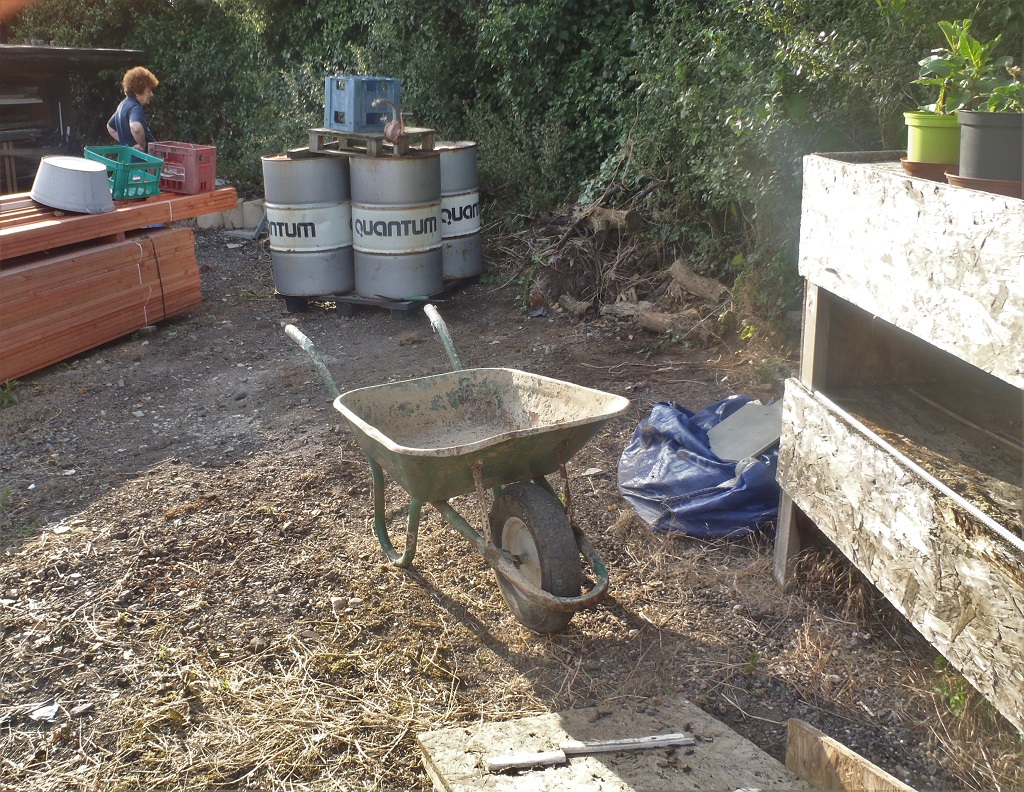
    Then our skip arrived and we got on loading that instead. We started to cleared away a pile of rubble and rubbish that has been accumulating over the last few years, we found the skip we order was not big enough.

    The-rubbish-heap

    The-rubbish-heap


    With a slight delay to the work on Tuesday, we got on with the job of installing the Guttering, putting eight oak pieces for the base of the gutters and another eight front pieces, including two angled blocks for each of the Downpipe Channels. This took us several days to complete, spread across the week (about 3 days in total), with some rainy weather interruptions too.

    On Wednesday, saw the arrival of our second skip and we did a little bit of clearance before the rain arrived as forecasted. So we retired to our workshop to resume the task of slicing one good straight edge to all our 27mm thick oak planks. Next we entered all these planks and their minimum width measurement into our spreadsheet. It turned out to be eighty planks in total that we have been processing. After analysis, we put back all the planks that were 180mm and wider, back to our external storage racks. Also took back those ones that had bigger knots in the middle plus a half a dozen width from 100mm to 150mm, all to the storage racks too.

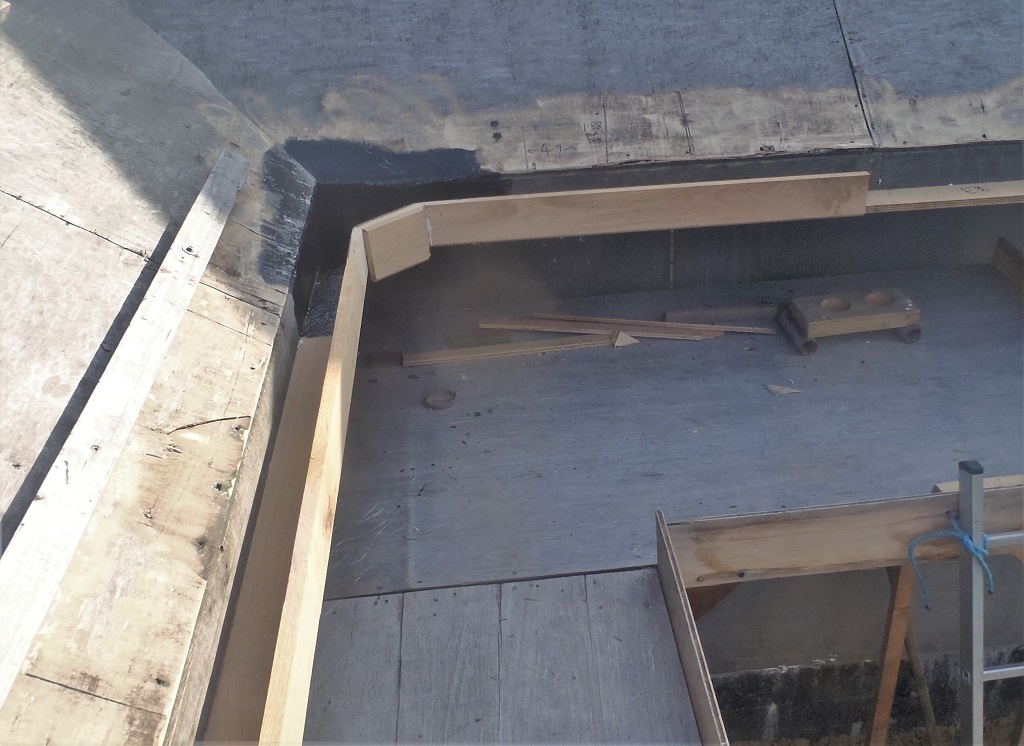
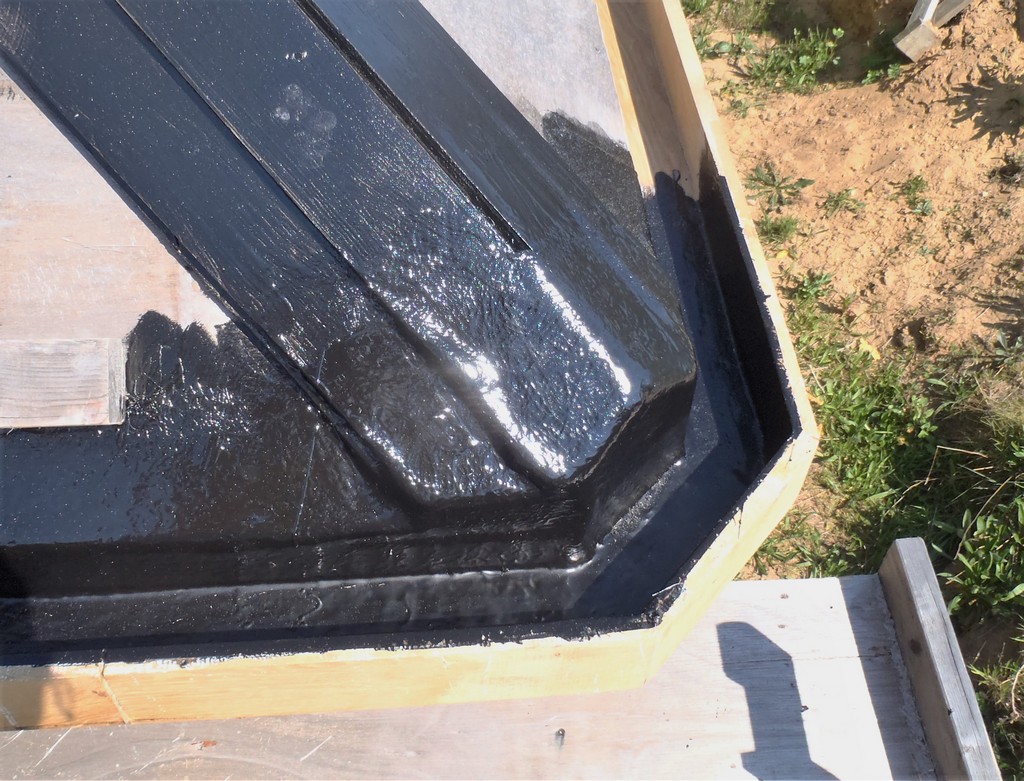
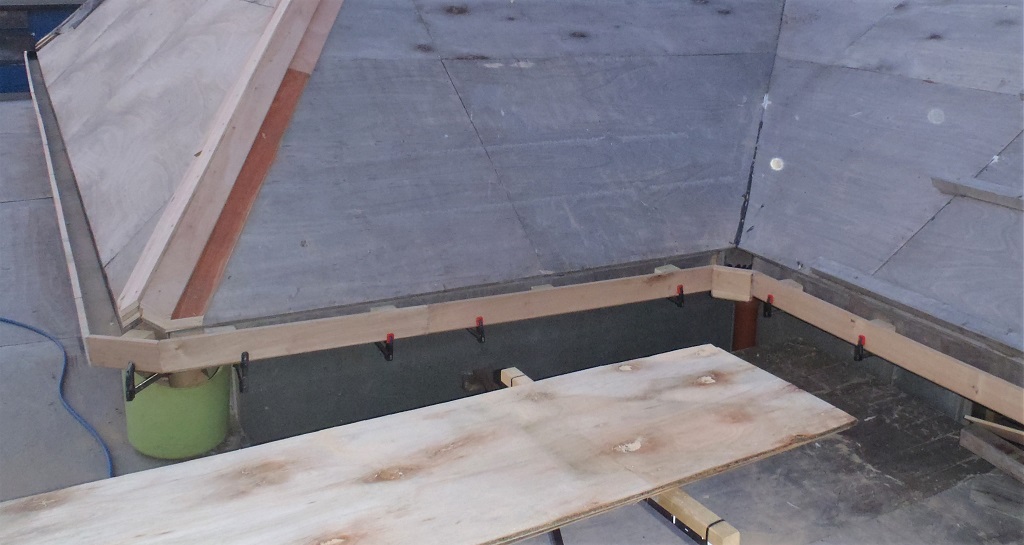
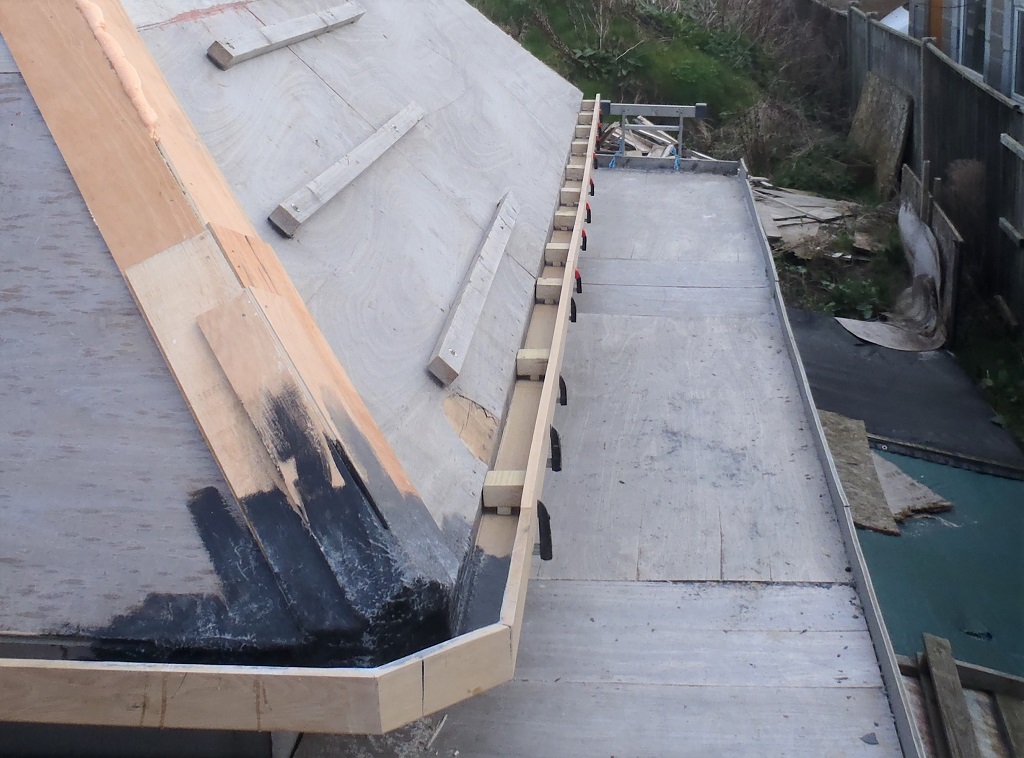
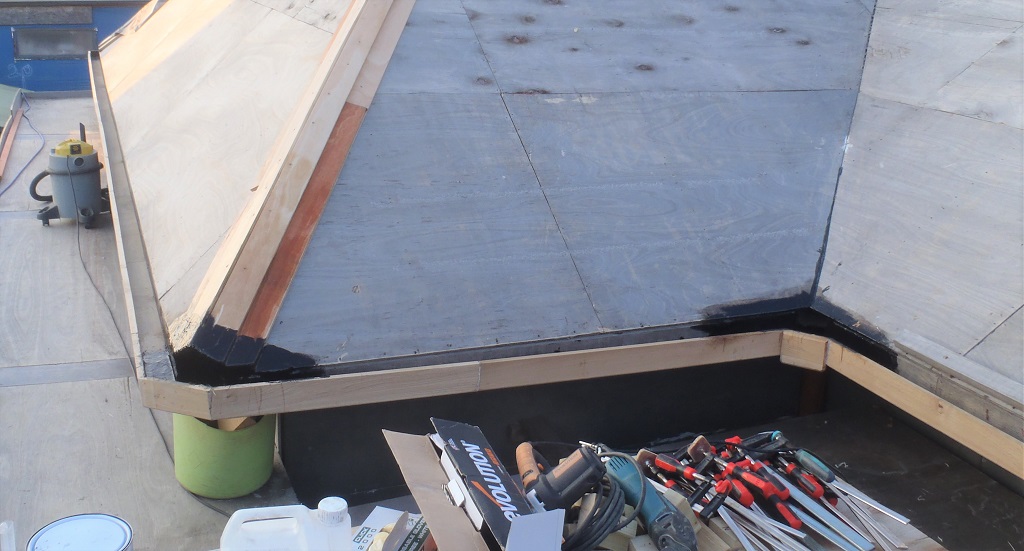
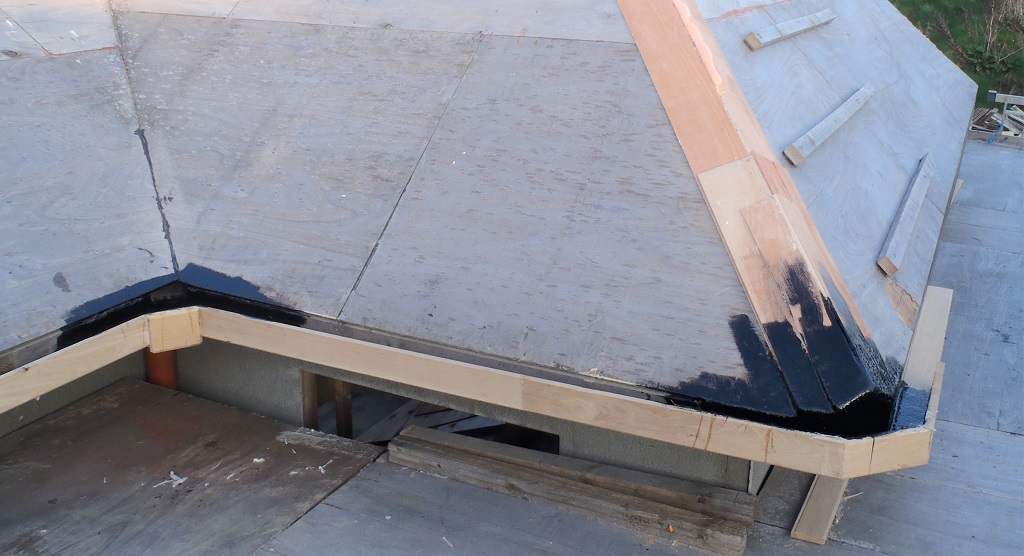
    So Saturday, after we had finished gluing the gutters (Thursday afternoon and all day Friday), all along the “A”, “B”, “C”, “D” and a third of the “E” sections of the roof, we proceeded to fibre-glass and resin the two Downpipe Channels and the two outer corners (B-C and C-D) with our usual black coating, ready for the rubber membrane to come in. Also all the excess glue that had bubbled out, both inside and outside of the guttering, was removed and sanded smooth.

    A-gutter

    A-gutter

    AB-and-BC-Corners-fibreglassed

    AB-and-BC-Corners-fibreglassed

    C-Gutter

    C-Gutter

    DE-Corner-fibreglassed

    DE-Corner-fibreglassed


    The last job of the day, and week, was to fill up our second skip with the remainder of the rubbish and clear away unwanted sacks of shredded plant material too.
    The-Heap-is-gone

    The-Heap-is-gone


    Next week, we can start on putting the rubber membrane into the guttering, which will lead us to start putting up the roofing breathable membrane and wooden battens, ready for the slates – Hurray!

  • Gutters and Downpipe Channels Installed for all P and Q and the first Third of A.

    The last two days of the week (Friday and Saturday) were nice days so we got on with installing the two Downpipe Channel modules for the P-Q valley that forms part of the extension part of the building for the Conservatory coming in the future.

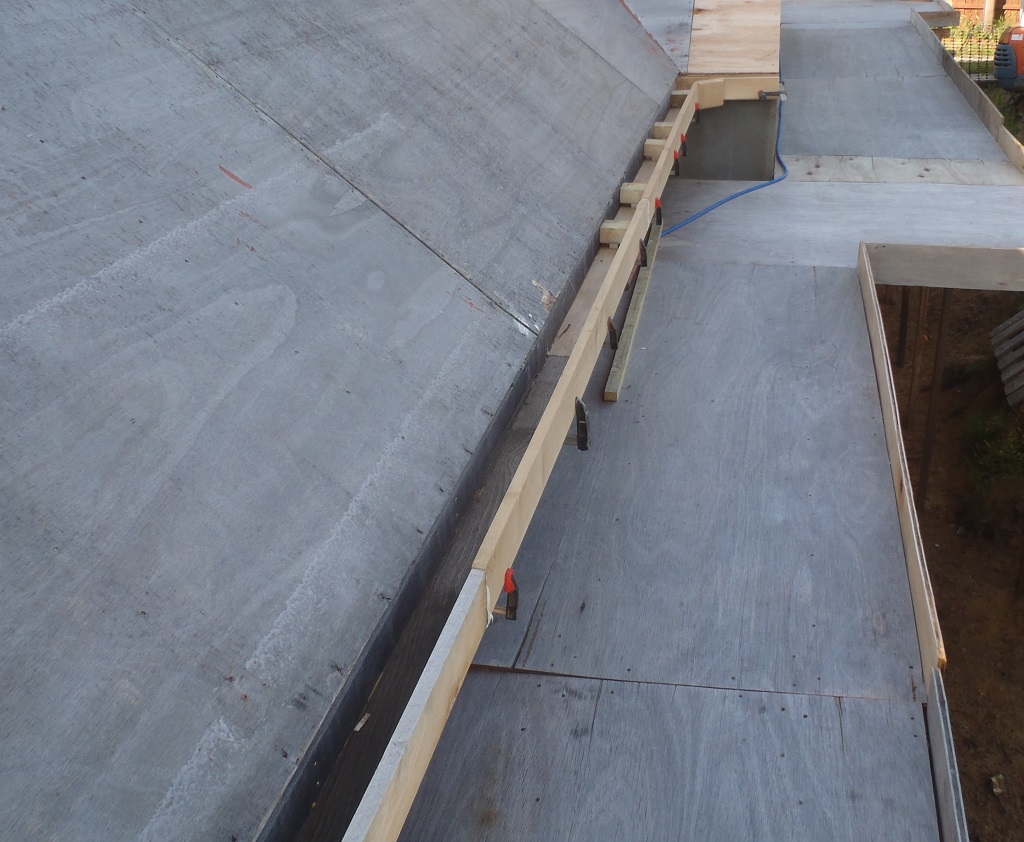
    Then we got all the guttering done, for all the P (first section and second section either side of the Q conservatory) and the first third of the A section along the front of the house.

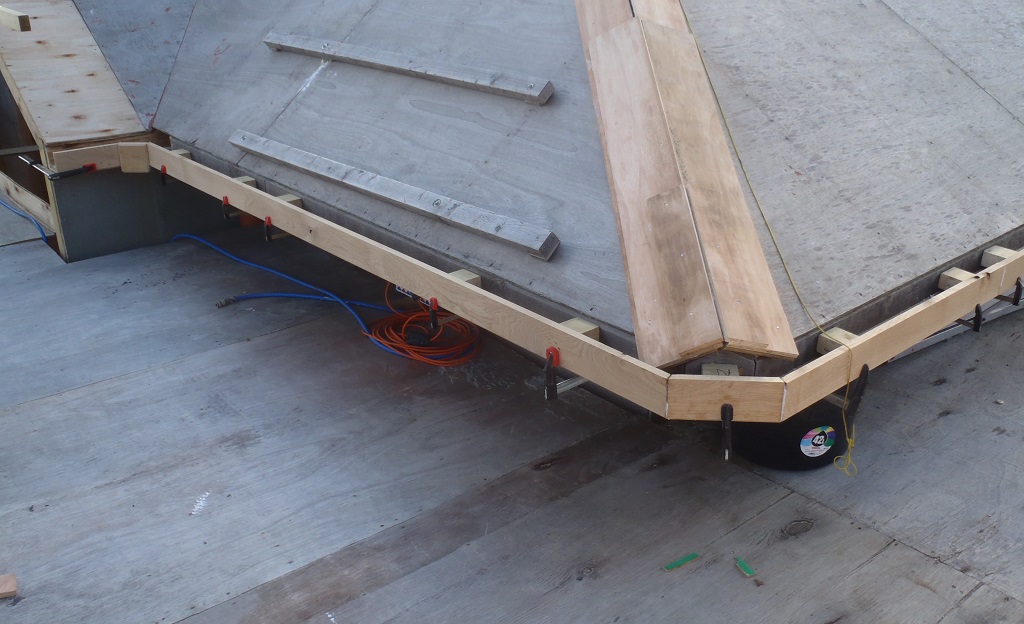
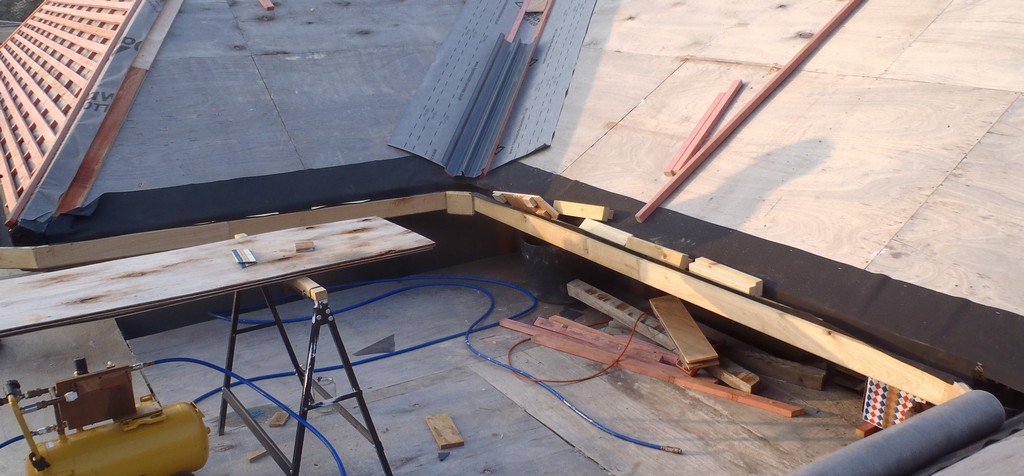
    Finally, we got the layers of the plywood strips installed for the p-A Hip corner of the roof so we could fibre glass all the complicated junctions and corners.

    Gutters and Downpipe Channels Installed for all P and Q and the first Third of A.

    Gutter-on-P1

    Gutters and Downpipe Channels Installed for all P and Q and the first Third of A.

    Gutter-and-hip-on-P2-and-start-of-A


    So on Monday (weather permitting) we can fibre-glass these junctions and have them all sealed, ready for the rubber membrane to go on along the two P small sections.

  • Gable Roof Extended, Two Downpipe Channels Created and Resumed Preparing the P Section of Roof

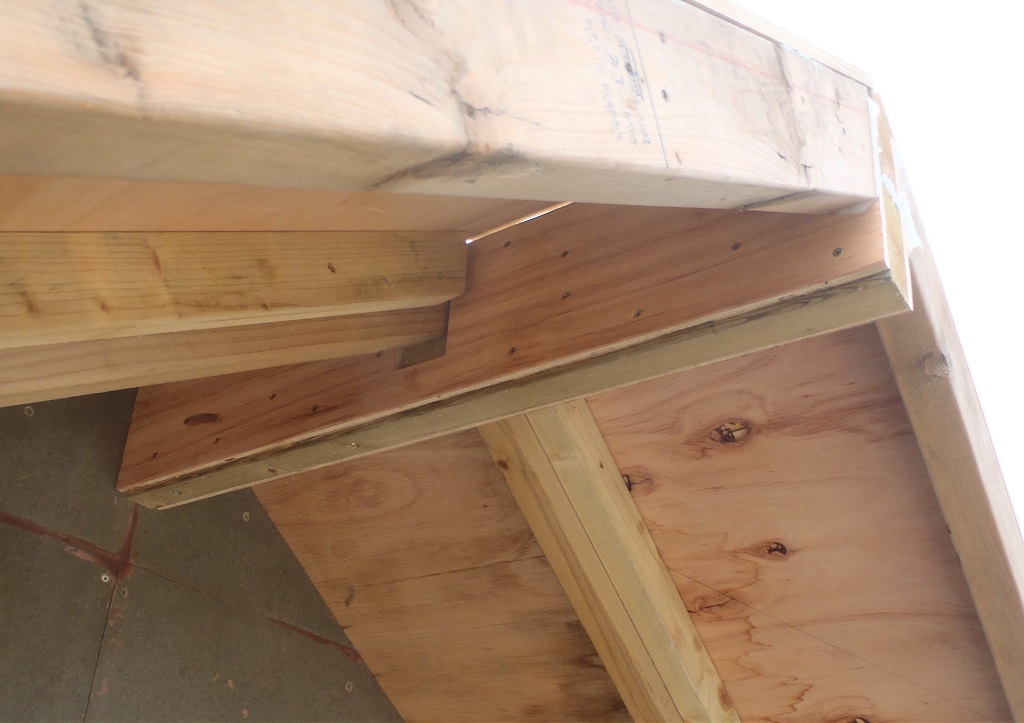
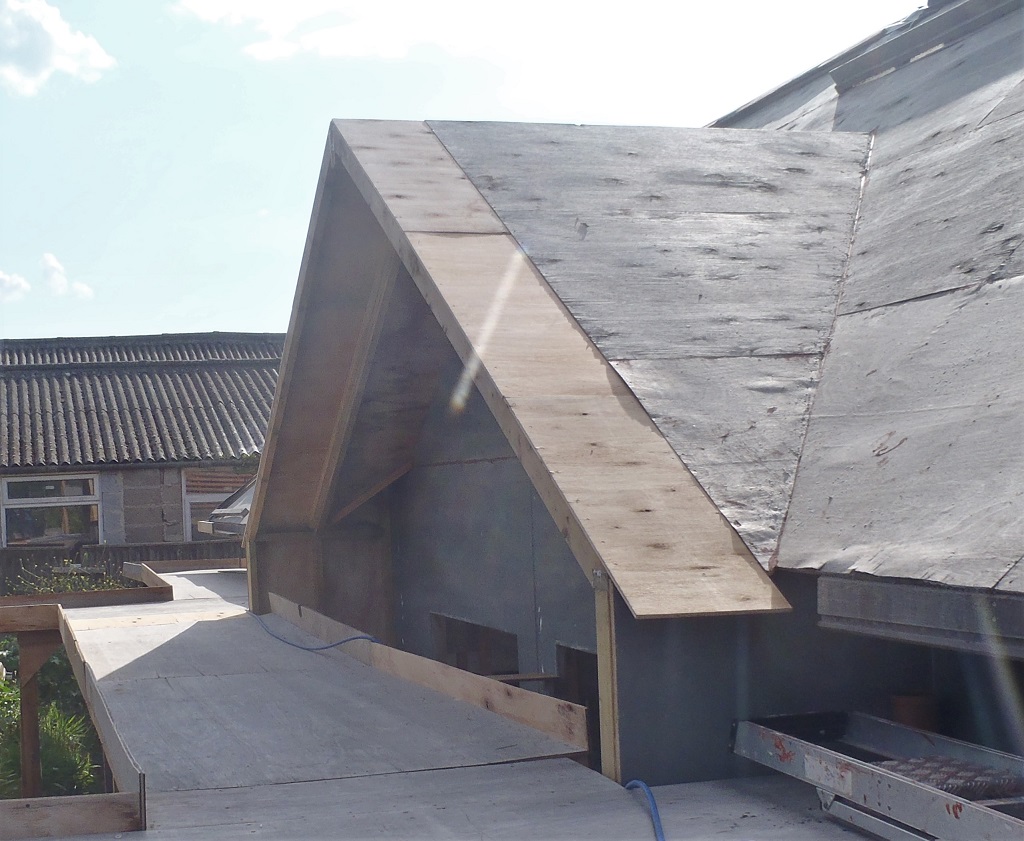
    On Monday, we extended the existing Gable section of the roof that will form part of the Conservatory. Using the new stud walls built last week, we put up a 420mm extension to the ridge beam to make a sum total of 910mm (3feet). This new ridge was sandwiched between two layers of our structural 12mm plywood, glued and screwed together with a second full single length of 95mm by 45mm treated timber underneath to reinforce the extension.

    Gable Roof Extended, Two Downpipe Channels Created and Resumed Preparing the P Section of Roof

    Extension-of-Q-ridge


    Then a couple of CLS 63mm timber pieces were fixed to the long diagonal rafters to provide support for the new roof boards and two fresh lengths of 4by2 timber cut to form the outer rafters of the new extended roof.
    The narrow strip was covered with more 12mm plywood segments and it is now ready for the next stage of counter battens and the breathable membrane to be put up.
    Gable Roof Extended, Two Downpipe Channels Created and Resumed Preparing the P Section of Roof

    Extended-Q-roof


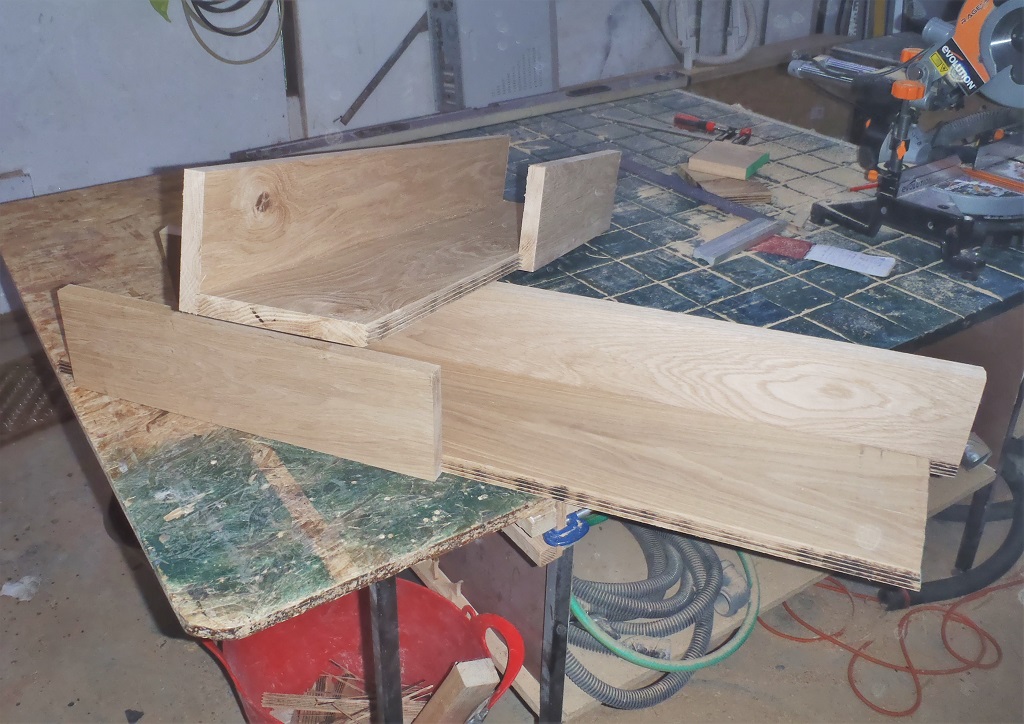
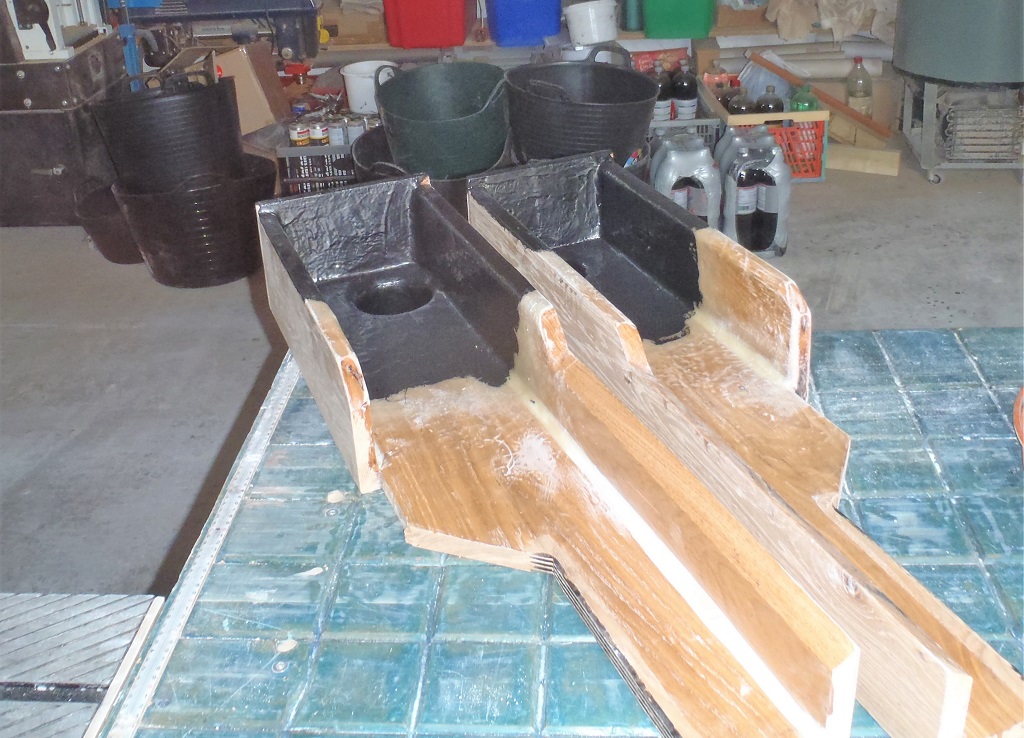
    Tuesday through to Saturday morning was spent working on two new Downpipe Channels to connect to the gutters and to the future Conservatory. We carefully measured each position of each channel module (PQ-1 and PQ-2) and then pulled out a couple of planks of Oak timber, 27mm thick but one plank being 150mm wide and the other being 250mm wide. We also had a couple of left-over pieces already planed from a previous job. These forms the two sides and the wider bottom pieces of the channel module.
    All was planed and cut to width.
    Gable Roof Extended, Two Downpipe Channels Created and Resumed Preparing the P Section of Roof

    Start-of-Q-Downpipe-Channels


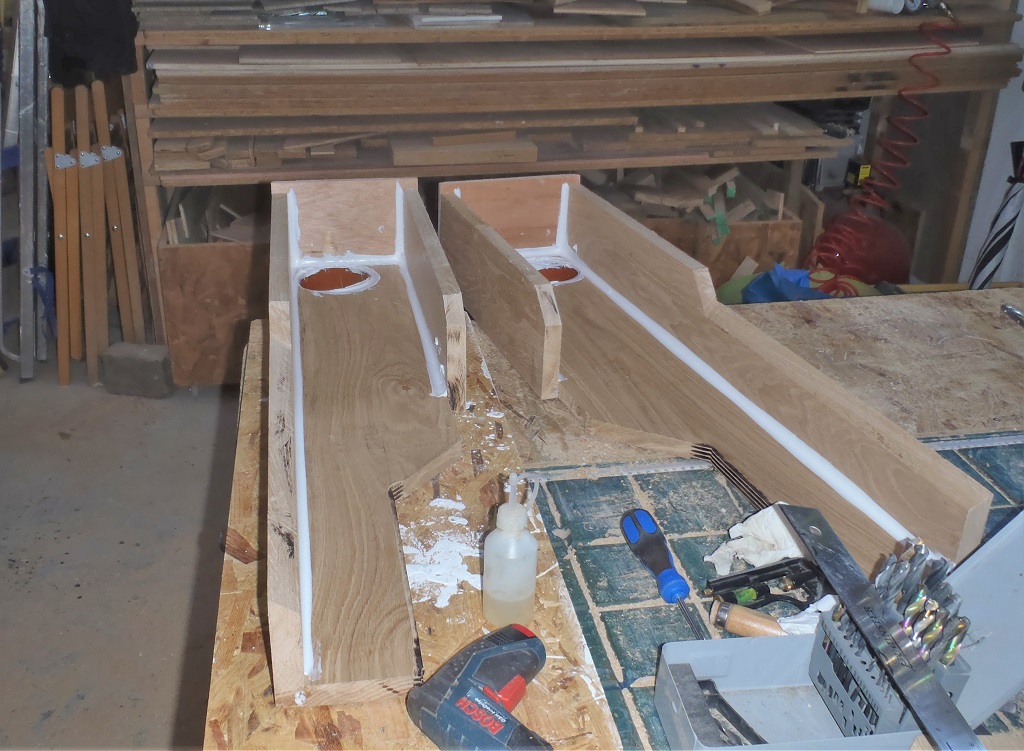
    The next job was to put on the tongue & groove edges to join the pieces together and using a PU glue, formed a very strong joint and a much more robust module. The two sides were shaped in a particular fashion so they will slide in and under the overhanging roof boards of the “Q” conservatory roof.
    Gable Roof Extended, Two Downpipe Channels Created and Resumed Preparing the P Section of Roof

    Q-Downpipe-Channels-Glued


    Another gluing job was to stick on two layers of 12mm plywood squares (150mm across) and stick them under the modules in the position where the plastic drain pipe will come through. After they had set, we drilled a 114mm diameter hole through all the layers (22mm of Oak and the two layers of the 12mm plywood) and then glued in short lengths of drain pipe.
    Gable Roof Extended, Two Downpipe Channels Created and Resumed Preparing the P Section of Roof

    Q-Downpipe-Channels-with-Pipes-fitted


    While that was drying and curing, we went outside to resume work on putting up Slates on the narrow diagonal strip to finish off on the “N” section of the roof. We got half way up by the end of the day.
    Gable Roof Extended, Two Downpipe Channels Created and Resumed Preparing the P Section of Roof

    N-Nearly-done


    On the following day, we carried on working on the downpipe channels by cleaning up all the edges, especially the newly installed plastic pipe sticking through the bottom of the channels and then applied a coat of polyester resin and glass-fibre matting to fully waterproof these channels and provide a smooth surface for the rainwater to flow into the pipework. And finally on Saturday morning, we applied the black coloured top coat layer of resin to provide the slick surface and colour.
    Gable Roof Extended, Two Downpipe Channels Created and Resumed Preparing the P Section of Roof

    Q-Downpipe-Channels-ready-for-fitting


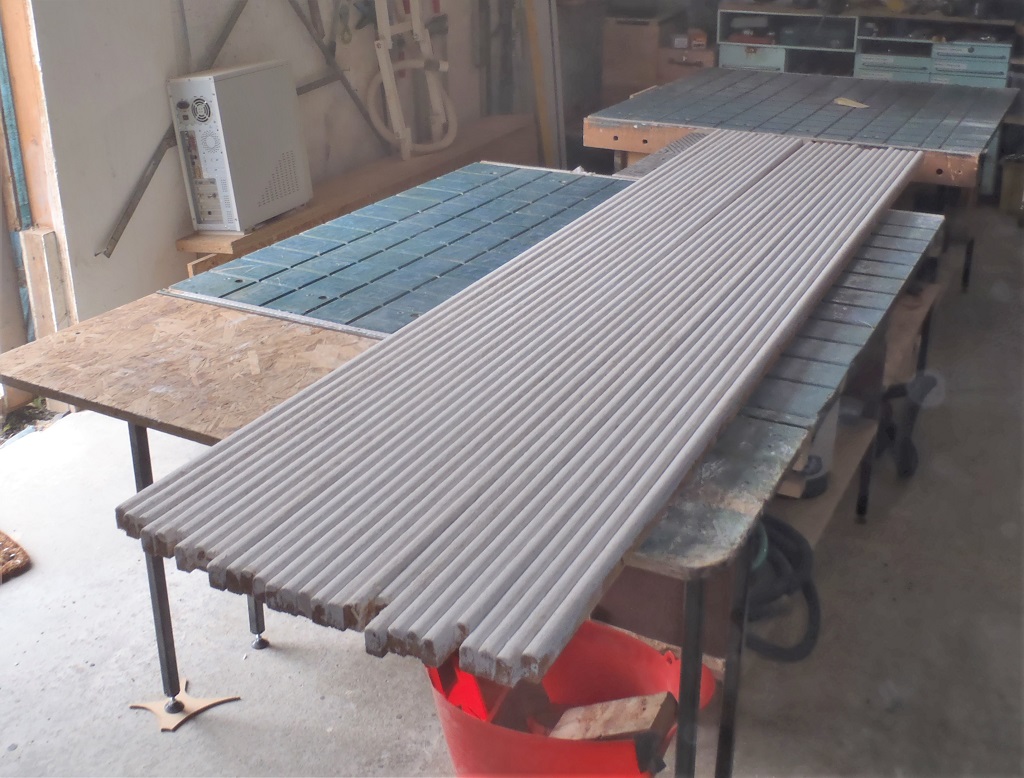
    While that was hardening, we brought in all the thin OSB strips that has a “bull-nose” on one edge. We discovered from the first time we used these strips to form a flashing waterproof barrier for the Hip and Ridge lines, that the resin soaked into the open grain of the material so we spent a hour or so applying Polyfilla to all of them to bulk fill these gaps.
    Gable Roof Extended, Two Downpipe Channels Created and Resumed Preparing the P Section of Roof

    Bullnose-Strips-filled


    We are in the middle of some very changeable and windy weather at the moment so we hope we can still proceed with our work. We have been lucky so far this year in general. Next week, we will install the new downpipe channels, put on the guttering and then start laying on the strips of roofing membranes all along “P” and the “Q” roof sections.

  • Section O Battened Up, Gutters Cleaned, Platforms All Tidied Up and Conservatory Stud Walls Started!

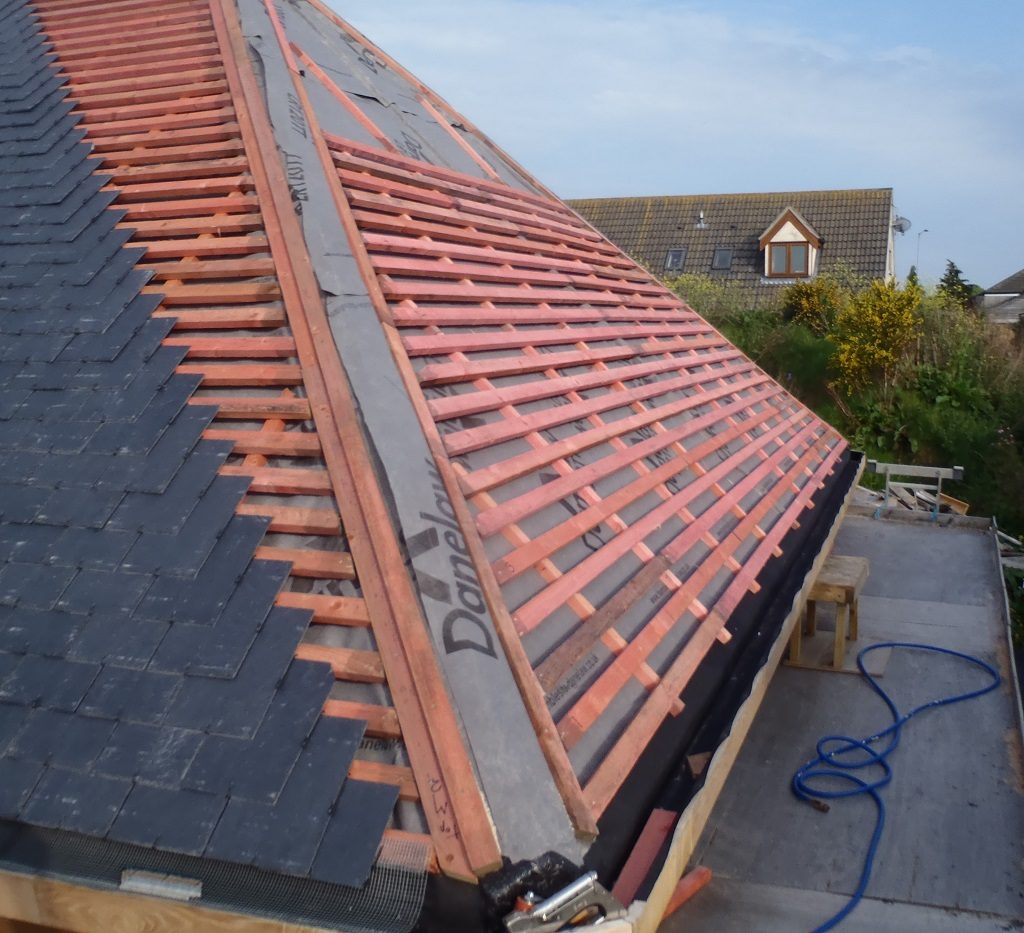
    Monday, we got on with the task of putting on the three strips of the breathable membrane across the O section, all held down by vertical counter battens.
    O-mostly-Battened

    O-mostly-Battened


    Then by Tuesday lunch time, we got all the horizontal tile battens nailed into place too.
    The remaining of the day was spent tidying up everything off the working platforms because we will have to move and adjust all our platform modules to go along the “P” section of the roof and around to the front of the building along the “A” section too.
    The reason we are doing this now, before we have completed the task of putting up the Slates on the last bit of N and all of O, is because we need to make our “bull-nose” fibre-glass and rubber flashing protection covers that goes along both diagonal hips (the N-O and O-P hips) plus also along the ridge line between the N and P rooves and we haven’t got the “P” section done at all. We need at least the breathable membrane strips in place so it can overlap at each boundary before the flashing battens can be put into place.
    This is why we are having to stop at this point and start work on the P roof.
    But .. ..
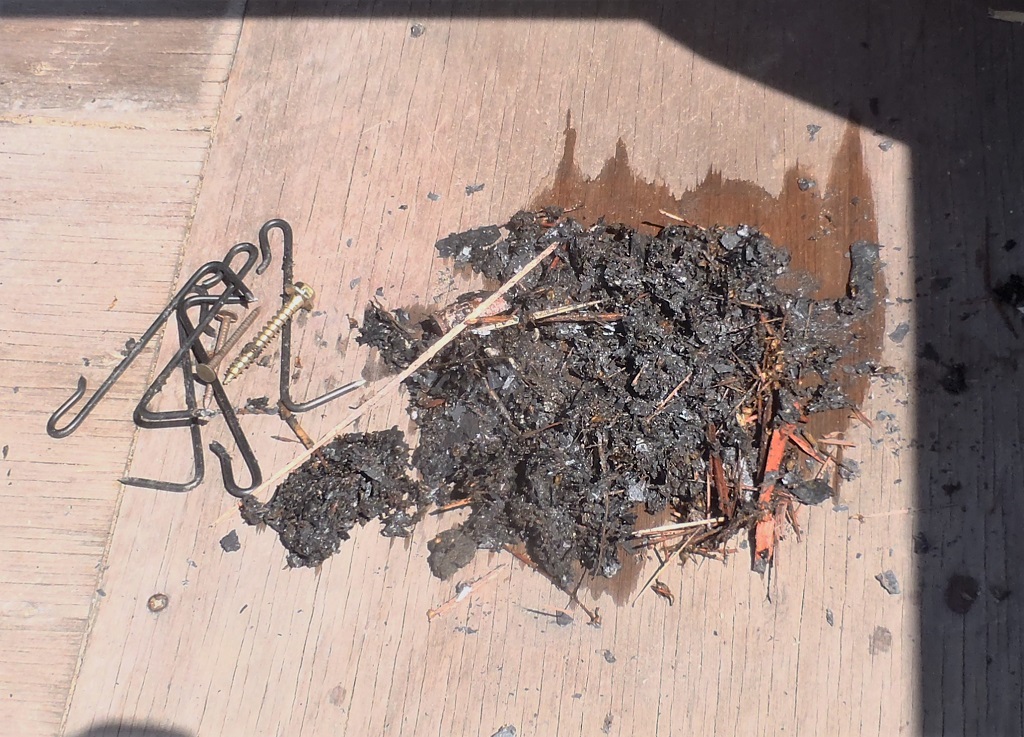
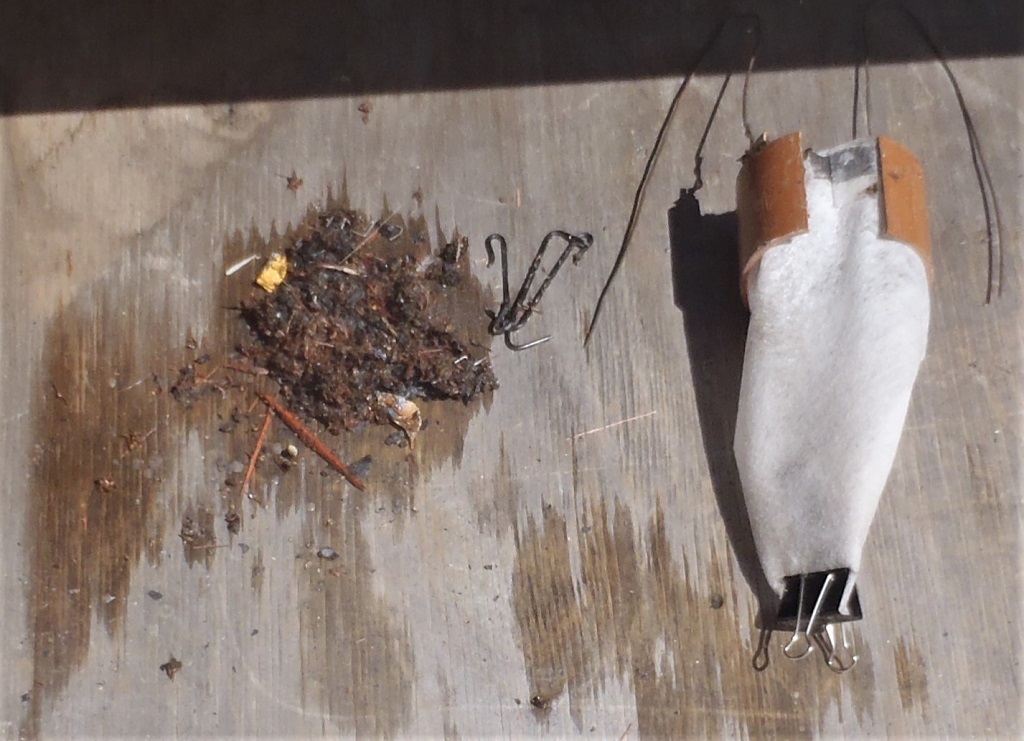
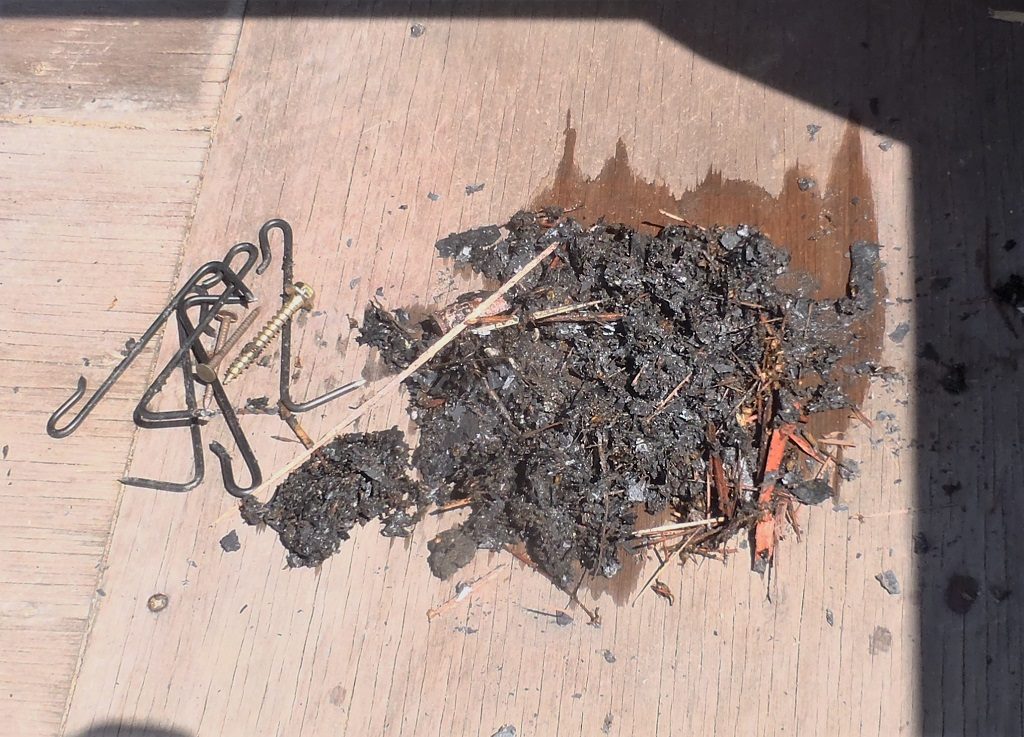
    On Wednesday, we realised that before we dismantled the platform modules, we took the opportunity of cleaning up the gutters, both inside and outside! There are loose nails, slate fragments and lots of wood splinters lying in the gutters, and also the joints still has the hardened glue sticking out in various places. So the morning was spent scraping and sanding the glue and smoothing the joints with chisels and sanding machines and then using a pressure washer, and a cloth filter plugged into the top of the downpipes at the back of the gutter channels, we blasted all the bits and pieces along.
    Debris-from-gutters
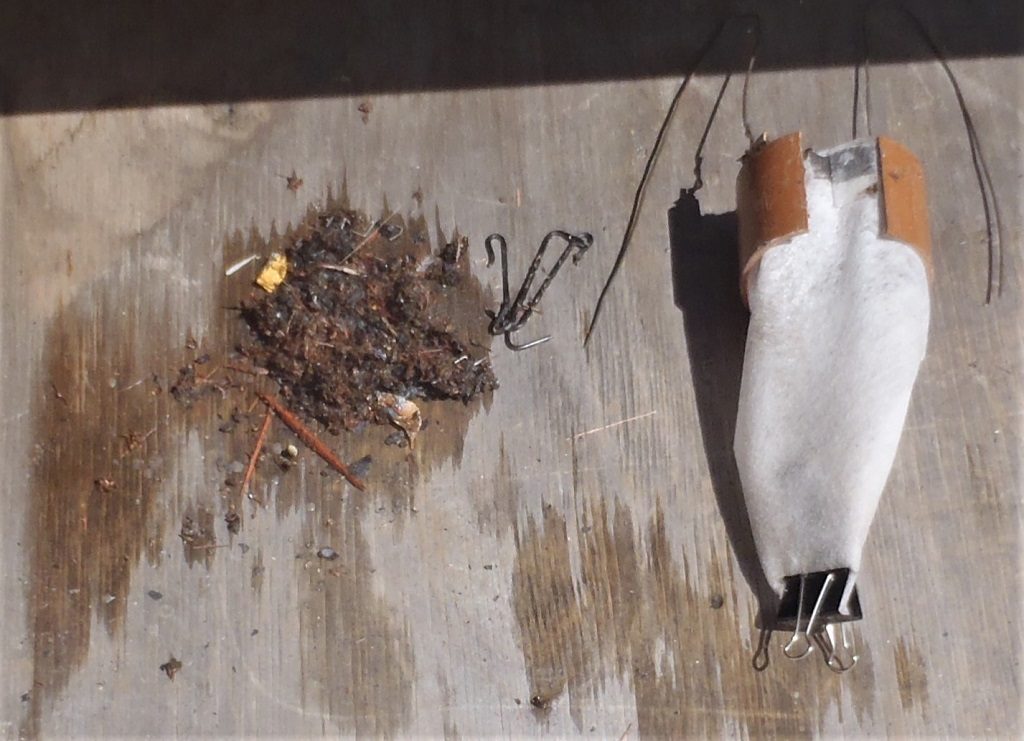
    Debris-from-gutters

    More-debris-and-Filter-unit

    More-debris-and-Filter-unit


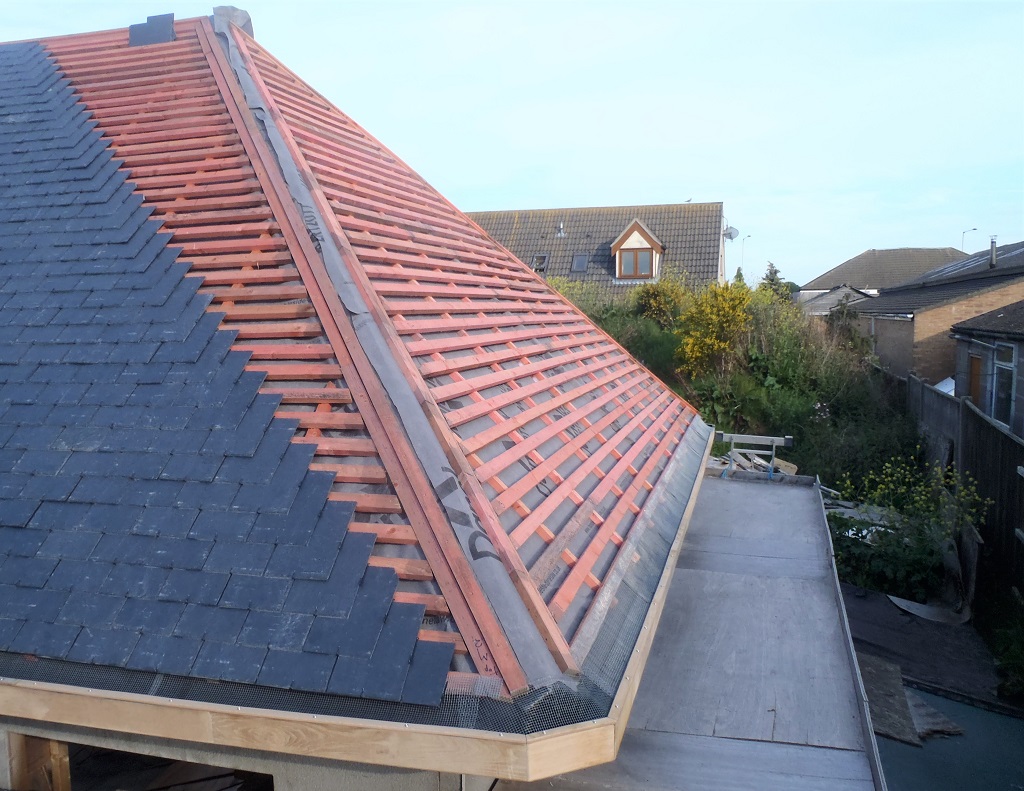
    In the afternoon, we also saw that we could finish off the metal mesh coverings over the gutters and screw down the oak “caps” to lock the mesh and rubber down. We also put in twice as many stainless steel dome head screws as previously to provide a stronger pressure and keep the cap tight down in more places.
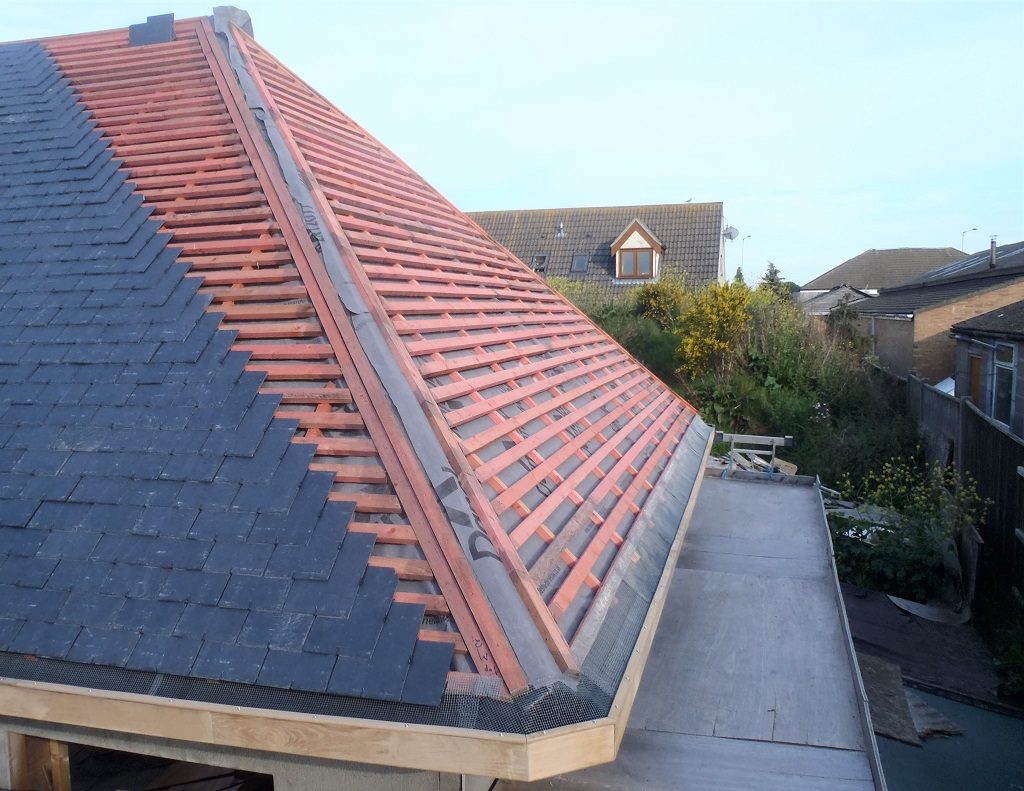
    O-Battened-and-gutter-mesh-installed

    O-Battened-and-gutter-mesh-installed


    And here’s the time lapse…

    Sooo that means we are ready to move the platforms around .. NOT!!
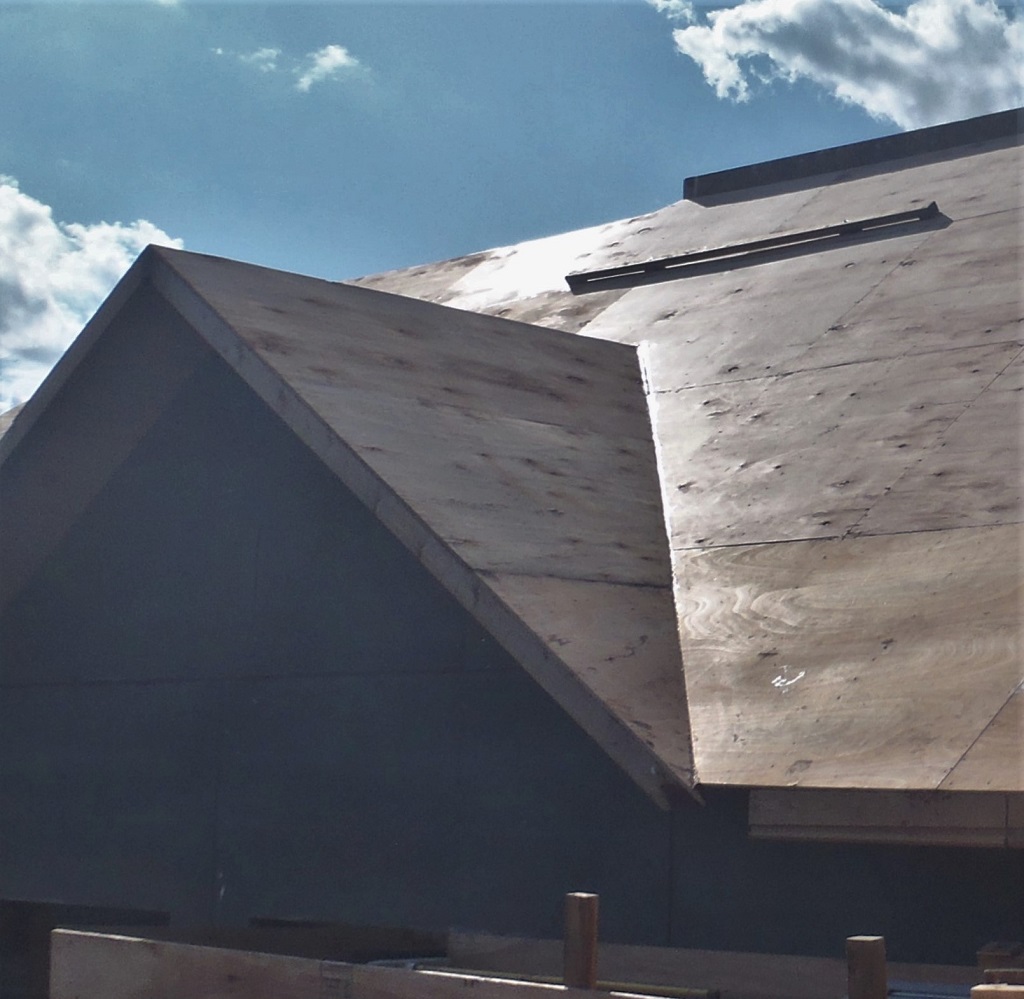
    Another realisation is to do with the design of the valley troughs (the fibre-glass modules) and the minimum required space and clearance its needed to do its job properly. Actually, we had realised this several weeks ago so we have been thinking on this problem to how to adjust the Conservatory gable end around on the “P” section of the roof.
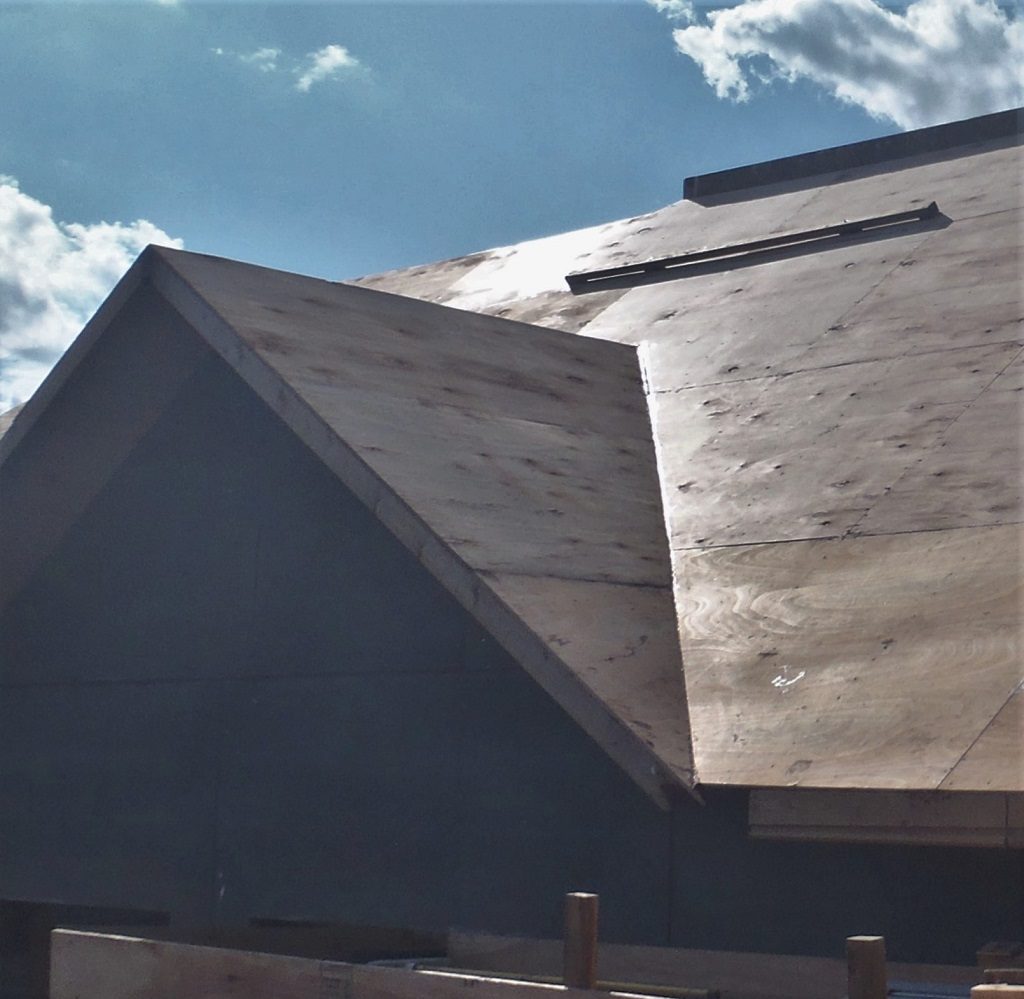
    Conservatory-gable

    Conservatory-gable


    We came to the conclusion that we needed to extend outwards the gable end another 300mm. Also it was felt that we really ought to build out the perpendicular stub walls that forms the start of the Conservatory and will fully support the sticking out section of roof, especially loaded with the extra Slates.
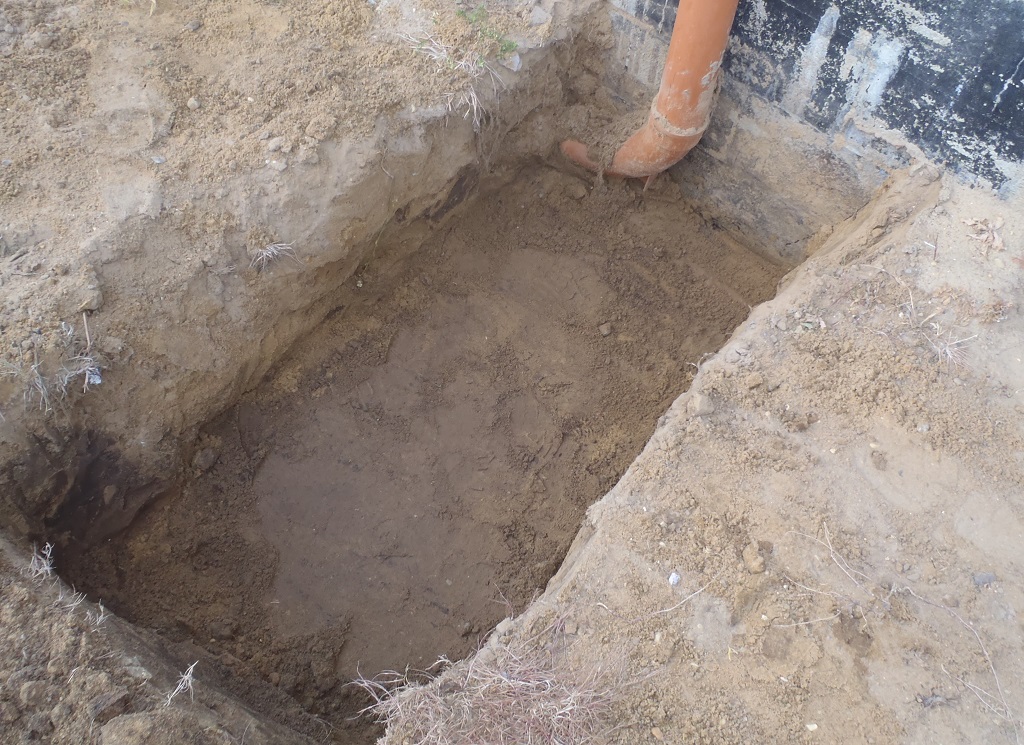
    So Thursday and Friday, we dug out two trenches on both sides of the position of the Conservatory’s walls, removed the plastic rainwater pipes and the sand was compacted using a thumper and levelled off.
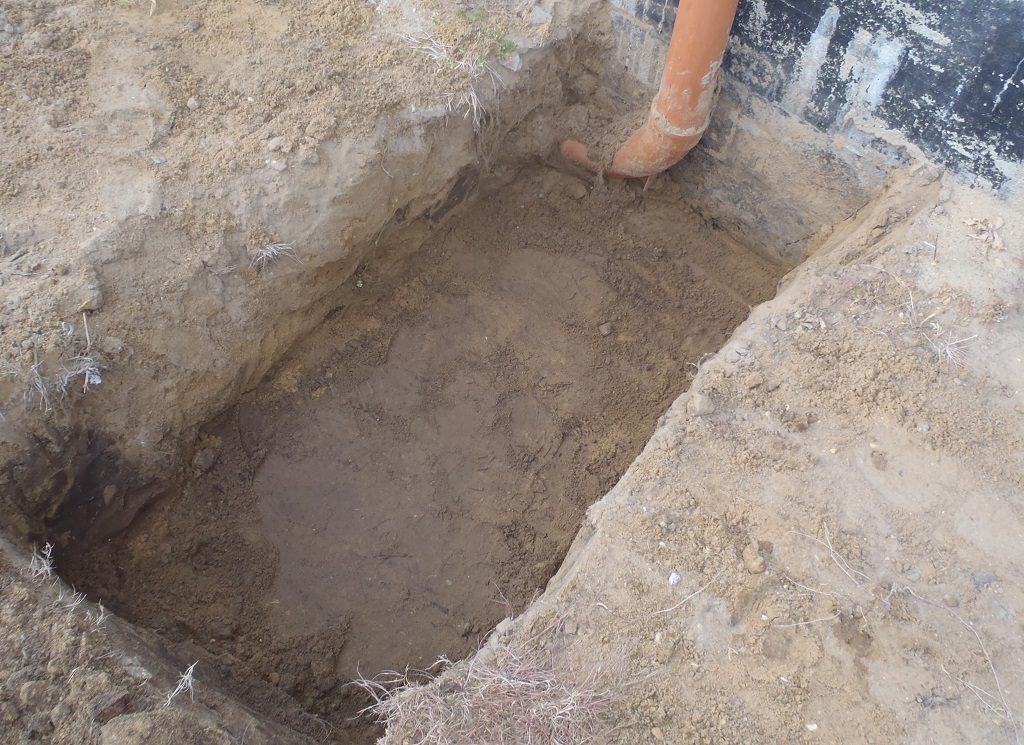
    Conservatory-Hole-dug-for-foundation

    Conservatory-Hole-dug-for-foundation


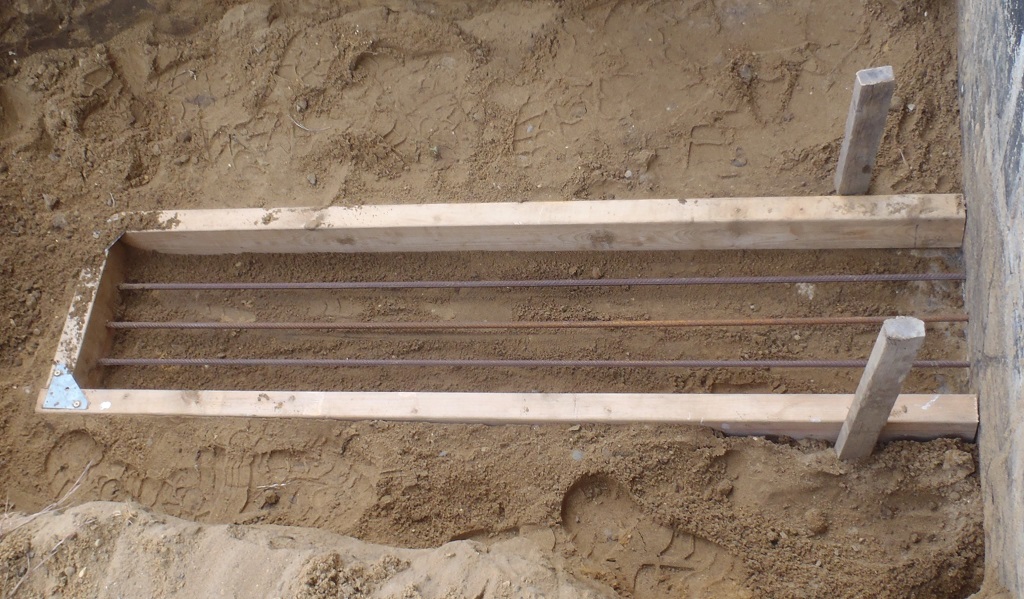
    We constructed rectangular frames to hold the concrete that will form the foundations. Then we put in three reinforcing bars in each framework (holes through the narrow wooden end and holes in the concrete blocks of the main wall). This will both help strengthen the foundation but also provide a connection point when we come to do the rest of the Conservatory later on. These foundations are only 1500mm and 1700mm long strips as we couldn’t go any further without going into our massive mountain of sand and soil we got piled up at the top of the garden!
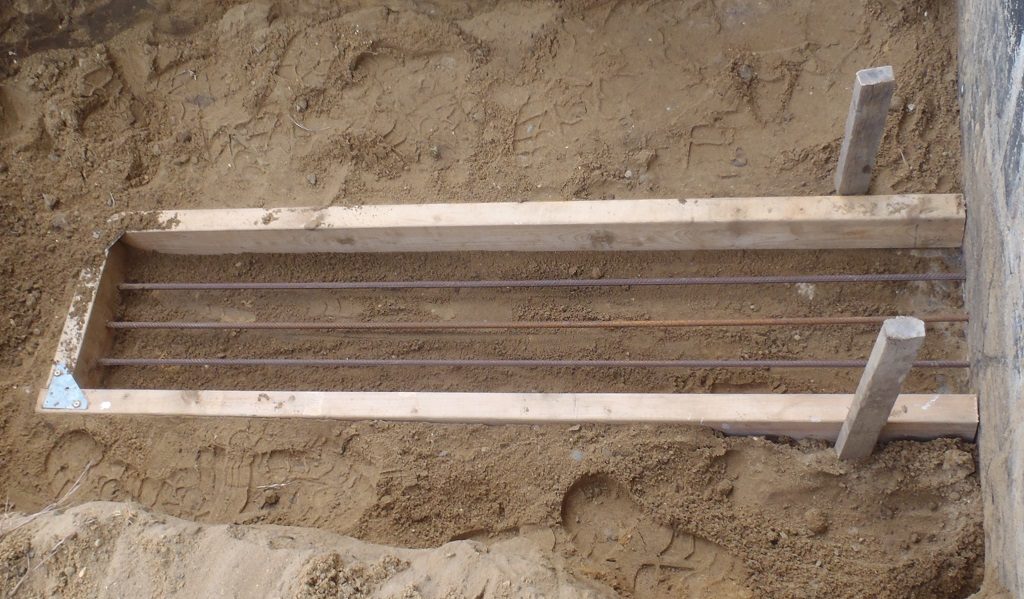
    Conservatory-Foundation-shuttering

    Conservatory-Foundation-shuttering


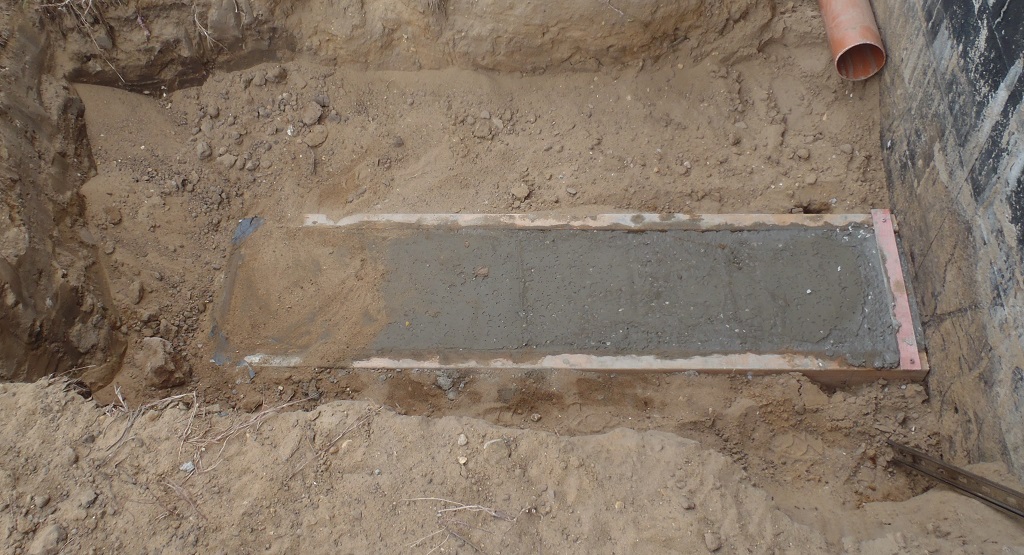
    So the last task on Friday morning was to mix nine builders buckets of sharp gravel and three bucket of cement and pour in the concrete to set over night.
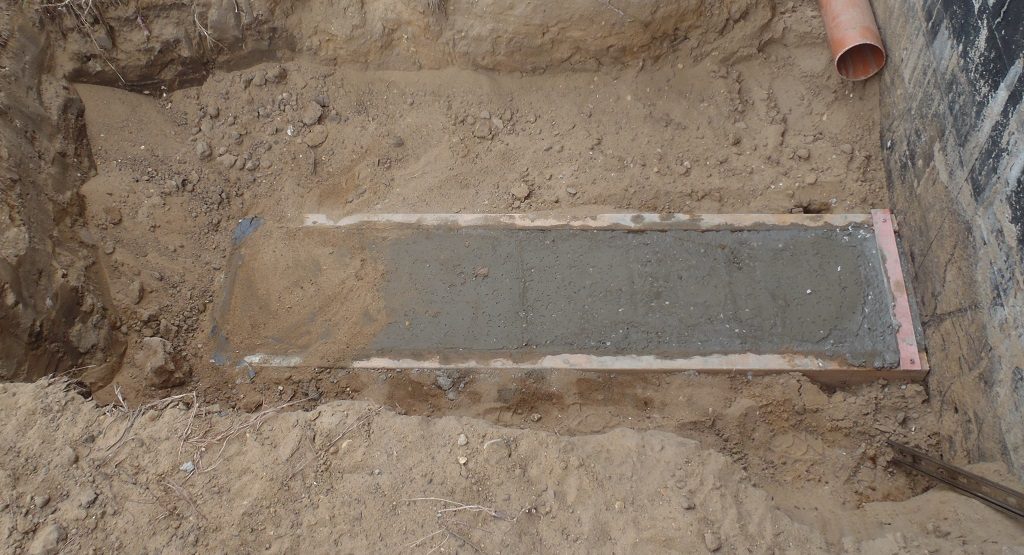
    Conservatory-Foundation-Finished

    Conservatory-Foundation-Finished


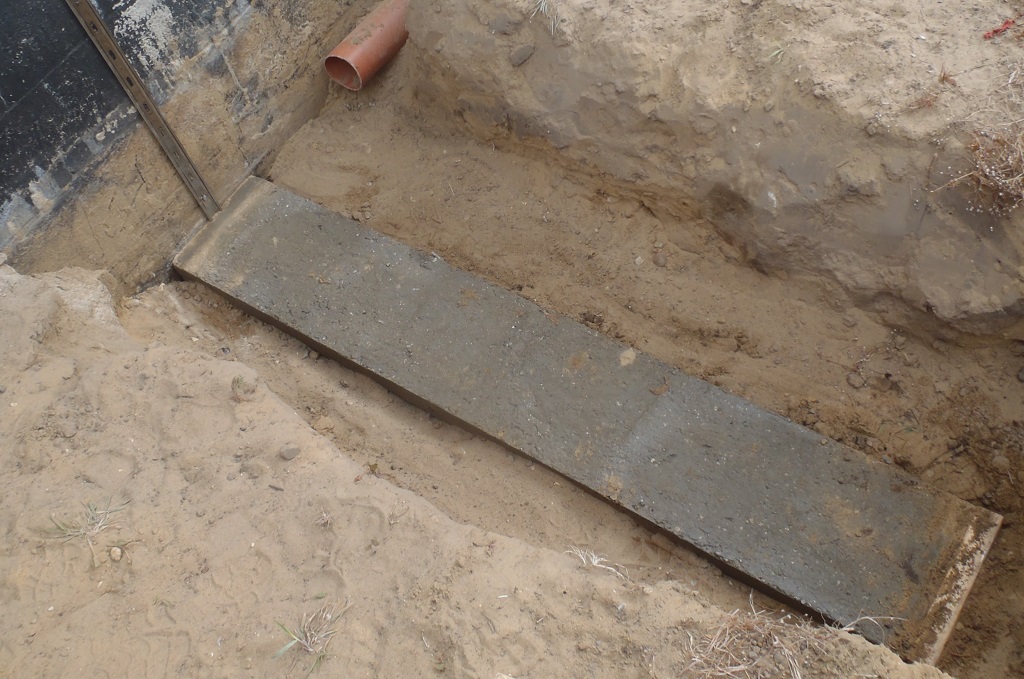
    On Saturday, we pulled out 21 concrete blocks from our swimming lane storage yard, split four of them in half and got everything ready, including sieving three buckets of soft sand from our own natural sand dune we got in our garden ! We then prepared the foundations for the walls stripping the form work and marking them for the right angle from the wall.
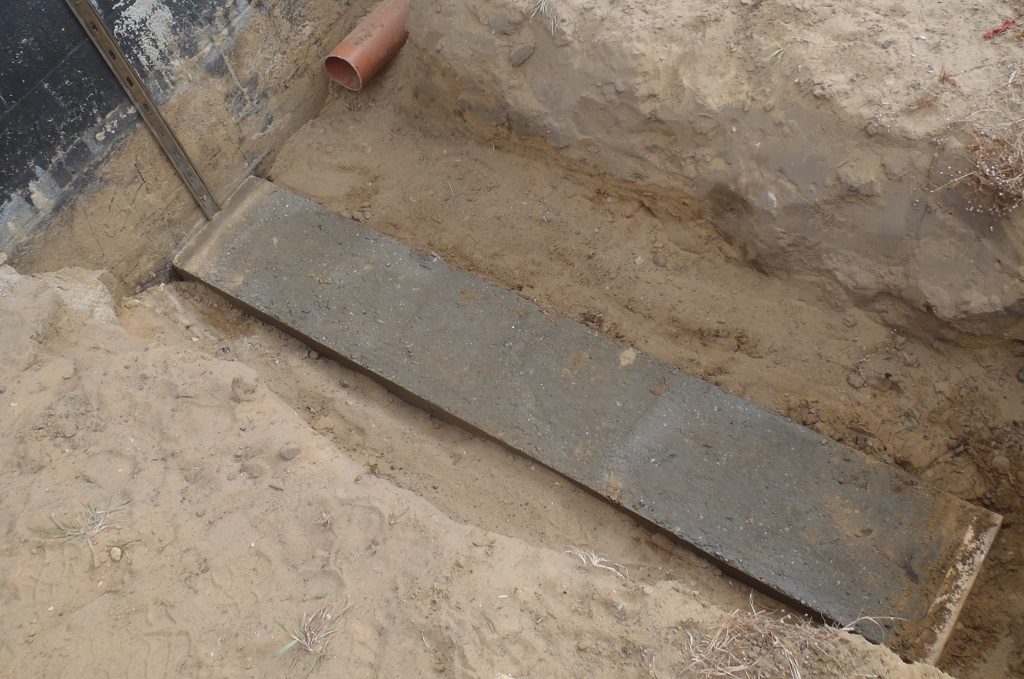
    Conservatory-Foundation-stripped

    Conservatory-Foundation-stripped


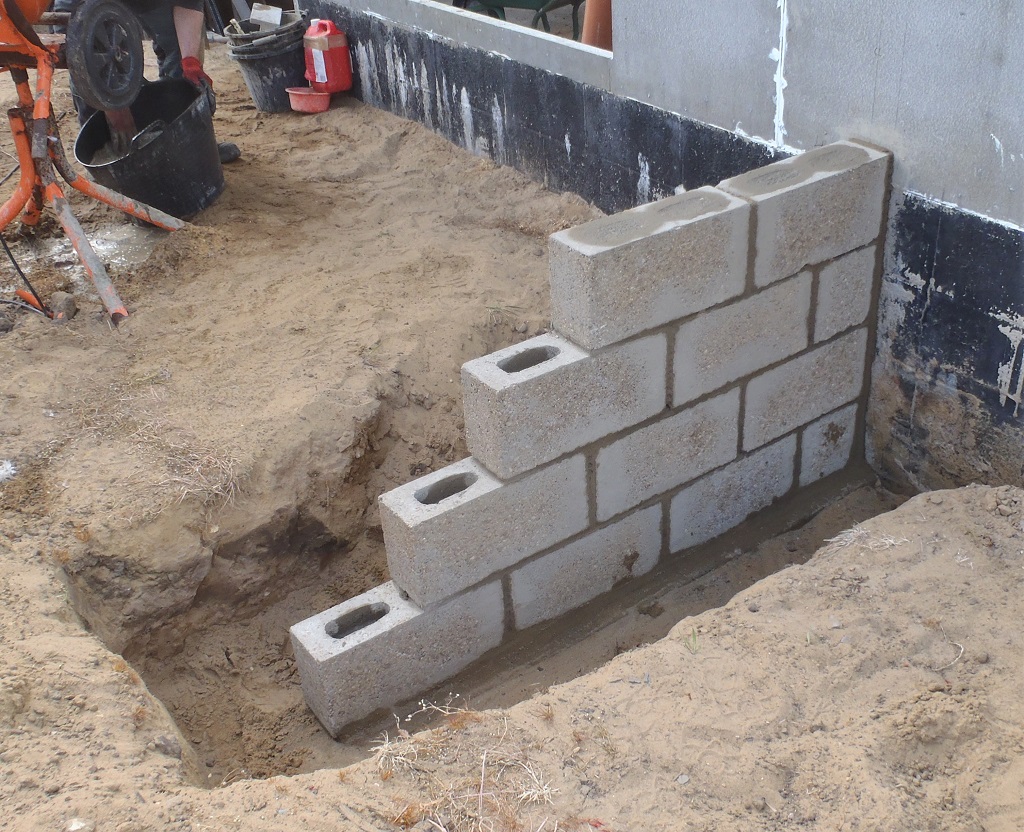
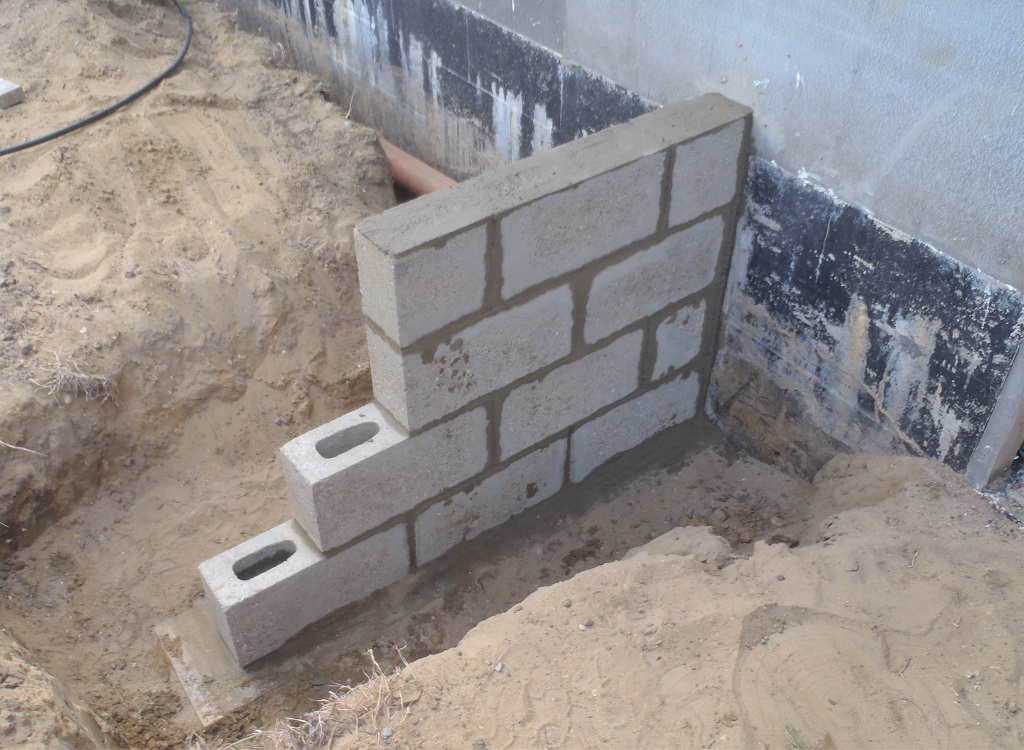
    One wall is just a simple staircase arrangement of the blocks, starting with three and an half along the bottom (hence why the foundation needed to be 1700mm long) and the fourth and final row is just two blocks wide. This is what we want regarding how far out we need the stud walls, a distance of 900mm. The new wall is attached to the old one with a stainless steel strip bolted to the old wall which has ‘L’ brackets to embed in the mortar of the new wall.
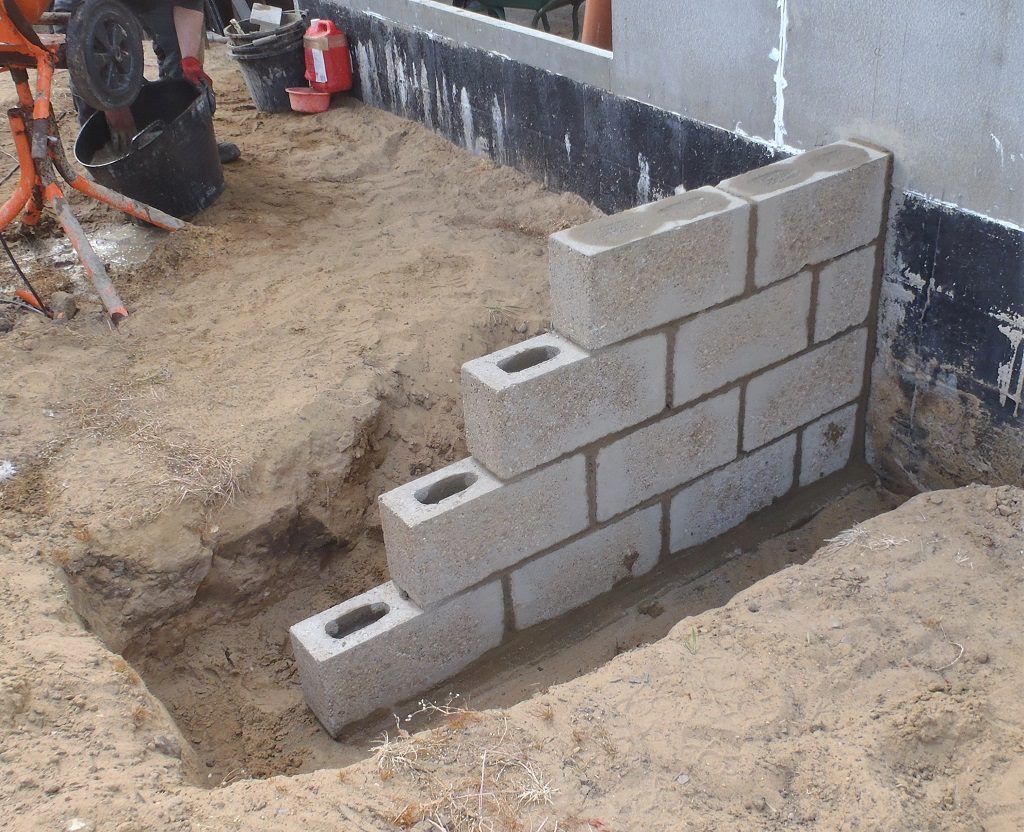
    Conservatory-Front-wall-start

    Conservatory-Front-wall-start


    The other blocks had to be laid down slightly differently because there is the Conservatory doorway positioned here, so we needed the two final rows to be both two block wide and then the usual staircase effect there after with the bottom line being just three blocks long (and the foundation only 150mm long).
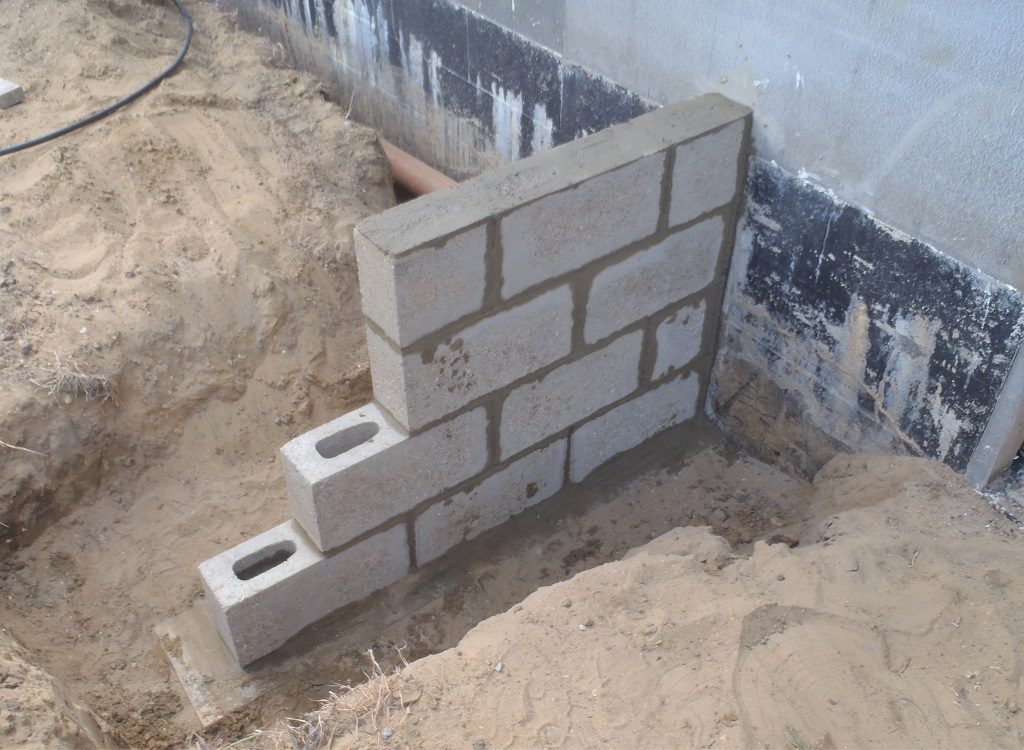
    Conservatory-back-wall-start

    Conservatory-back-wall-start


    The last job of the day (and week!) was to mix more high strength concrete and pour them into the hollow columns inside the concrete blocks themselves. Oh yes, we also moved the extracted sandy soil back around the new walls and levelled the ground back up again.
    Did you notice the walls are higher than those of the house? This is to get the sill of conservatory the same height as the house windows…

    So next week, weather permitting, we will build up the wooden framework of the stud walls and connect them to the roof above and then we can start moving the platform modules – hurrah!
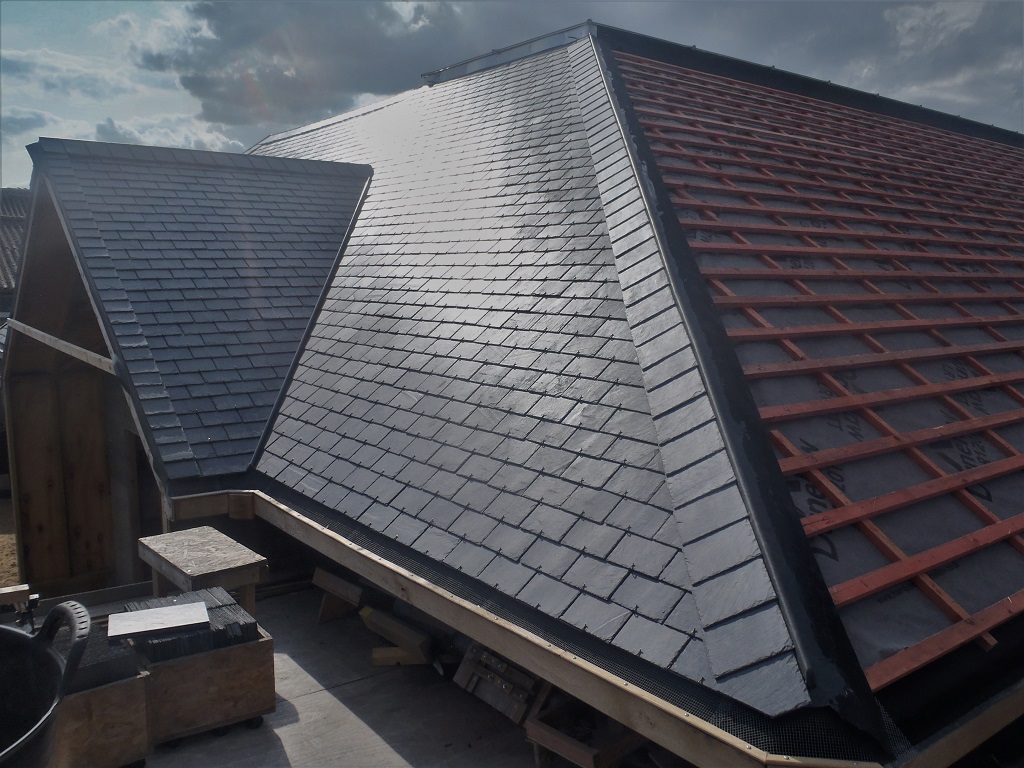
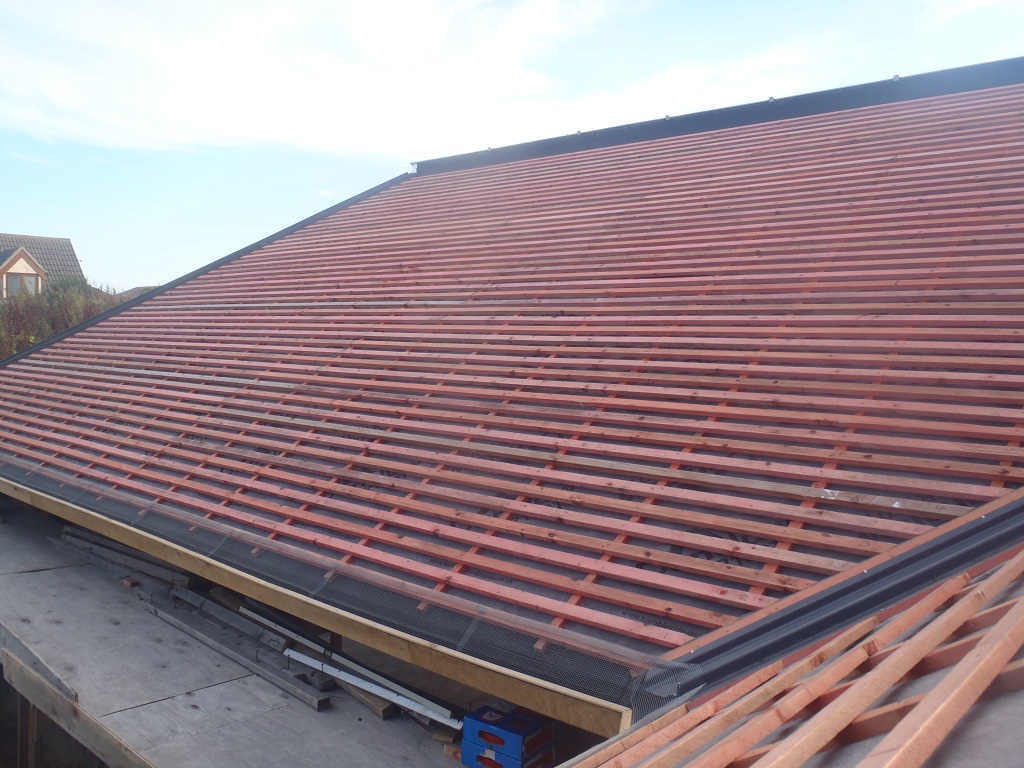
  • Gutter Mesh Protector Installed, Corrected Alignment of M-N Valley Trough and Hips plus Ridge “Hat” Created for J K and L Roof Sections

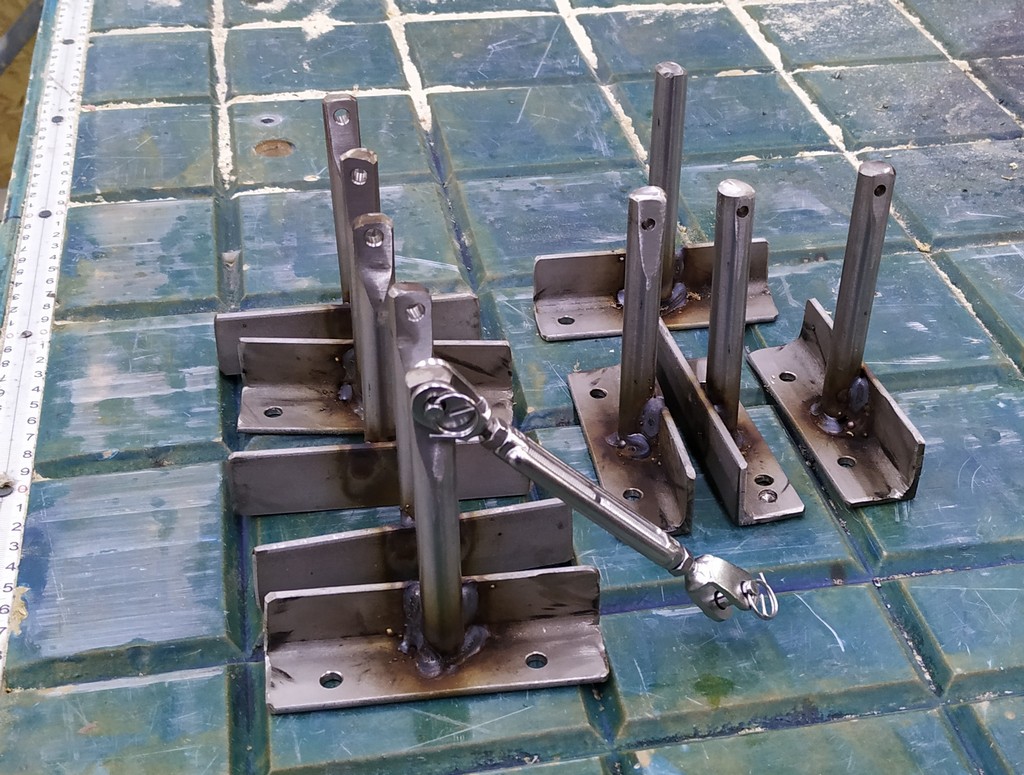
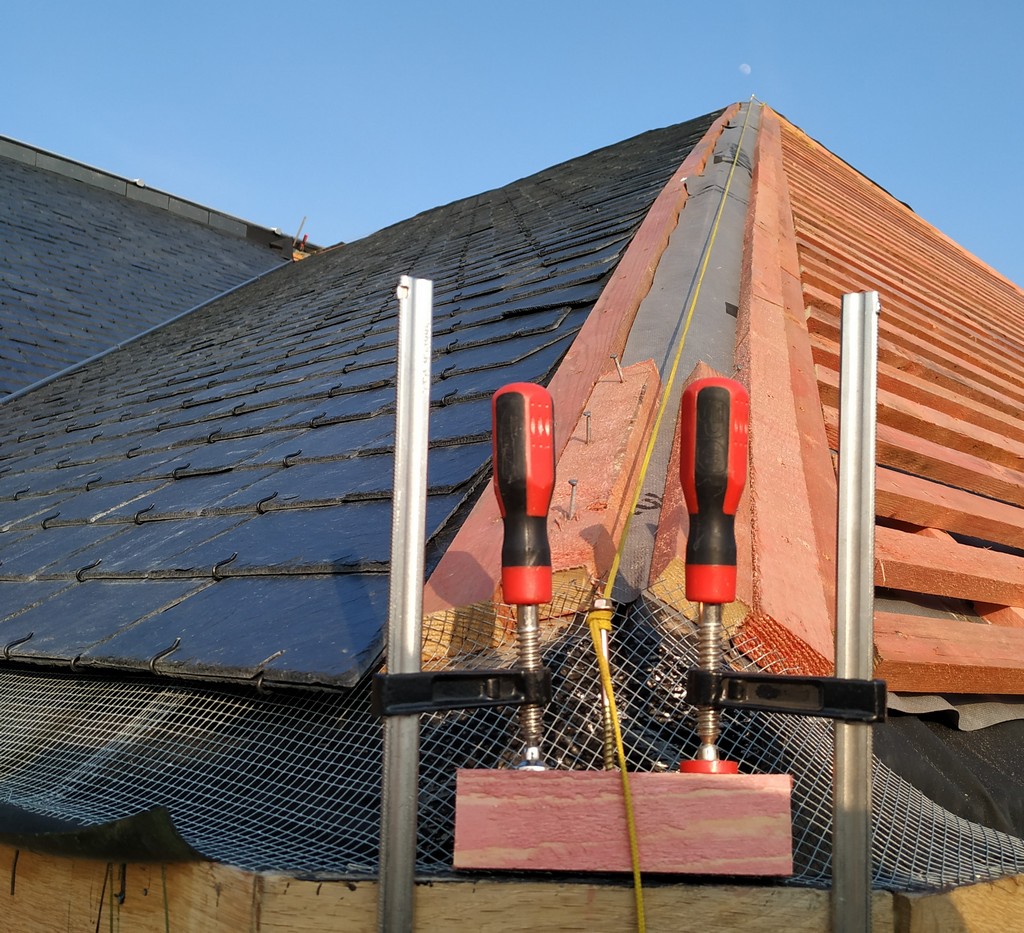
    It was a week of lovely dry weather. We started the week  by tidying the workshop and completing the making of the Ladder Support stainless steel brackets and setting out strings to get the hip flashing straight (The roofs wobble a bit).

    Skylight-safety-wire-supports

    Skylight-safety-wire-supports

    String-to-align-hips

    String-to-align-hips


    We tackled the next job of putting on the metal Mesh Protector over the guttering where we went along the K section, round the corner into L. Then from one valley (L-M) to the other valley corner (M-N) .. ..

    Gutter-complete-on-K

    Gutter-complete-on-K

    Gutter-complete-on-L

    Gutter-complete-on-L


    But before the mesh went down in around the bottom of the valleys, we had to nail into place the glass-fibre trough modules, the first section at least. But we discovered when we came to do the M-N valley that the angle was all wrong. We tried to be too clever when we laid down the counter battens to support the trough, but our lack of experience, and lack of double checking the theory, we shifted the position sideways so that the valley line would be centred to the gutter and downpipe channel! This was Wrong! it made the intersection  of the slates different heights… So we spent the morning doing some open surgery on our roof, peeling back the layers of breathable membranes, moved the wooden battens and realigned it.
    Incorrect-MN-valley-Before-work

    Incorrect-MN-valley-Before-work

    Incorrect-MN-valley-All-opened-up

    Incorrect-MN-valley-All-opened-up

    Incorrect-MN-valley-Fixed

    Incorrect-MN-valley-Fixed


    The new angle of the trough now means that the two roof surfaces of the slates coming in towards the valley point are both at the same height and meeting point and makes (will do) a neat line down the valley.
    We resumed the interrupted task of covering up the gutters with the metal mesh and finished three quarters along the N section just before the N-O outside corner. We haven’t done the O gutter with its rubber liner yet.
    MN-Valley-installed-and-gutter-finished

    MN-Valley-installed-and-gutter-finished

    LM-Valley-installed

    LM-Valley-installed


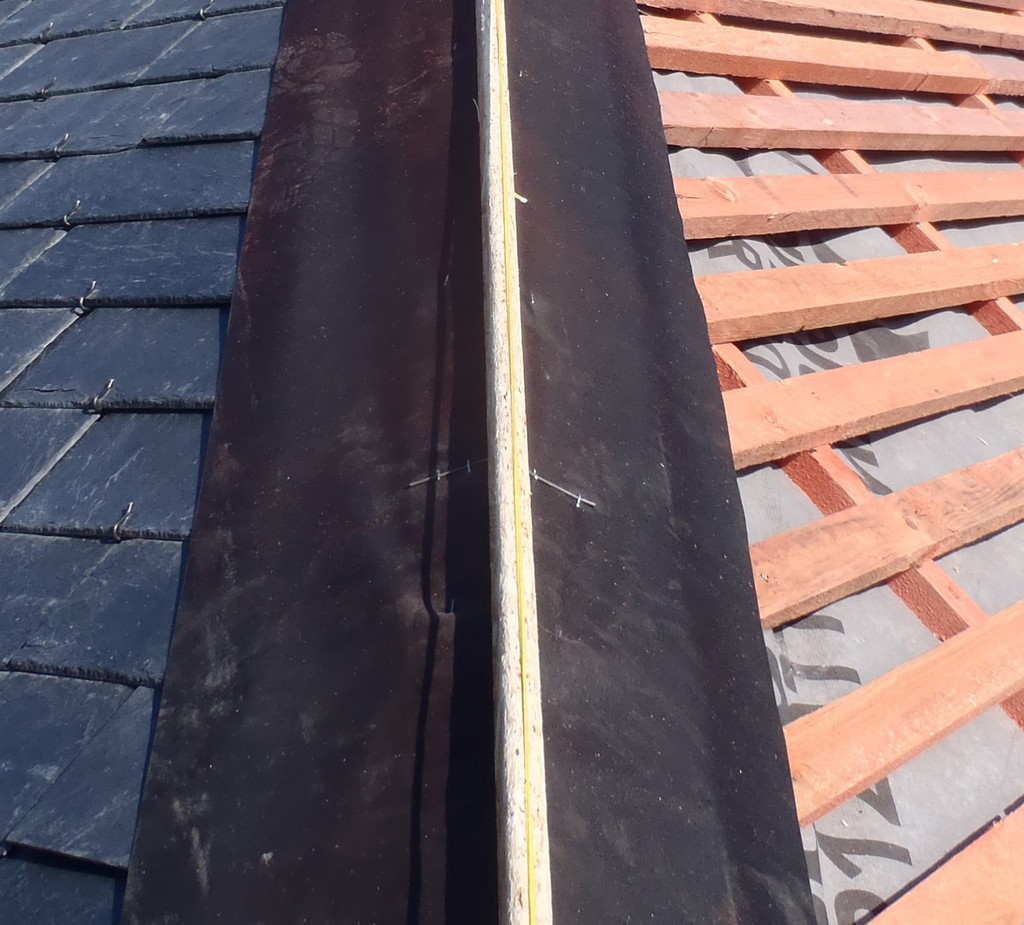
    We had one day of interruptions with a meeting in the morning and putting up the sun shield on our temporary living quarters but we resumed the work, this time, making a rain protective “Hat” for all our Hips and Ridges around the house, we have twelve Hips and five Ridges in total! This is part of providing a flashing system using slates and a layer of rubber membrane and this “hat”. We decided to go with this design because we needed to minimise the effect of the wobbly edges when they come together on the Hips and Ridges, which will be covered up the exposed cut slates of the roof surfaces, with a line of straight slates running up the Hips and along the Ridges. The hat will be a vertical piece of 19mm (¾”), strip with a rounded top (made from an OSB sheet). This is then covered over with a 150mm wide woven glass-fibre ribbon which will get coated in the dark grey resin. This combined object is sitting on top of a 400mm wide strip of rubber membrane.
    We stapled down each of the layers, then using short iron wire pieces, fixed to the underside of the bull nosed strips, was bent to provide a stiff anchorage method of holding the hat upright position against the various angles of the roof surfaces coming together.
    Hip-hat-support-wood

    Hip-hat-support-wood

    Support-wood-installed

    Support-wood-installed

    Fibreglass-tape-in-place

    Fibreglass-tape-in-place


    The whole thing then got coated with two applications of a flexible roofing resin before applying a top coat finish. Looking at the results, we think we ought to put on another coat of the finishing resin to make sure we haven’t left any pin holes behind to let rain water in.
    Hip-hat-finished-1

    Hip-hat-finished-1

    Hip-hat-finished-2

    Hip-hat-finished-2


    Finally, on the last corner of the back of the building, the O-P outside corner, we sliced off the layers of plywood that made up the hip support, put on a layer of heavy glass-fibre matting and then coated the whole thing with black top coat finish. All rubbed down and smooth, ready for going along the P section towards the Conservatory.
    OP-Gutter-corner-fibreglassed

    OP-Gutter-corner-fibreglassed


    This means now that we can insert the last strip of rubber liner for the gutter along the O section and put on the breathable membrane and battens to have this section of O roof ready for slating too.
    Next week, we can resume the job of putting up thousands of Slates for the K slope (and L, and M, and N, and O too!), and doing the flashing slates a the same time as we climb up the roof. We are Getting There!!

  • Rubber Liner for Gutters and Breathable Membrane Covers L, M and N Roof Sections

    The work this week was to cover the next three sections of the roof surface with the breathable membrane and protect the wooden Oak guttering with the required rubber material.
    The rubber membrane was the first to go into the gutters, doing our usual order of gluing down the bottom surface first (using the wet rubber solution), followed by the much slower use of two layers of contact glue on the ends of each rubber strip. We had to paint the glue on and dry the exposed surfaces using a hair dryer to speed this process up and then carefully smoothly iron the rubber into place (using our hands and fingers). We finished all three gutters on Monday.

    Gutter-rubber-installed-in-LM-N-1

    Gutter-rubber-installed-in-LM-N-1

    Gutter-rubber-installed-in-LM-N-2

    Gutter-rubber-installed-in-LM-N-2


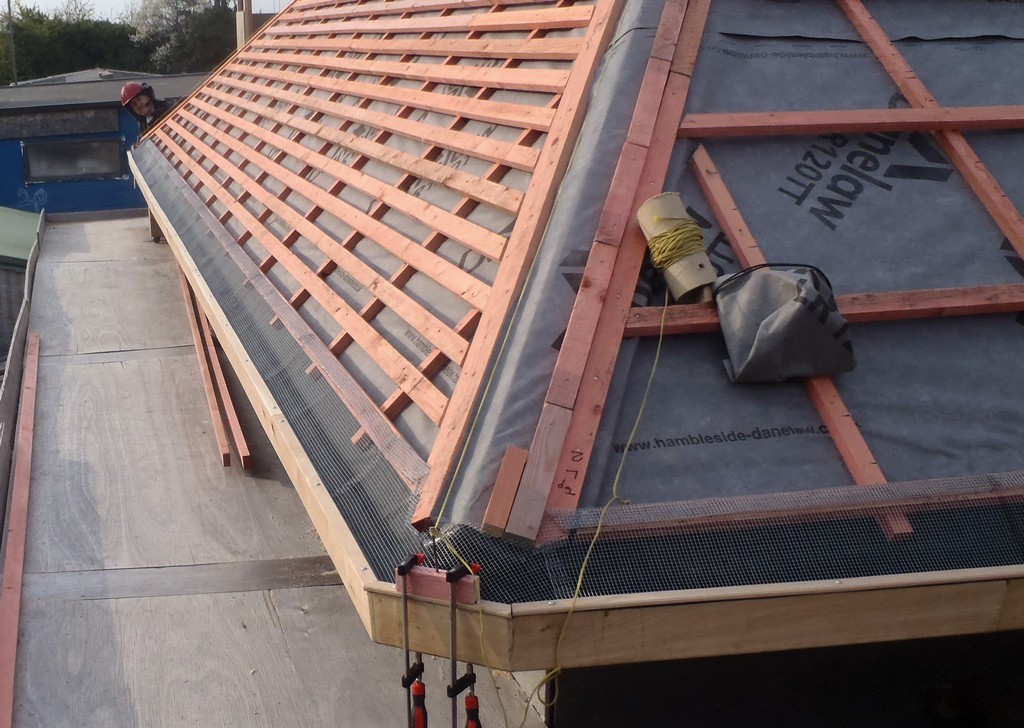
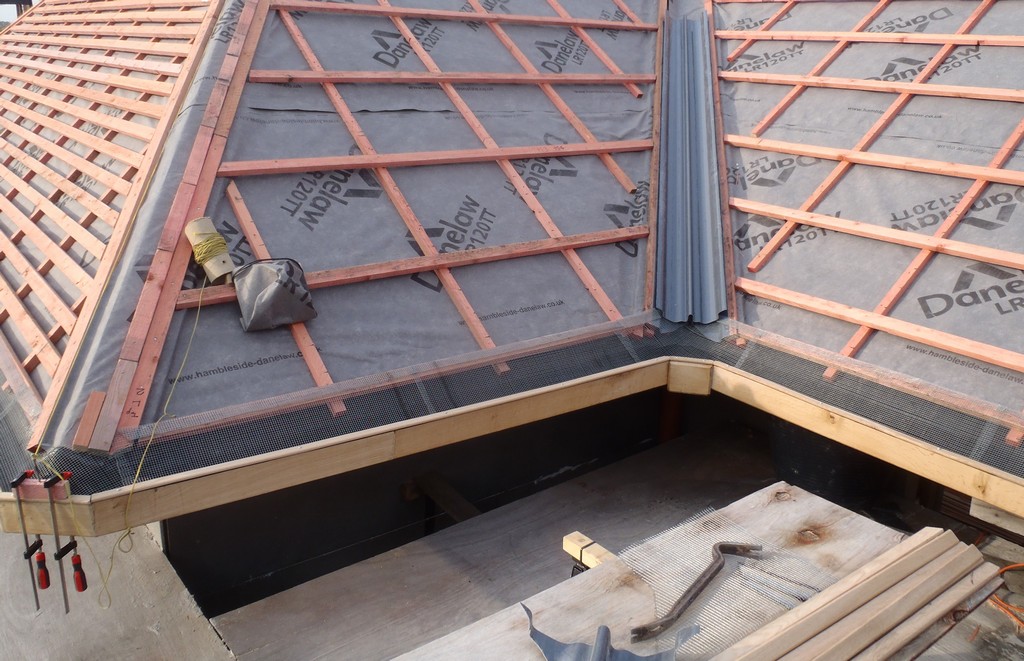
    The subsequent days were spent laying on the dark grey breathable plastic membrane, row by row, around the three roof surfaces, fixing each section with vertical counter battens and a few lines of tile battens to act as a ladder for us to climb up and down easily.

    One of the other jobs that had to be done was to finish off building up the hip and ridge layers of plywood strips to provide the fixings for the flashing slates, on the OP hip angle and the O Ridge line.

    Membrane-and-Hips-and-Ridge-Done-on-N

    Membrane-and-Hips-and-Ridge-Done-on-N


    Then we could complete the breathable membrane coverage on the N roof with a half width strip going over the ridge line and then doing the final strip of membrane on the M roof, a very long piece over 11metres (35feet) long and then a small 300mm wide strip to provide the complete protection up onto the kerb of the Skylight.
    End-of-week-13th-April-1

    End-of-week-13th-April-1

    End-of-week-13th-April-2

    End-of-week-13th-April-2


    End-of-week-13th-April-3

    End-of-week-13th-April-3

    End-of-week-13th-April-4

    End-of-week-13th-April-4


    This week sees the completion of fully waterproofing sections of the roof along the back the building that is served three downpipes, so we are now collecting approximately 130 square metres (about 1/3 of the total) of rain water from the roof when any rain falls out of the sky!! This amounts to 130litres of rainwater for every 1mm of rain fall recorded!

    Next week’s set of tasks is to finish off the stainless steel brackets for holding the ladder support wire (then we can clear up the tools in the workshop), make a flexible fibre-glass plastic hip and ridge “hat” strips and then carry on putting up more slates on the K section!

  • Section J Fully Covered in Slates, K All Battened Up and Guttering Complete Along Back of Building

    Another week is done, apart from two days of interruptions (due to a day of rain and two half days of other commitments), we had a good week of work. We completed our second section of roof, prepared the next one ready for the slates and finishing off the last stretch of Guttering.
    First job of the week was to put on the breathable membrane layers up on the K roof, overlapping the rubber strip already done from last week, putting down vertical counter battens every 610mm apart and then nail on all the horizontal tile battens at the usual spacing of 112mm up the slope. We did this job in two separate stages, the first one being just enough so we could climb up and get over to the J roof so we could complete the task of installing the slates.

    Menmbrane-and-battens-on-K

    Menmbrane-and-battens-on-K


    Thus, we duly did finish off putting on the slates on the J section of the roof, a total of about 400 of them. We had also put on the metal mesh over the gutter going around the corner (from J to K).
    End-of-April-4th

    End-of-April-4th

    End-of-April-5th

    End-of-April-5th


    The forecast was for more rain, light random showers, so we got on with putting up the second stage of tile battens on the K roof and got that done, including all the hip flashing battens too.
    K-completly-battened

    K-completly-battened


    The other job that was completed, earlier in the week, was completing the guttering along the O section and also a little bit on to the P section too, which now concludes all the roof elements along the back of the building.
    Gutter-started-on-P

    Gutter-started-on-P


    Next week, if the weather holds good, we may install more rubber and breathable membrane layers on the rest of the roof surfaces along the back, L, M and O, and put up the first set of counter battens and a few tile battens to act like a ladder. If the weather is bad, then we will be working in the workshop to make fibre-glass flexi-plastic objects to protect our Hips and Ridges against the rainwater when we put on the flashing slates.

    P.S. We have been asked to include a diagram to remind people of the position of where we are working…

    House

    House

  • Slates on J Roof and Progress on Gutters

    Another week is done and we are progressing on the roof putting Slates on the J roof segment and Guttering on the next four sections from L to O.
    We came back from our trip down south and resumed work on Tuesday by completing the valley line of slates and did a further three more lines up the diagonal before we got too close to the hip corner joining the L segment of the roof. We couldn’t continue because we wouldn’t been able to climb up over the hip to get to the higher rows of slates without having the next set of tile battens nailed up (to act as the ladder!).

    Slates on J Roof and Progress on Gutters

    End-of-26th-March


    So for the next couple of days, we got on with installing more of the Oak timber guttering, continuing from the corner of K and L, completing L and going around along M and N plus also the last section O we got along the back of the building (and have scaffolding platforms installed).
    Slates on J Roof and Progress on Gutters

    Gutters-L-M-N-Attached-1

    Slates on J Roof and Progress on Gutters

    Gutters-L-M-N-Attached-2

    Slates on J Roof and Progress on Gutters

    Gutter-O-attached


    We quickly put up more of the hip support layers of plywood strips on the N and O corner and cut off the overhanging pieces to make a neat squared off ends. The other corner K and L was also cut and made neat too. This means that the task of fibre-glassing with black resin was done on all four corners (two outside hip coroners and two inside downpipe channels valley corners) in one session.
    Slates on J Roof and Progress on Gutters

    Corners-and-Downpipe-channels-fibreglassed-1

    Slates on J Roof and Progress on Gutters

    Corners-and-Downpipe-channels-fibreglassed-2

    Slates on J Roof and Progress on Gutters

    Outside-corner-with-fibreglass-over-hip


    The last piece of work of the week, was starting to install the rubber liners inside the gutters whereas we laid in the 9 metre long rubber membrane for the K section. We decided to try a different order of doing things and this time, we applied the wet rubber latex solution on the base of the oak gutters first, laid the rubber down and then tackled each ends separately. The ends were also done differently, doing each flat surface in turn with the contact adhesive and getting a much better result with a very neat flat finish.
    Slates on J Roof and Progress on Gutters

    Rubber-lining-for-K-glued


    On the next week, we will continue putting in more rubber liners for the gutters for L, M, N and O (the O section, we will have to do the outside hip corner O P (we left it undone thinking we could do that later when we move around to do P) but we realised that we do need to have half of it installed so we can lay the rubber in the O segment and also have all the sections of the back of the building completed and be able to move all our scaffolding platforms in one go and move to tackle the next portion of the building’s roof) Then we will start laying down the breathable membrane all the way along and so on.