Category: Equipment and Tools

The Tools we are using on this Project

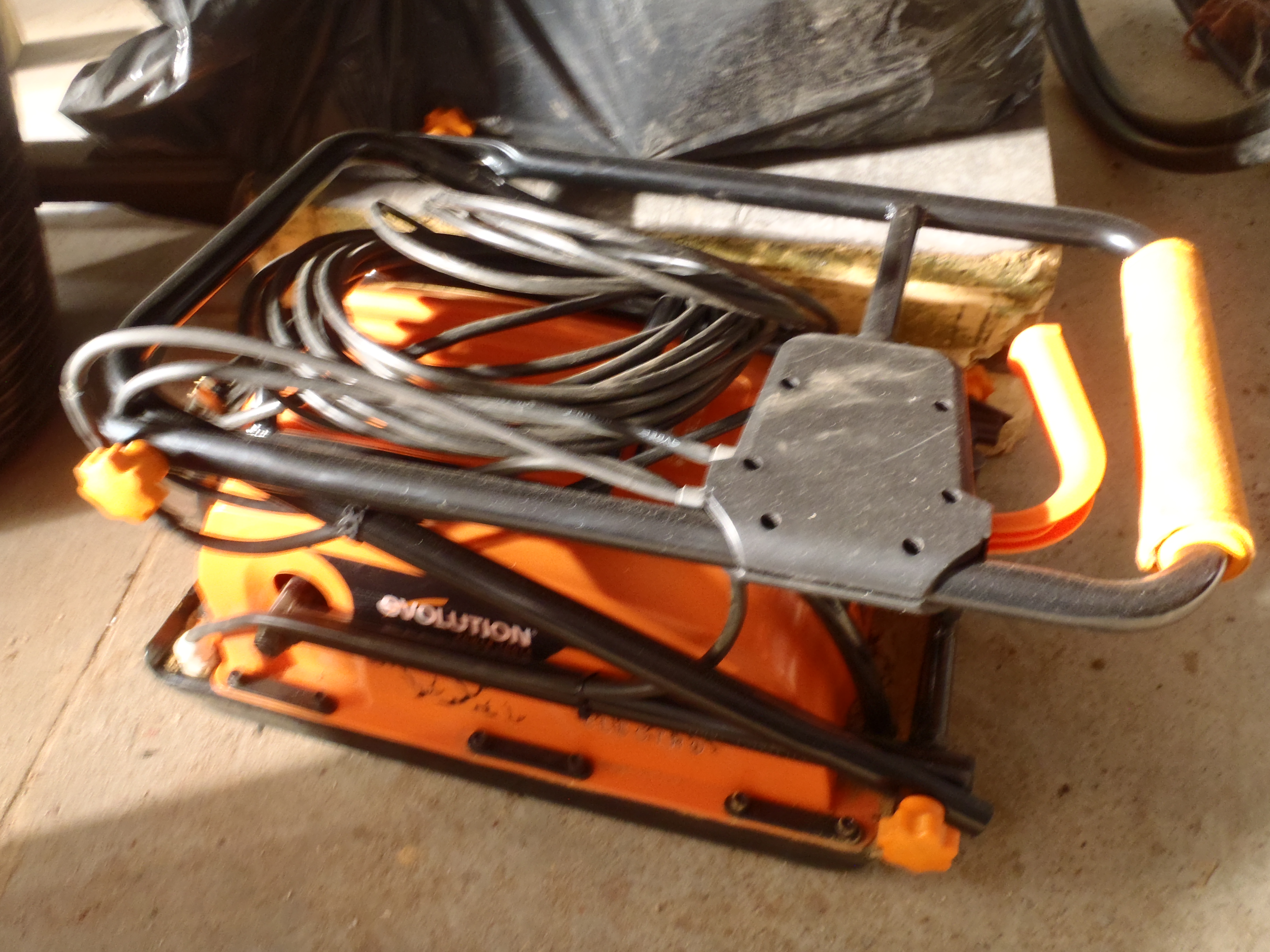
  • Electric Vibrator Reassembled

    This morning, Stephen put back together the electric powered vibrating plate
    compactor, bolting the off-centre motor back onto the base plate. He also
    had to extend the cable back up to the required length to reach the switch
    mechanism.

    Electric-compactor

    Electric-compactor

    We had used the electric motor to provide the “shake” action to our home
    made sieve machine we built last year for removing the “rubbish” out of the
    soil during the massive site clearance operation.

  • Digger drips oil

    While digging the hole for the first energy module today, we noticed that there were splashes of oil on the digger’s tracks and the ground nearby. It looks like we have sprung a leak somewhere in the hydraulic system!
    After lunch whilst Shaun was removing the excess sand from the bottom of the hole, Stephen started investigated the source of the leak.
    The oil was coming from a hole under the right rear of the machine and after removing a couple of body plates you could see some pipes covered in oil. After cleaning them the digger was started and operated for a short while and the pipes were inspected again and there was no new oil! Further investigation revealed one of the pipes was the overflow from the hydraulic oil tank (which we has topped up a week ago). So we think the oil drips were just the tank being filled too much and overflowing!

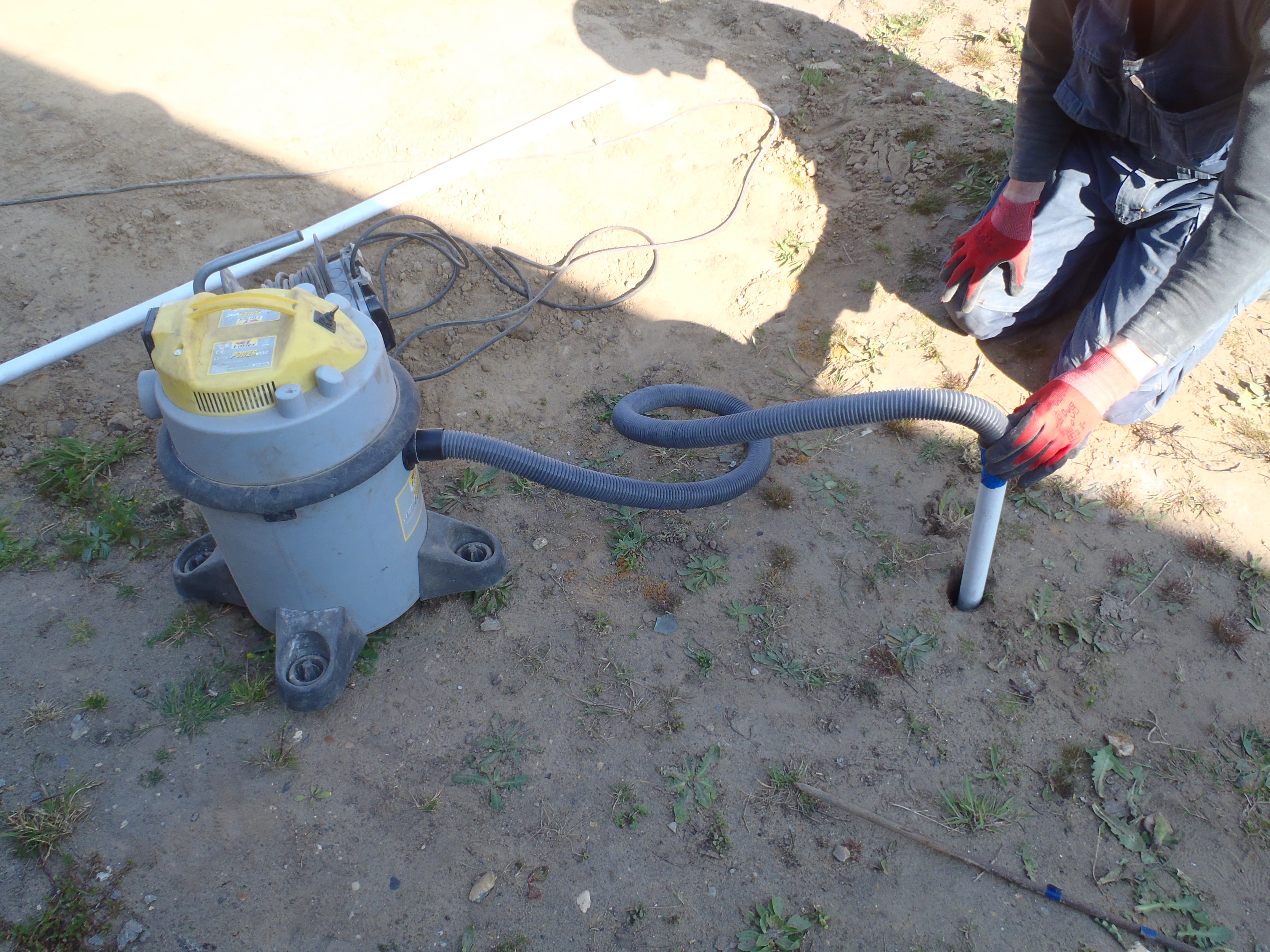
  • A new Boring Tool made

    This afternoon, we researched and designed a simple boring tool for making
    holes into the soil where we need to insert temperature sensors in and
    around the Energy Modules.

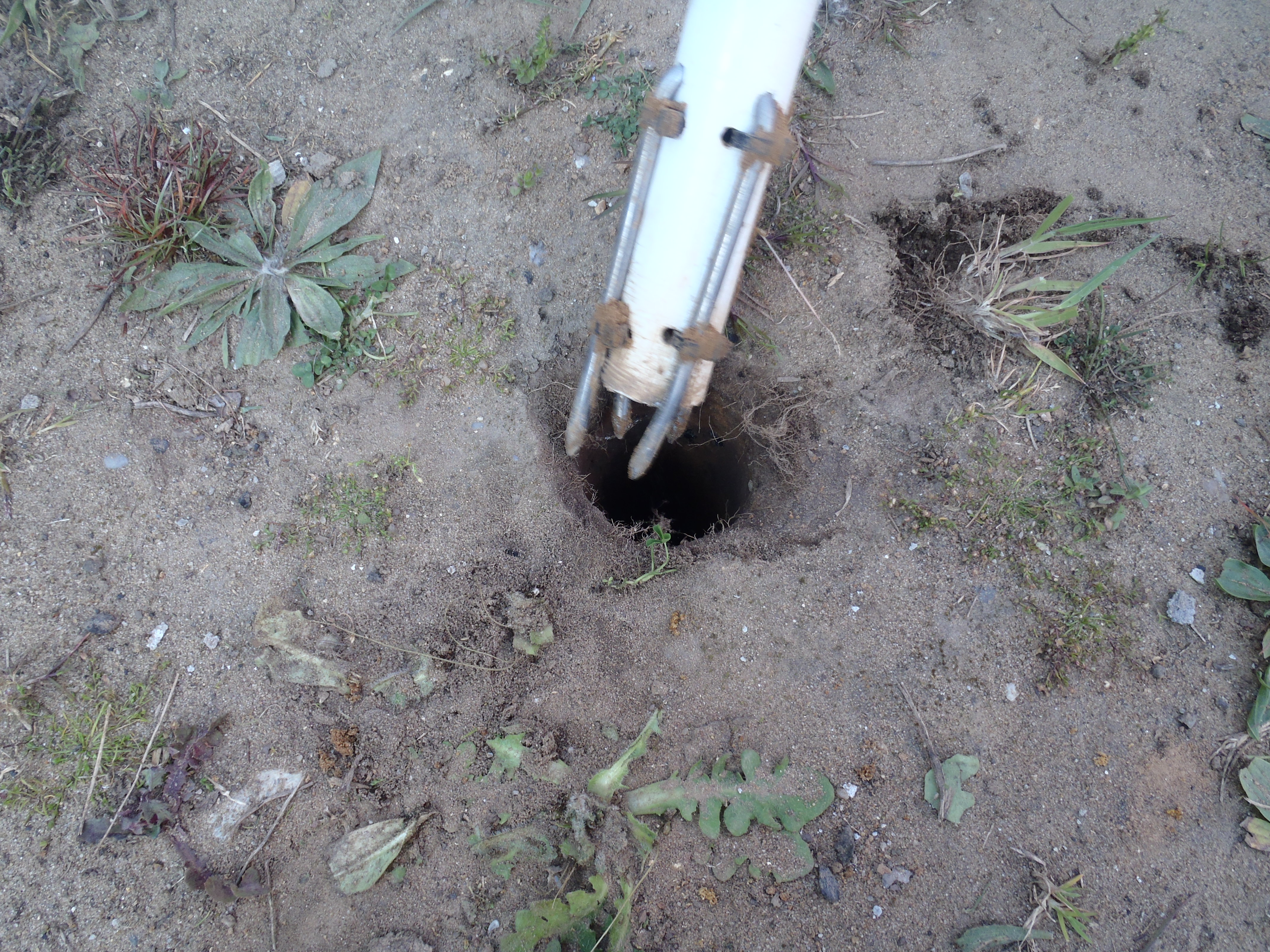
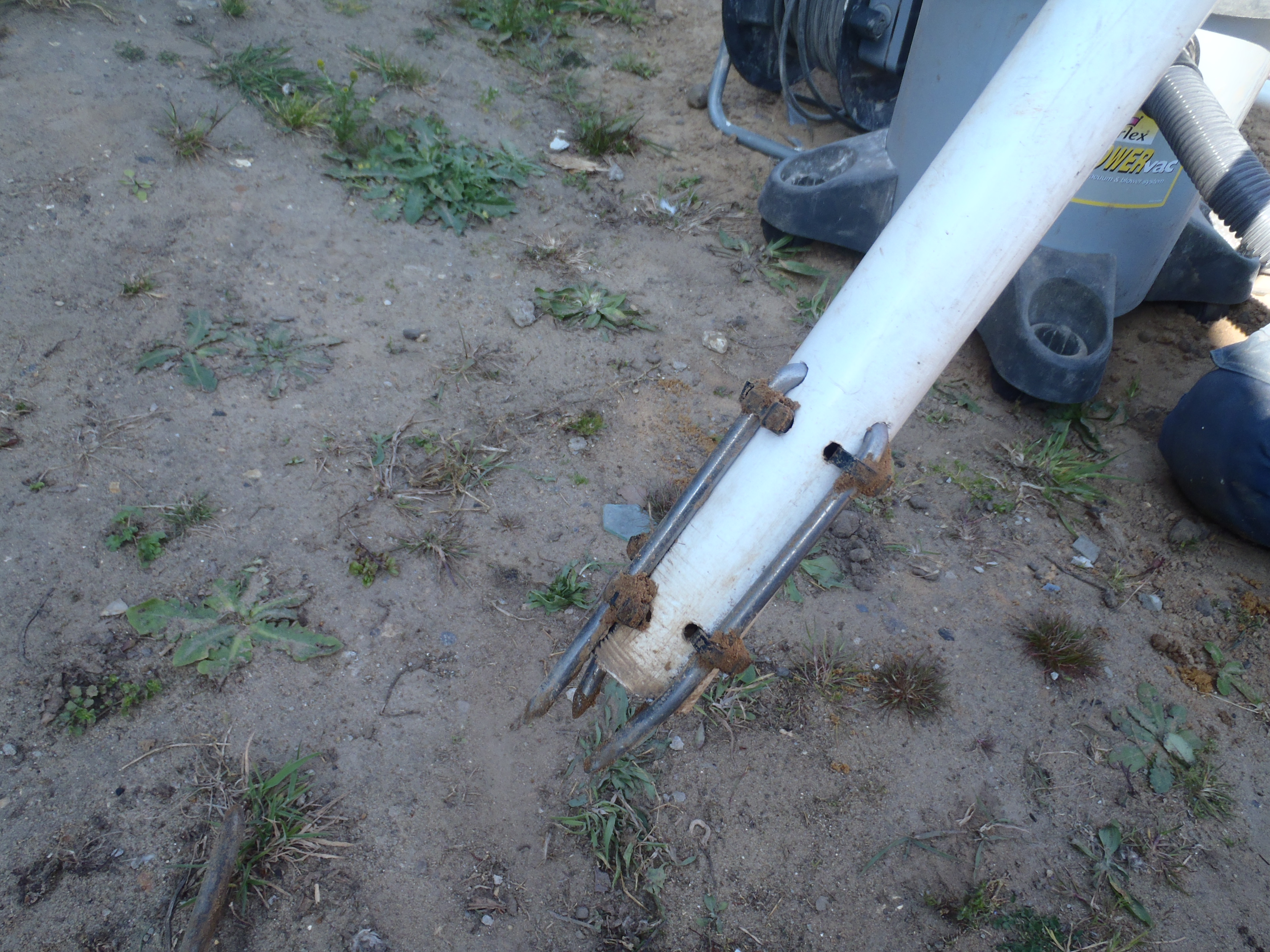
    We used a 32mm diameter plastic pipe, a metre long, and took 4 6-inch nails
    and fixed them to the end, with about an inch sticking proud out the end.
    Then the plastic tube was connected to our powerful vacuum cleaner and
    managed to “drill” down into the sandy soil!

    Hole-borer-1

    Hole-borer-1

    Hole-borer-3

    Hole-borer-3

    Hole-borer-2

    Hole-borer-2


    We did hit the gravel interface which was hard to get pass, but we did
    managed to get down 1 metre.

    But the pipe did clog up with the damp sand so we will have to clean it out
    regularly, but fortunately, we have only 35 holes to drill!!

  • New Tool to Split apart the Aquacell Crates

    This afternoon, while we waited for the black metal paint to dry on the wheel
    hub, we made a new tool to help us take apart the plastic holey crates, so
    we can clean them out!! You might ask why we are having to do this task?
    Well, several years ago, we took advantage of the cheaper oil prices and
    hence the prices of these plastic crates called Aquacell. We bought 200 of
    them and stored them around and behind our temporary living quarters. The
    problem has been caused by overgrowing ivy and other trailing plants from
    the neighbour’s garden, plus also we might find lots of slugs and snails
    living inside these dark spacious rectangular boxes (each measures 1000mm
    long by 500mm wide and just about 400mm high) and generally have dust and
    dirt blown into them over the years!!

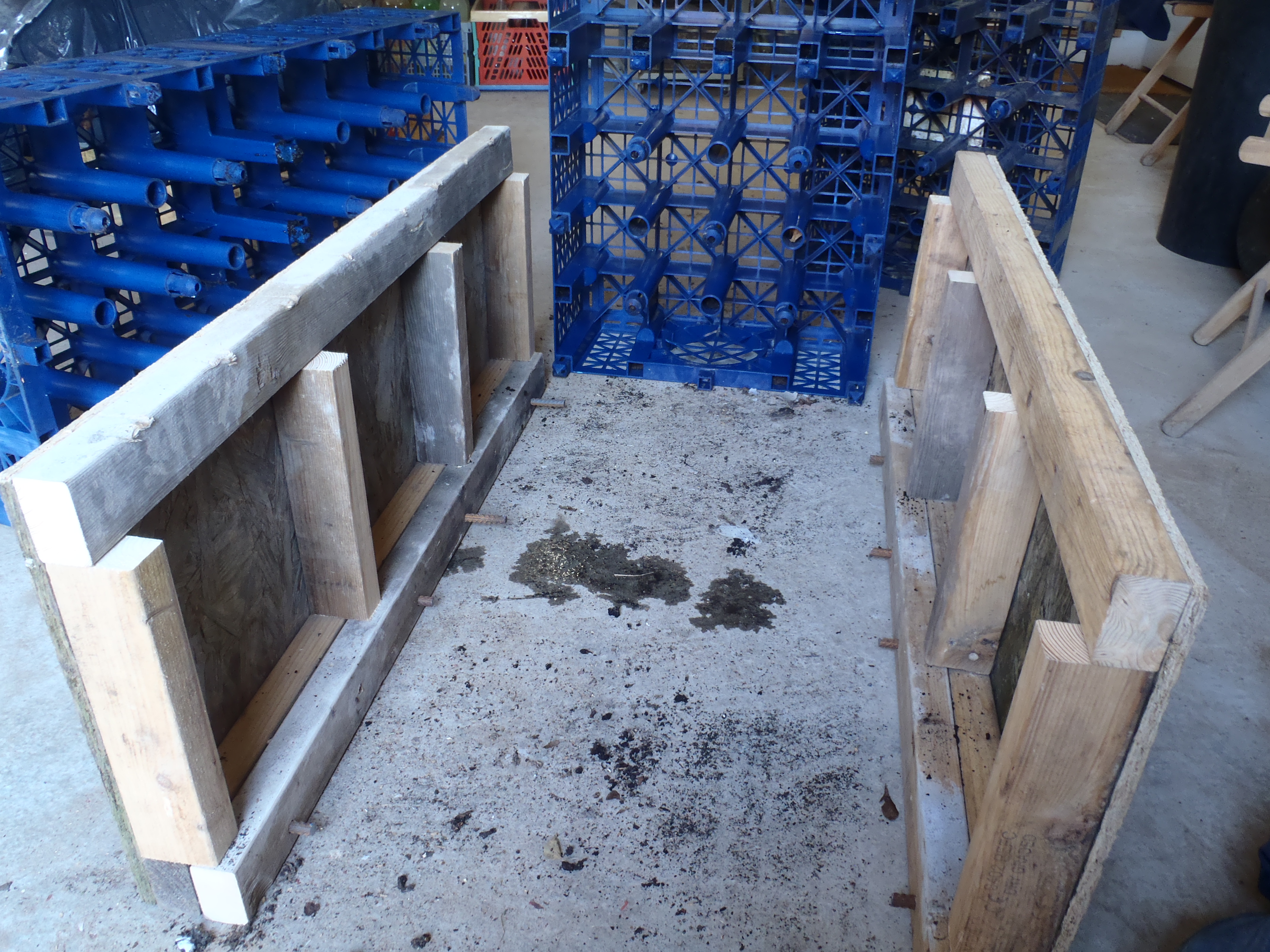
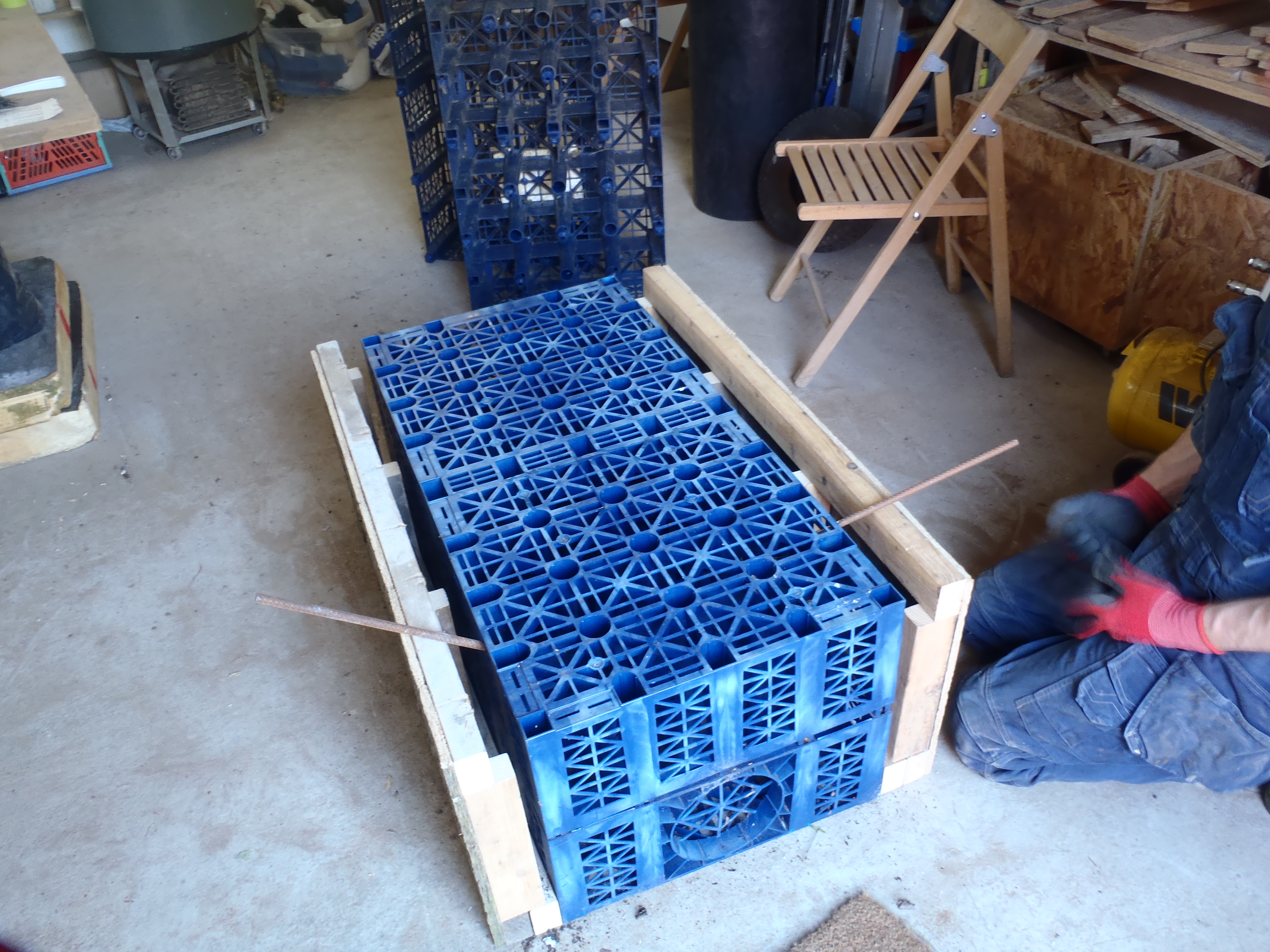
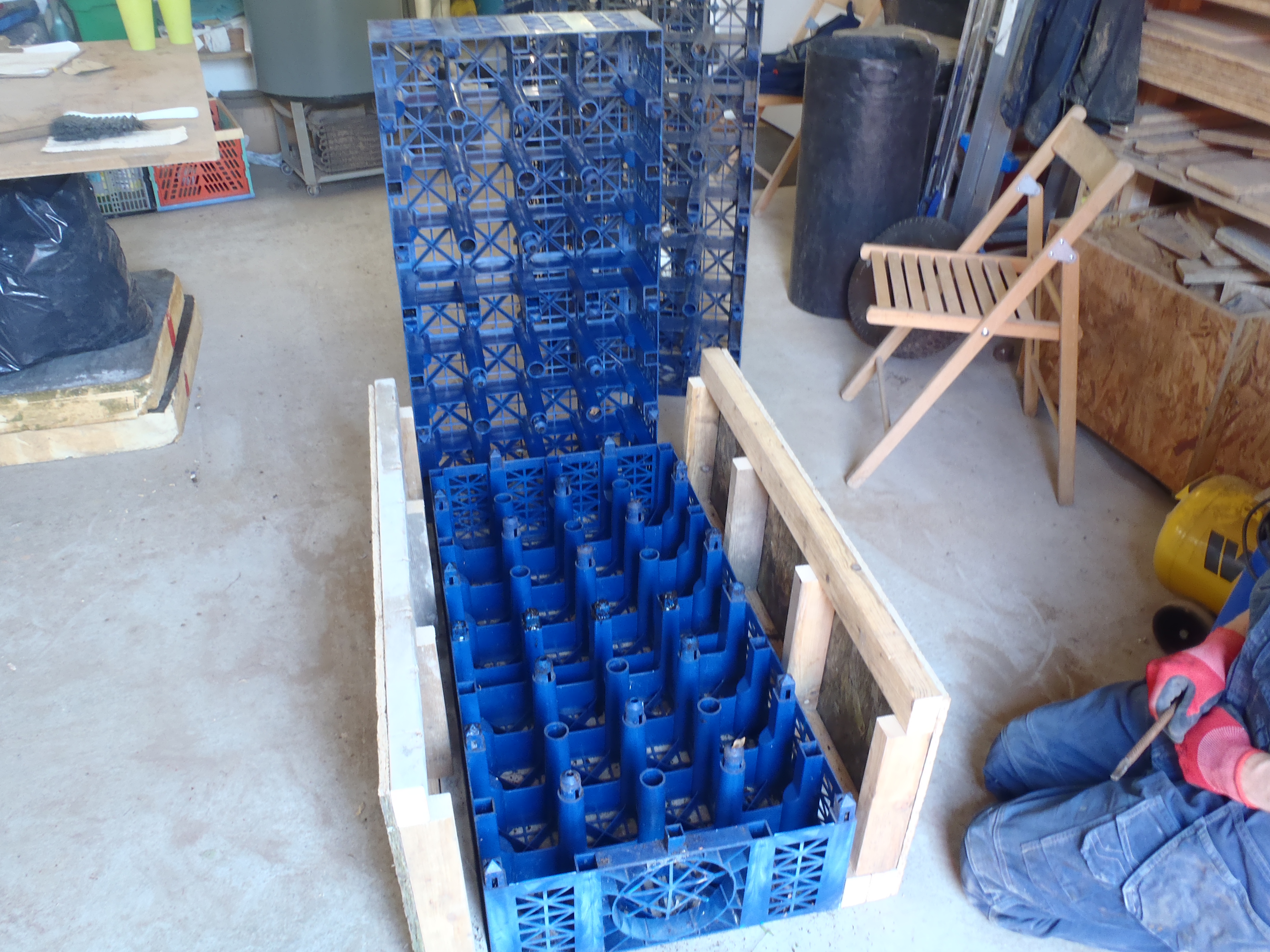
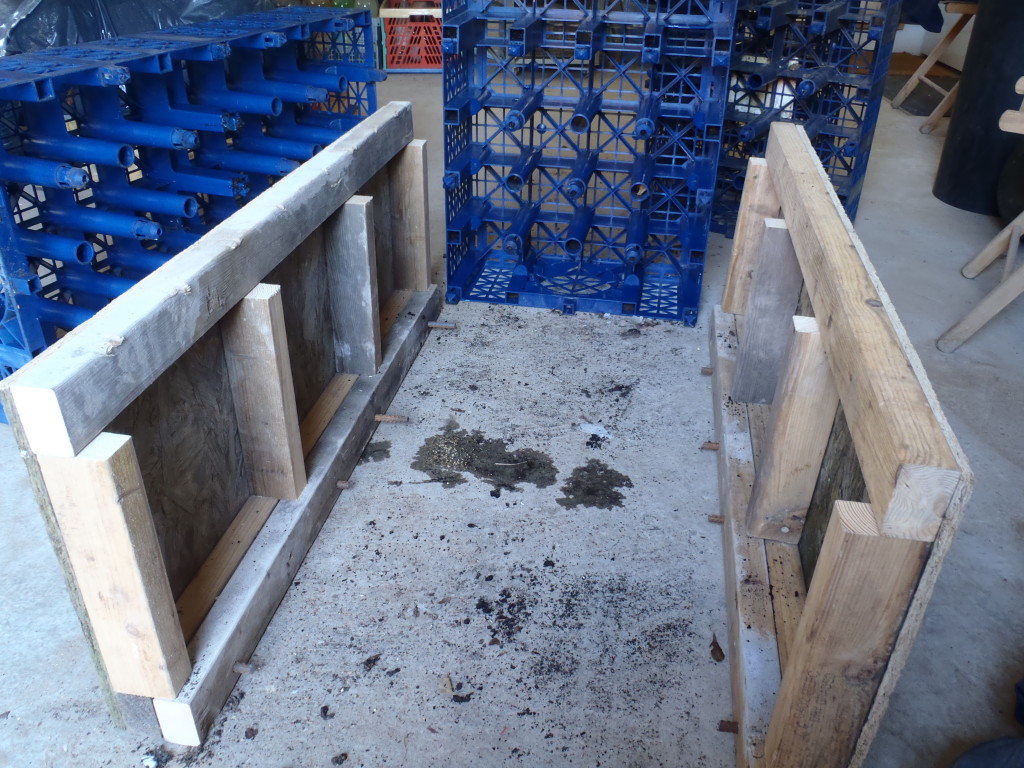
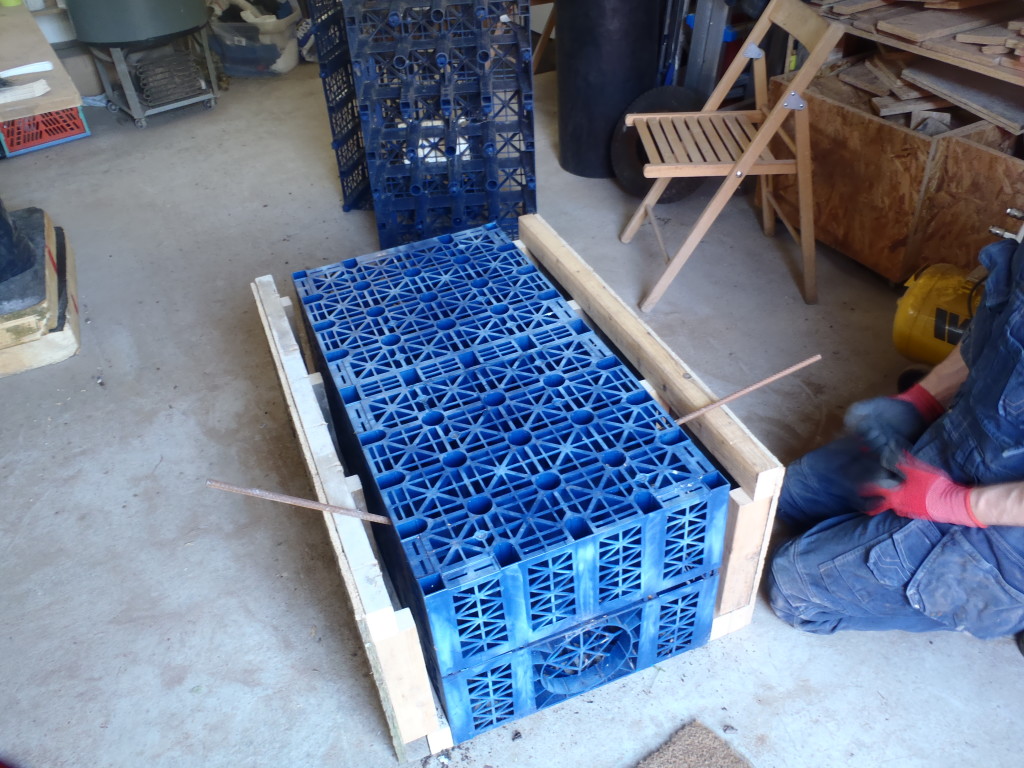
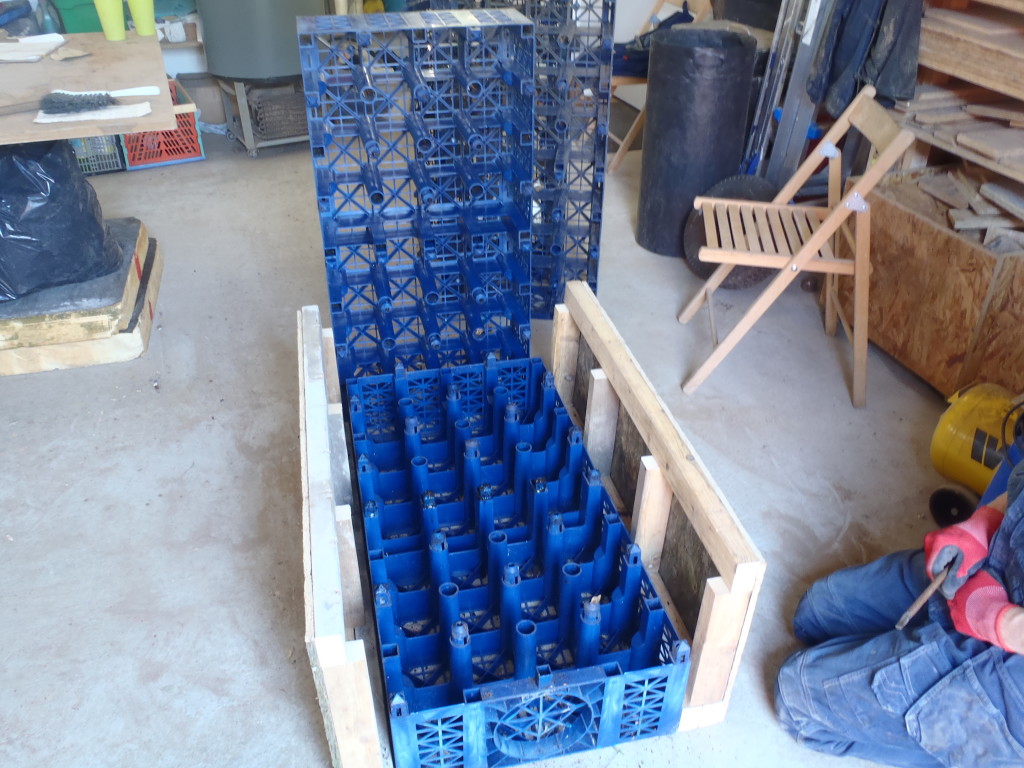
    So we design this new tool to lever apart the two layers of the crate.
    Aquacell-Disassembly-Bottom-holding-studs

    Aquacell-Disassembly-Bottom-holding-studs

    Fortunately, they are just held together by friction and so we just
    constructed two vertical walls with metal rods sticking out at the bottom
    for the Aquacell to hook onto and then, in tandem, using steel rods, to hook
    into holes at the top of the crate and lever them apart. Quite easy as it
    turned out – thank goodness!
    Aquacell-Disassembly-Insert-Levers-and-lift
    Aquacell-Disassembly-Insert-Levers-and-lift

    Aquacell-Disassembly-Separated

    Aquacell-Disassembly-Separated


    We will get our pressure washer out and blast the interior clean of the dust
    and dirt, as well as the ivy and slugs too!!
  • Wheel on Trolley Fixed and Resprayed!

    This morning, on this lovely Sunday morning, we did some maintenance tasks,
    like for example, repair the puncture we got in one of the tyres of the
    large flatbed trolley.

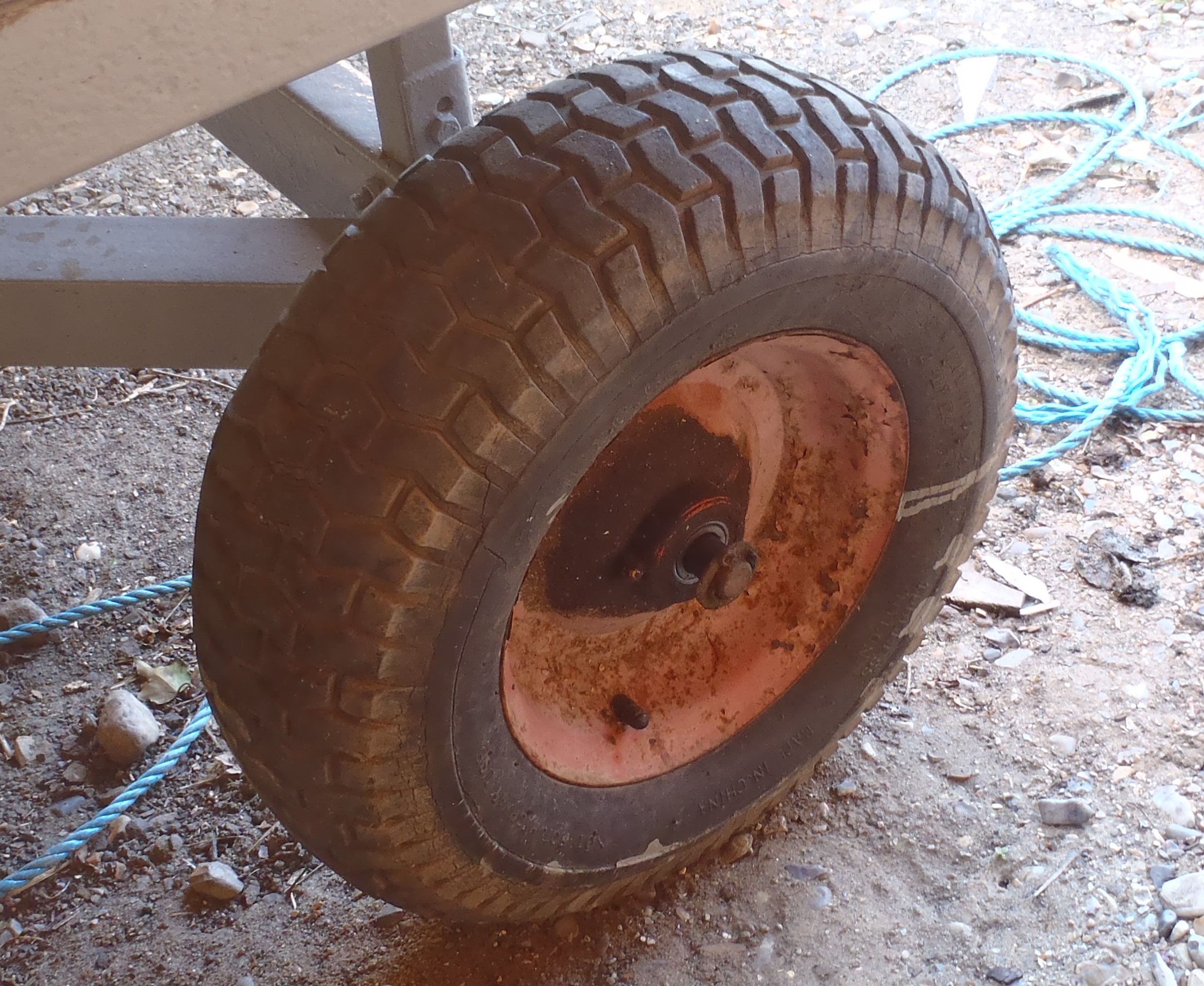
    Large-Trolley-Old-Tyre

    Large-Trolley-Old-Tyre

    It was a devil to get the tyre off the metal wheel rim, but after surfing
    the net, we wiggled and heaved and levered the tyre off and pulled out the
    inner tube. The little hole in the inner tube was located and patched up.
    The tyre itself was thrown away as the rubber has cracked under the pressure
    of heavy loads we had on the trolley over the years, and this was what
    caused the puncture where the inner tube was “bursting” out!!

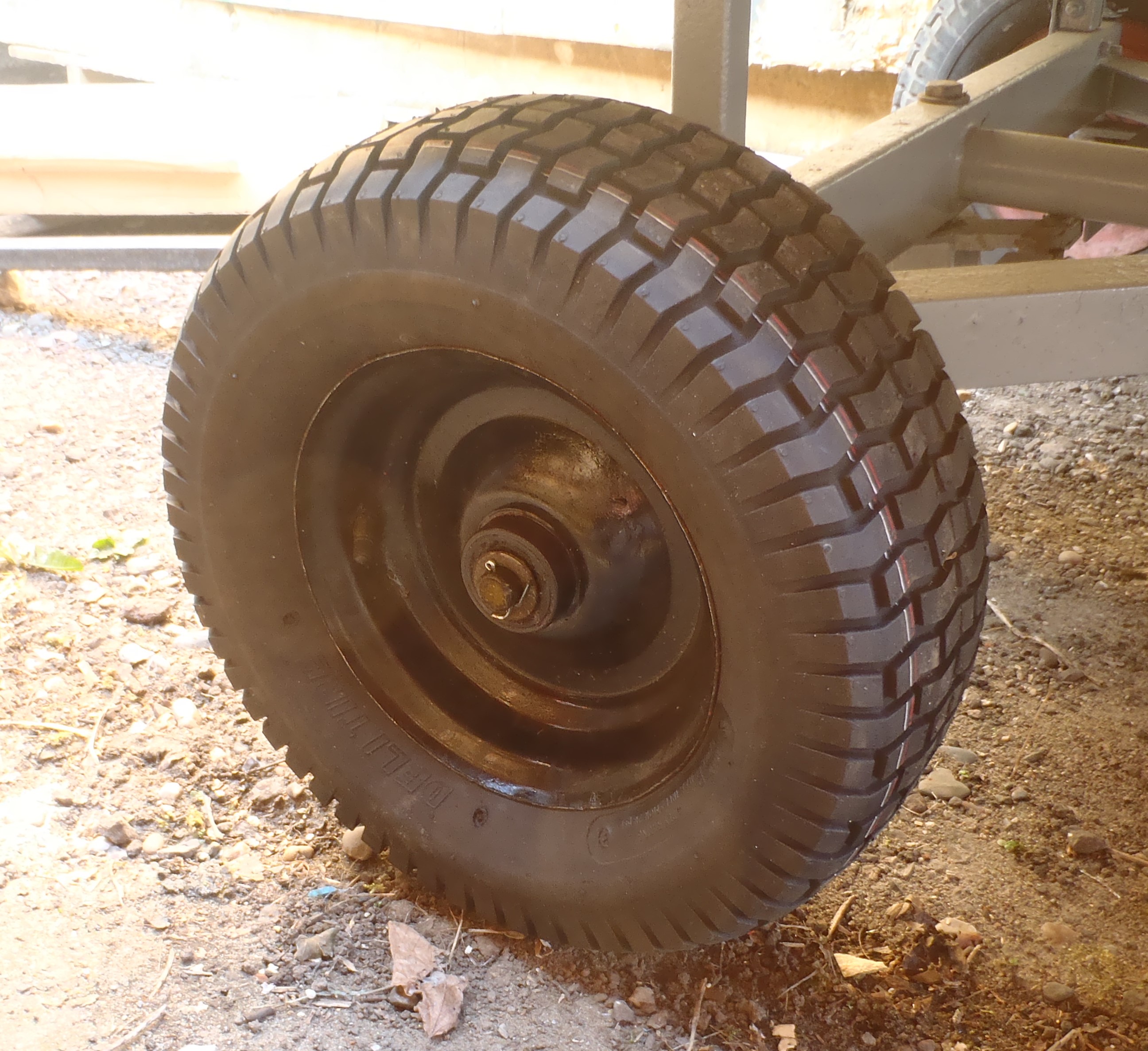
    We also gave the whole metal wheel a thorough rub with an angle grinder with
    the wire brush attachment and now is drying in the lovely sunshine with a
    fresh coat of black metal paint!!

    Large-Trolley-New-Tyre

    Large-Trolley-New-Tyre

    One done and three to go! But first, we will order some spare inner tubes,
    just in case we mess one up trying to get the tyre off etc.

  • Started Filling in Trenches!

    This afternoon, we started putting all the dirt and soil back into all the
    trenches of our three sewage pipe runs. We began at the trench cutting
    across our driveway, so that area can be made safe again for us and
    visitors.

    But we hit a slight problem with the petrol engine driven vibrating machine,
    it wouldn’t run for any length and Stephen took it apart to clean out the
    tubes and pipes etc. It now runs nice and smoothly again!!

    Shaun was clearing the driveway of piles of dirt and also scraping a layer
    of soil off the surface where silt have accumulated over the last few years
    when we had a river of rain water washing down the Loke carrying dirt and
    silt from the area, and depositing it on Our driveway!!

    Tomorrow, we will get on with the filling process in earnest!

  • Big Trolley repainted

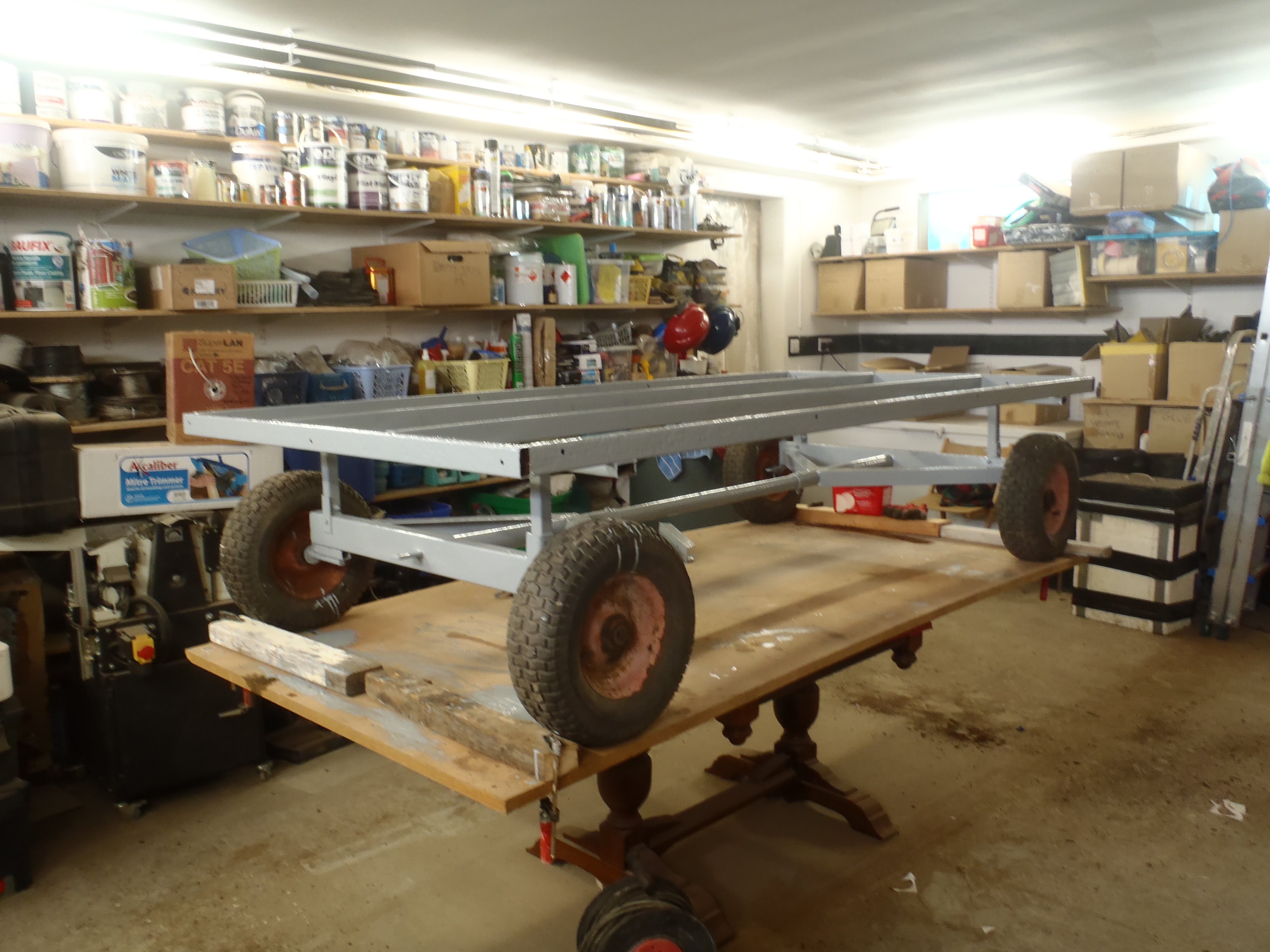
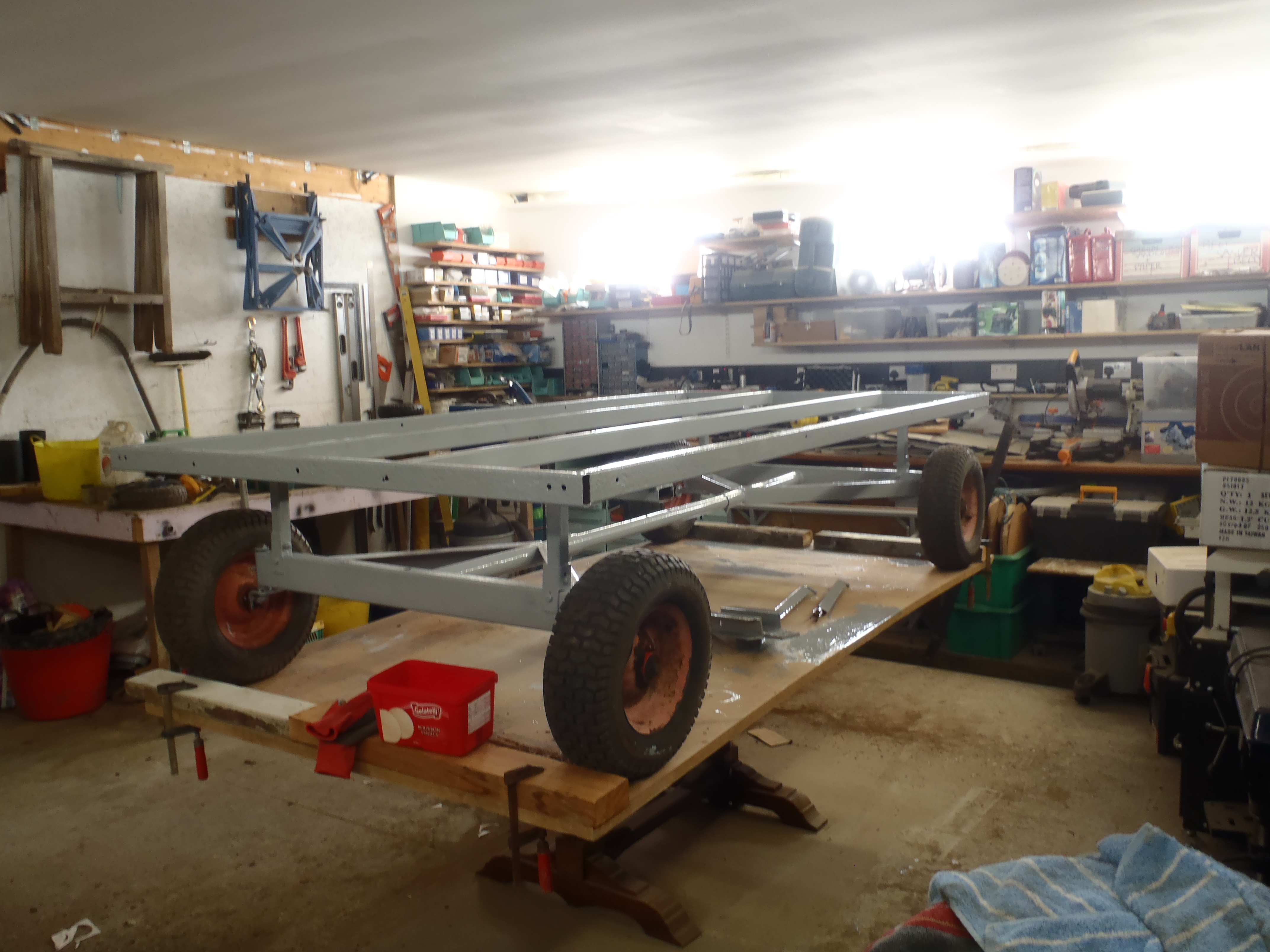
    We bought a big hand trolley (2.4 m x 1.2 m, 1000 kg load)  back in 2002, and have used it extensively since. The steel frame has been desperately in need of a de-rust and repaint for a few years now! When we had finished using the trolley as the base of the soil sifter, we removed all the wooden framing and platform and started to remove the old paint and rust with a wire brush on a angle-grinder (this was in December last year) and then we left it in the workshop until today.

    We finished wire brushing and cleaning it this morning and then painted it this afternoon (we will probably only give it one coat as it really was very rusty and will need to have the platform support frame replaced in a few years (if we don’t discard it as no longer needed)).

    Large-Trolley-Re-Painted-2

    Large-Trolley-Re-Painted-2

    Large-Trolley-Re-Painted-1

    Large-Trolley-Re-Painted-1


  • Mini Trolley Repaired

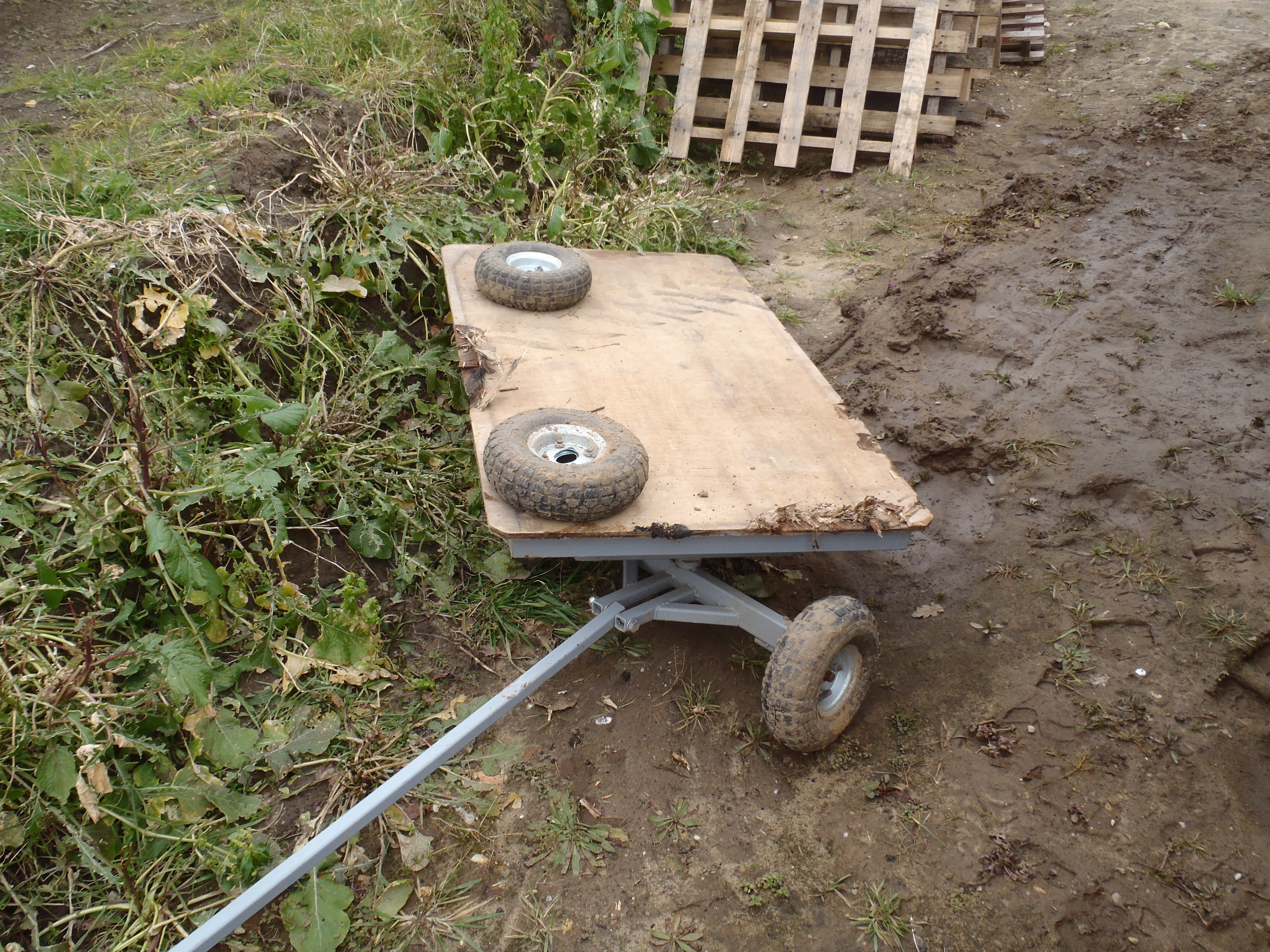
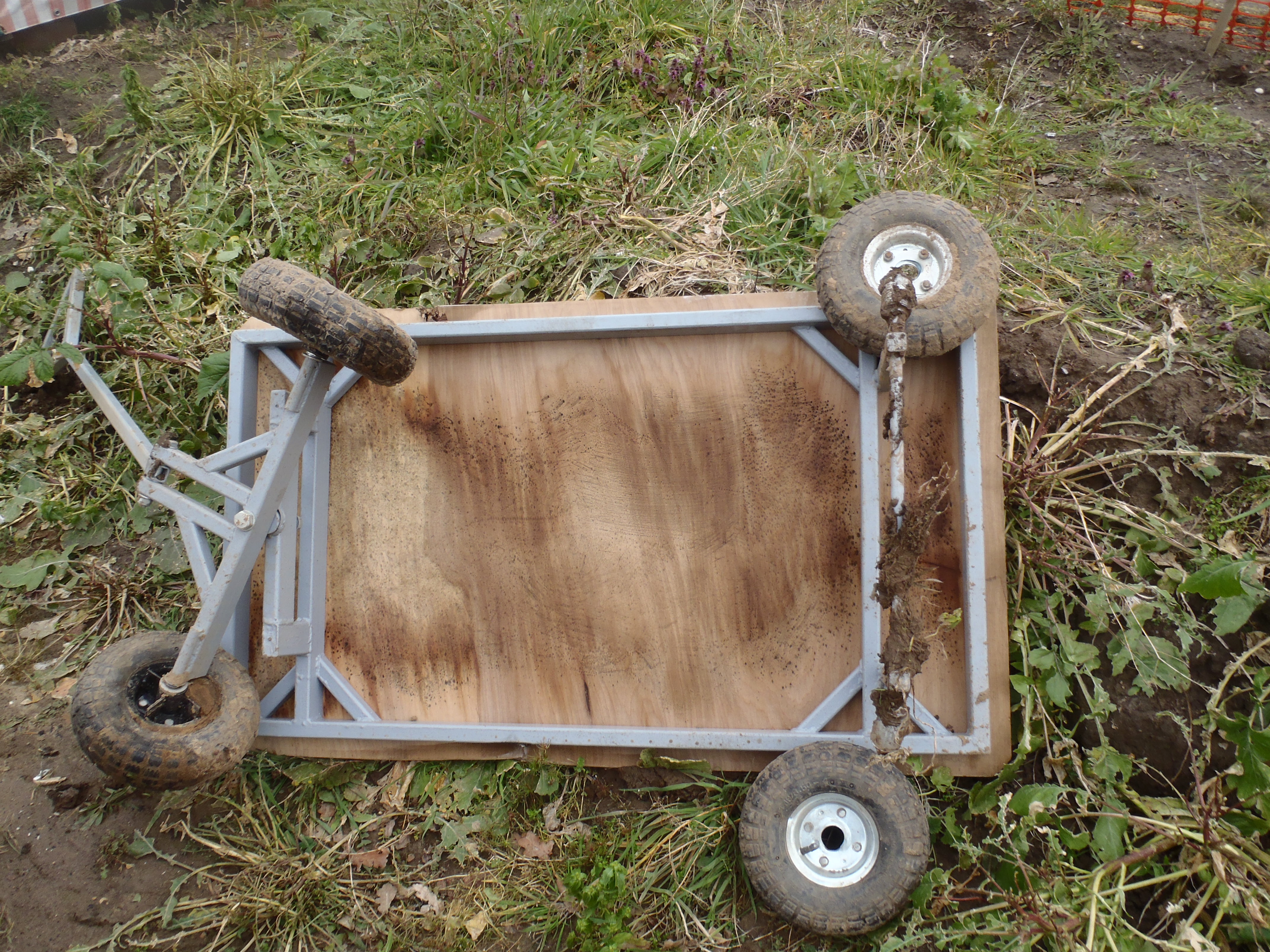
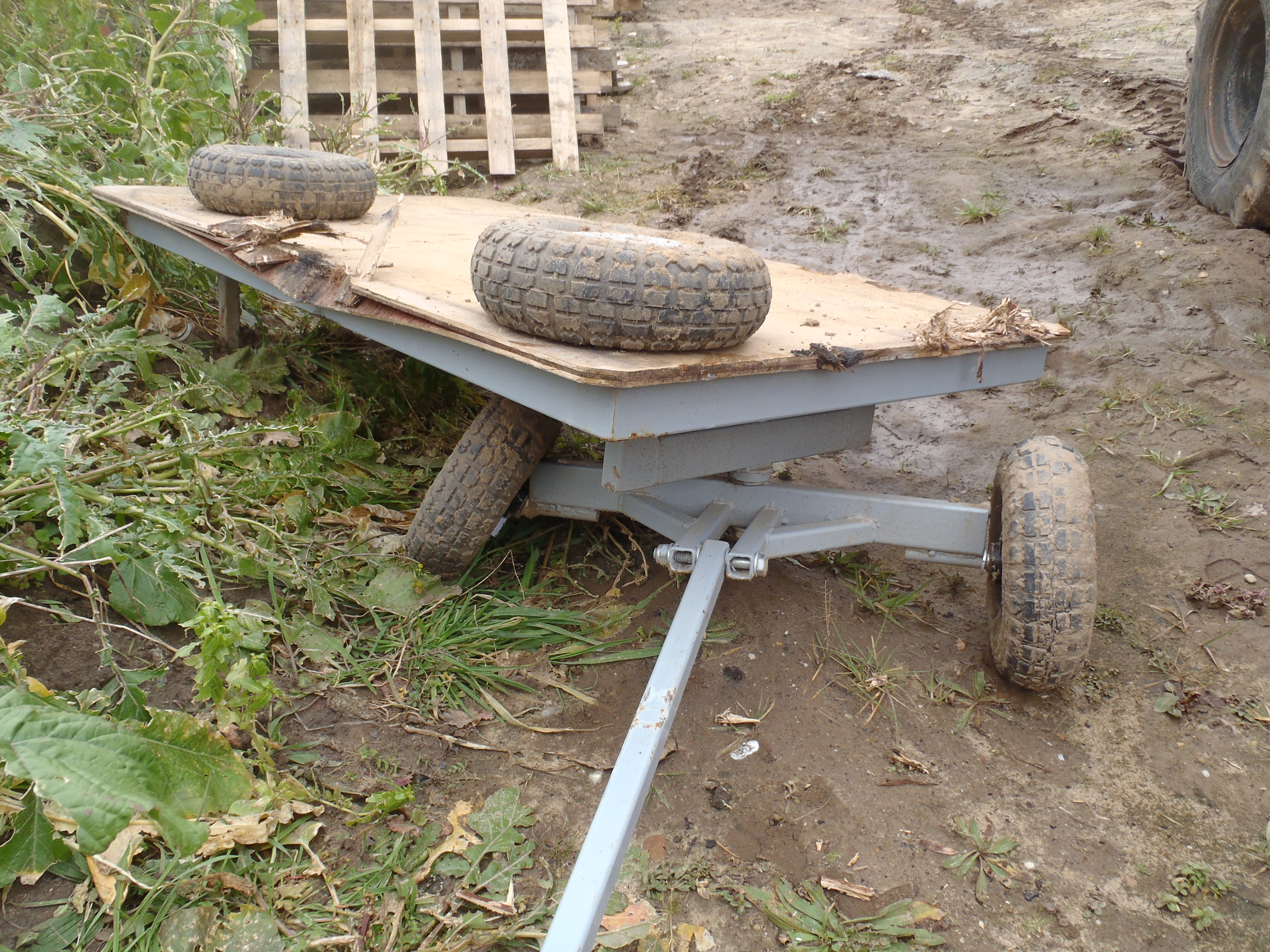
    Stephen repaired the mini trolley on Thursday afternoon and this Morning. The rear wheels were completely broken and the axles bent badly. The front wheels which had been already reinforced (after being bent while moving a load of concrete blocks – 13 of fat ones!) survived but the axles were bent as well.

    The bent axles were cut off and replaced, then the new metal was painted. The broken edges of the plywood top were trimmed off.

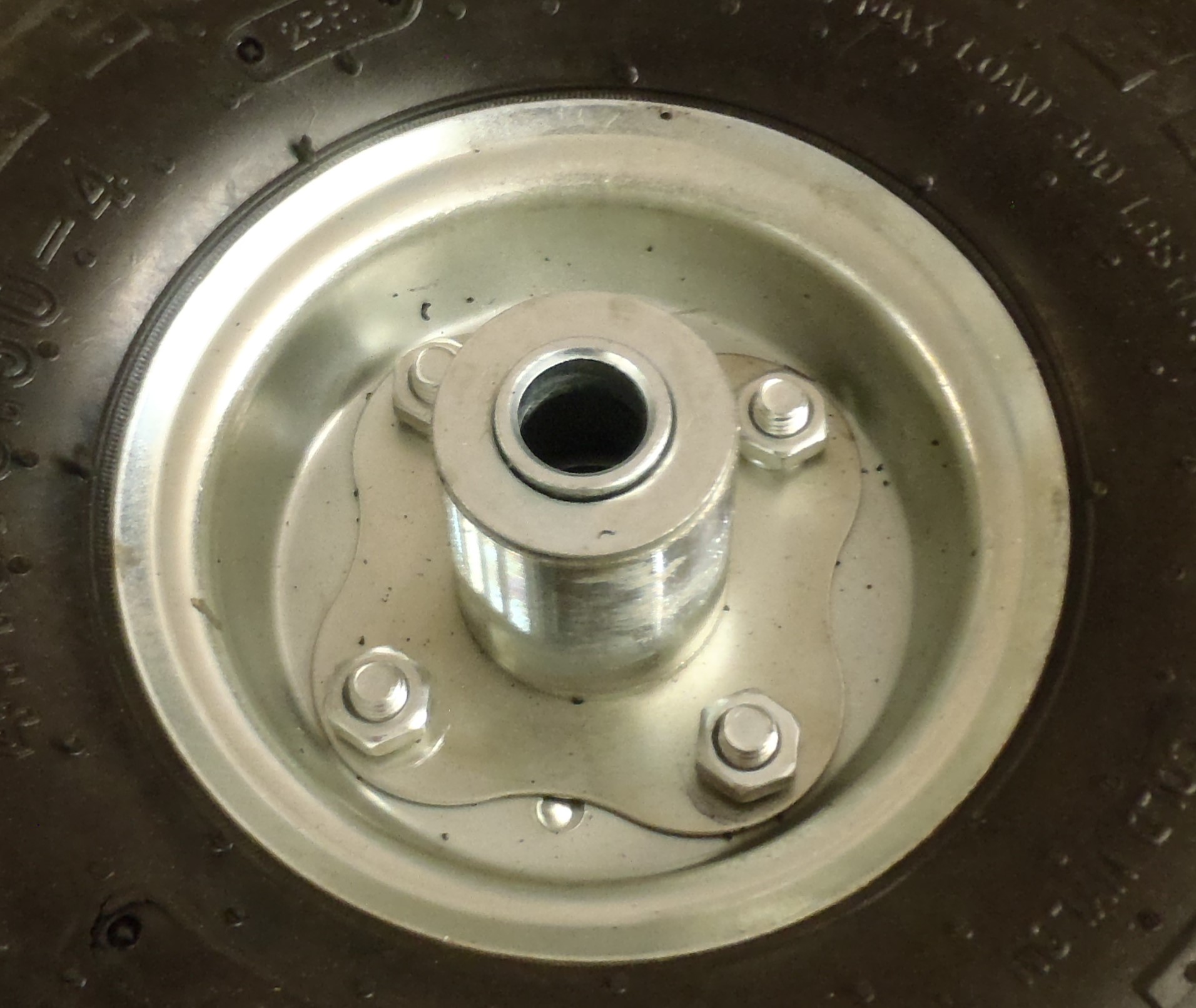
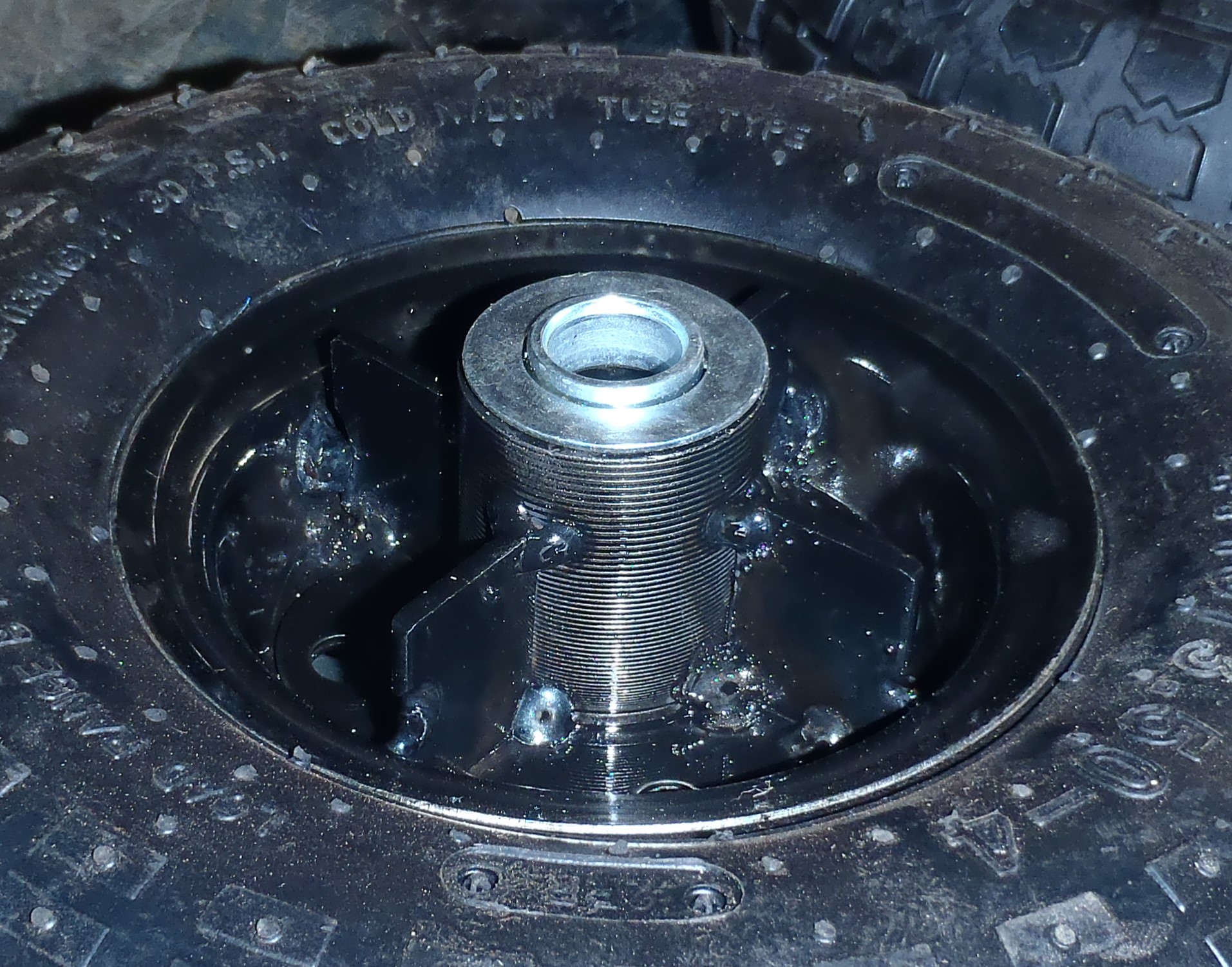
    We bought two new wheels (which were re-enforced by welding 4 struts from the central hub to the disc and rim, see pictures) for the rear wheels.

    Then everything was re-assembled and the trolley was good as new!

    Small-Trolley-Wheel-Before

    Small-Trolley-Wheel-Before

    Small-Trolley-Wheel-After

    Small-Trolley-Wheel-After


  • Concrete Vibrator

    We use for the first time, our new tool! It is a vibrator to help settle the
    concrete down and knock out any pockets of air. It is very noisy but really
    does the job!

  • Mini Trolley Met Big Bad Truck!

    OOPS! The dumper truck has just ran over our poor little platform trolley!

    We were reversing the truck to gain room and straighten up, in order to move
    the load of concrete blocks that has been sitting in the skip for the last
    few days.

    We had been using the mini trolley to transport a few blocks at a time
    because the dumper truck’s starter button wasn’t working (see (see Dumper Truck Repaired) and we parked the trolley back
    over near the concrete blocks behind the truck!!

    Run-Over-Trolley-3

    Run-Over-Trolley-3

    Run-Over-Trolley-1

    Run-Over-Trolley-1

    Run-Over-Trolley-2

    Run-Over-Trolley-2


    It was amazing that the dumper’s huge tyres didn’t really feel anything and
    actually rode over on top of the trolley and of course completely flatten
    it!! Three of the wheels are now rather bent, two of them completely broken
    off the trolley, but it seems that the basic framework is still in good
    shape (literally!) but we will see when we bring the poor thing into our
    garage for a closer inspection!