Author: Stephen

  • Another archaeological dig ….

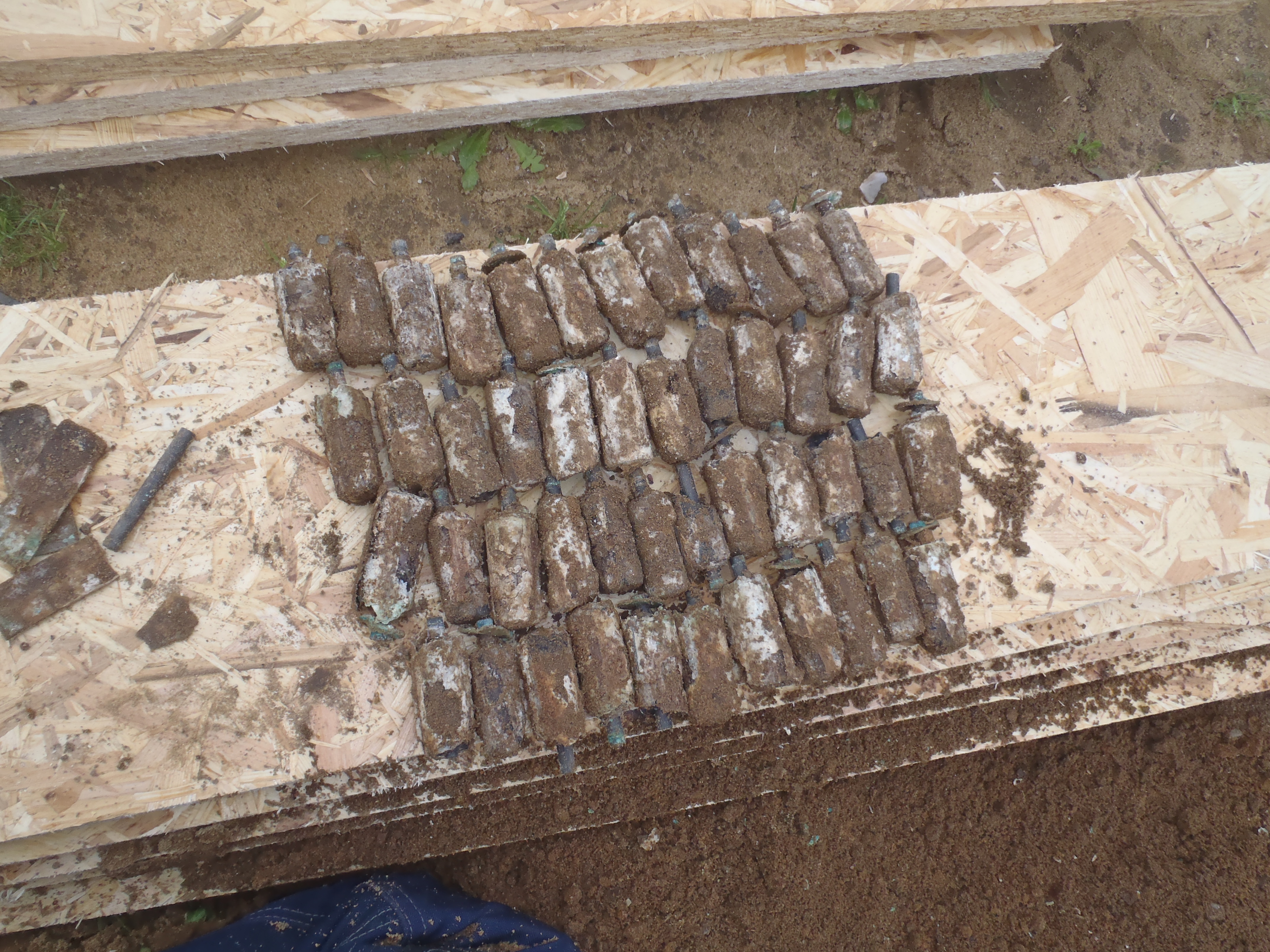
    While digging for the entertainment room shuttering we found a great heap of old batteries, more than 40! We think these where part of battery pack to power a ‘portable’ VALVE radio from the 1950’s.

    A-lot-of-old-batteries

    A-lot-of-old-batteries

    The metal casing’s for the batteries had eroded away completely.

  • Drawing house outline in powder

    We used the newly placed batter boards to string out and mark (with cement/plaster powder) the outline of the house and all the ground floor rooms. The marked line s are the center of their respective walls. View the video to see a 64 times speeded up video of the work.
    The rooms are (top to bottom, left to right) are

  • Great Room
  • Kitchen, Bedroom 1 (Shaun’s),
  • Hall and Stairs, Cloak room (with linen cupboard), En-suite 1, En-suite 2,
  • Entertainment, Cupboard 1, Bathroom, Bedroom 2 (Stephen’s)
  • Cupboard 2, En-suite 3
  • Utility, Bedroom 3 (Daphne’s)
  • Digger drips oil

    While digging the hole for the first energy module today, we noticed that there were splashes of oil on the digger’s tracks and the ground nearby. It looks like we have sprung a leak somewhere in the hydraulic system!
    After lunch whilst Shaun was removing the excess sand from the bottom of the hole, Stephen started investigated the source of the leak.
    The oil was coming from a hole under the right rear of the machine and after removing a couple of body plates you could see some pipes covered in oil. After cleaning them the digger was started and operated for a short while and the pipes were inspected again and there was no new oil! Further investigation revealed one of the pipes was the overflow from the hydraulic oil tank (which we has topped up a week ago). So we think the oil drips were just the tank being filled too much and overflowing!

  • Dug out Pipe 2 Trench

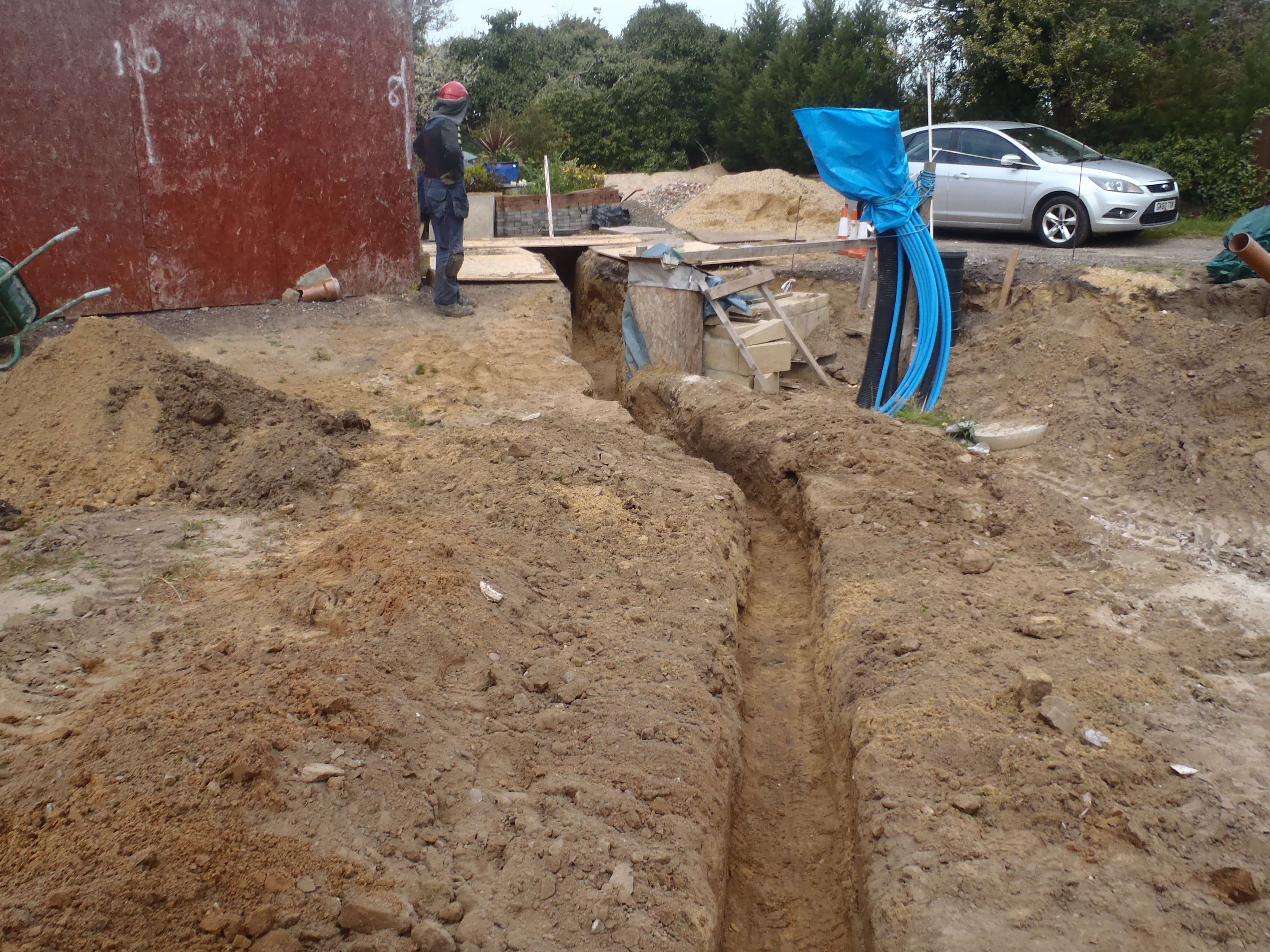
    We have dug out the trench for the second sewer pipe today. We dug most of it by hand as it was shallow and easy to dig. We stopped when we realized we needed a 15 degree bend in the pipe and we only had 11.5 and 22 degree bends in stock. Stephen went and purchased the bends while Shaun went out to see a client.

    Second-pipe-run-dug-out

    Second-pipe-run-dug-out

  • Big Trolley repainted

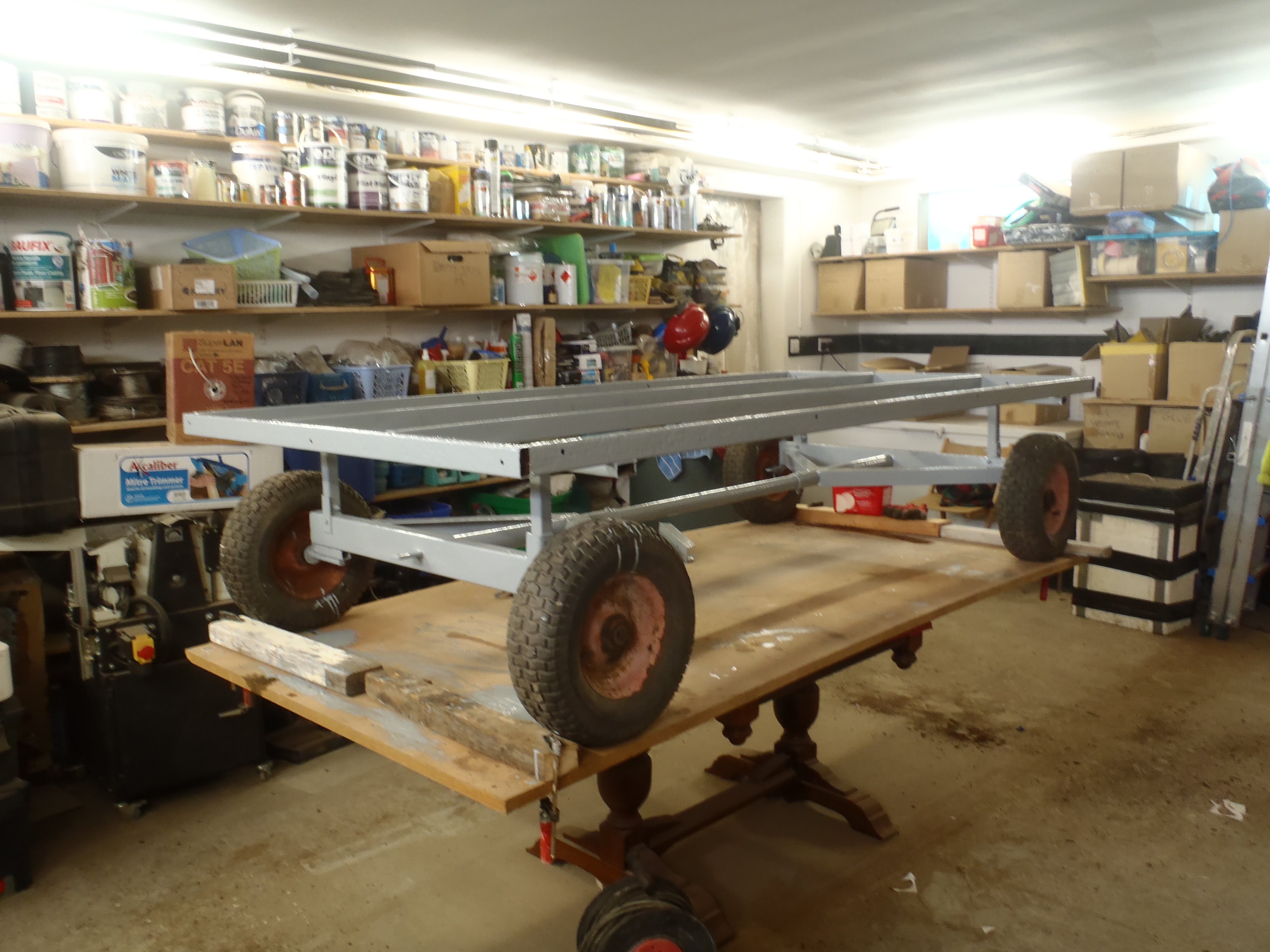
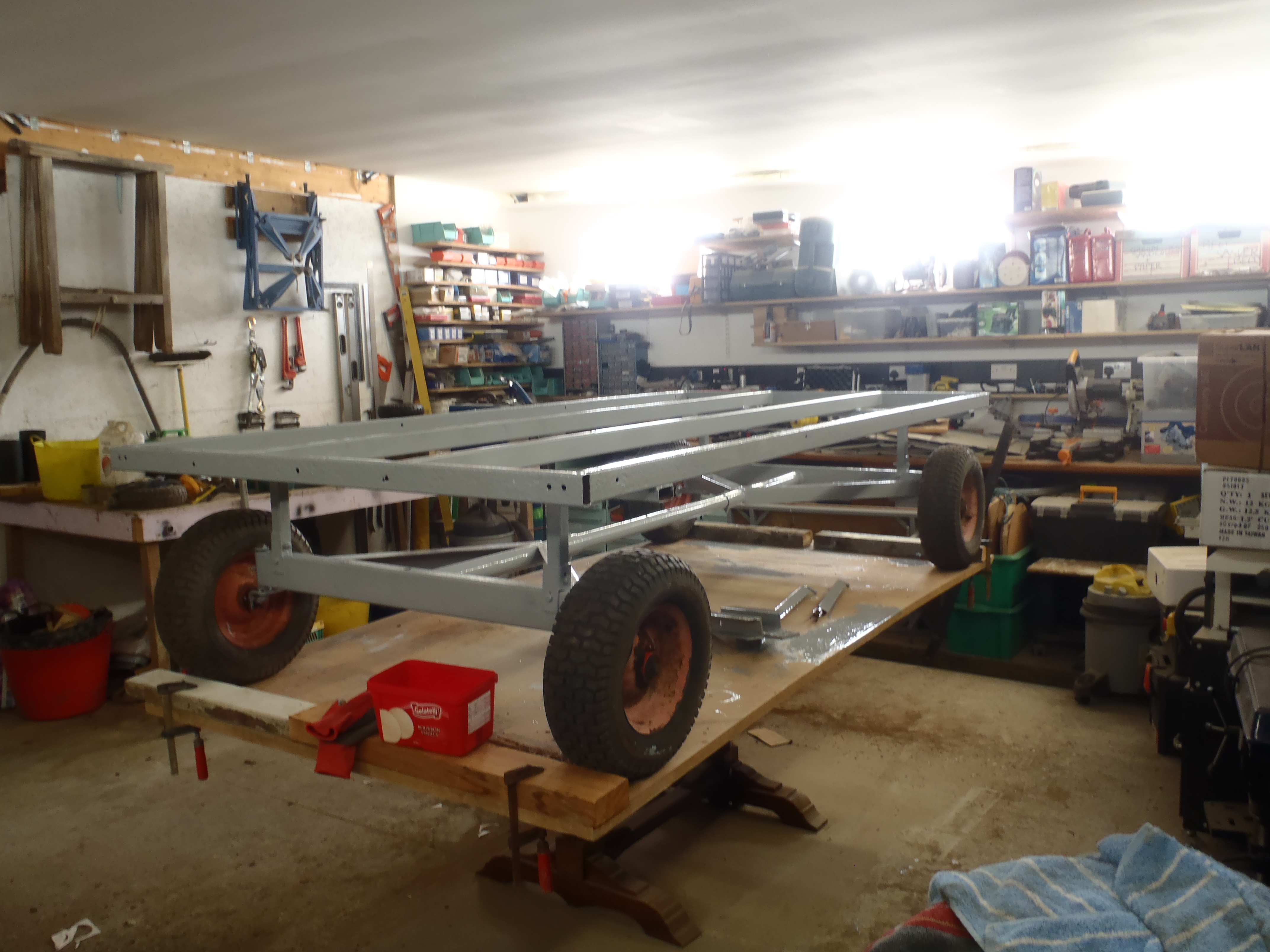
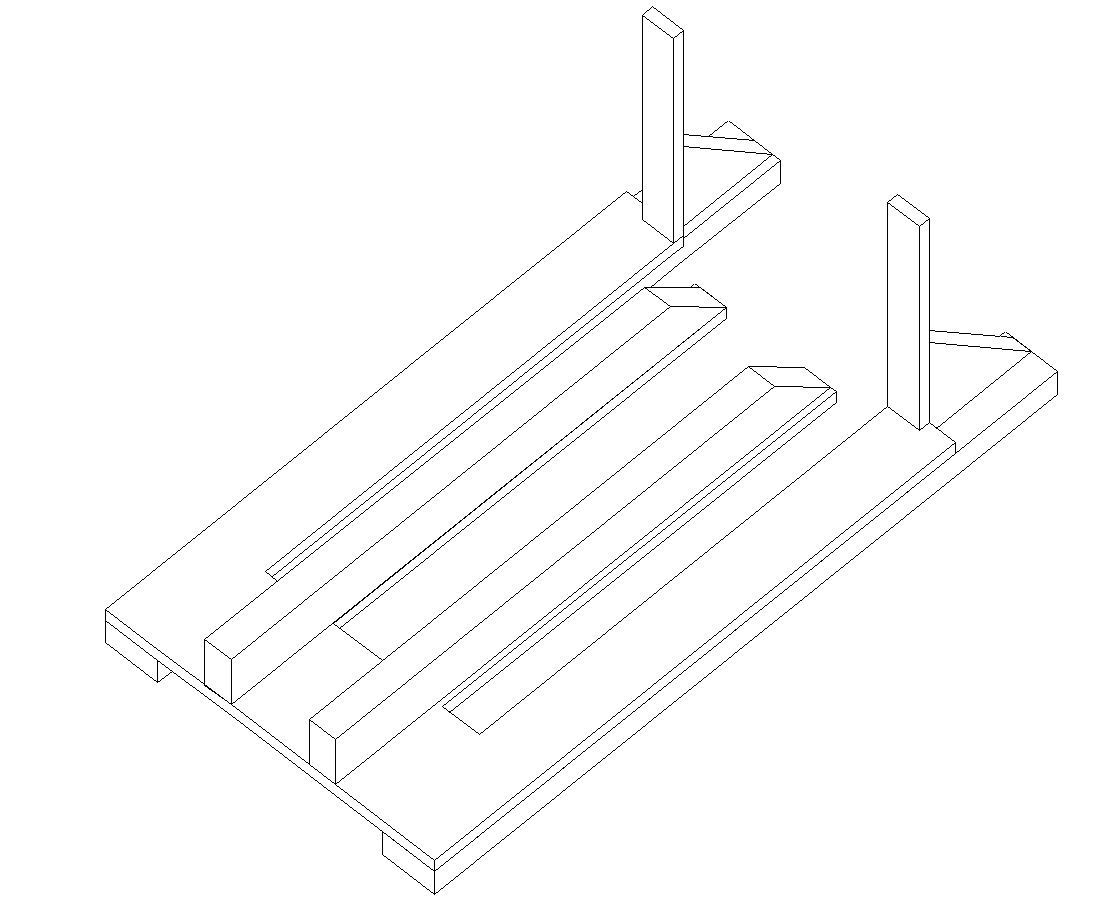
    We bought a big hand trolley (2.4 m x 1.2 m, 1000 kg load)  back in 2002, and have used it extensively since. The steel frame has been desperately in need of a de-rust and repaint for a few years now! When we had finished using the trolley as the base of the soil sifter, we removed all the wooden framing and platform and started to remove the old paint and rust with a wire brush on a angle-grinder (this was in December last year) and then we left it in the workshop until today.

    We finished wire brushing and cleaning it this morning and then painted it this afternoon (we will probably only give it one coat as it really was very rusty and will need to have the platform support frame replaced in a few years (if we don’t discard it as no longer needed)).

    Large-Trolley-Re-Painted-2

    Large-Trolley-Re-Painted-2

    Large-Trolley-Re-Painted-1

    Large-Trolley-Re-Painted-1


  • Mini Trolley Repaired

    Stephen repaired the mini trolley on Thursday afternoon and this Morning. The rear wheels were completely broken and the axles bent badly. The front wheels which had been already reinforced (after being bent while moving a load of concrete blocks – 13 of fat ones!) survived but the axles were bent as well.

    The bent axles were cut off and replaced, then the new metal was painted. The broken edges of the plywood top were trimmed off.

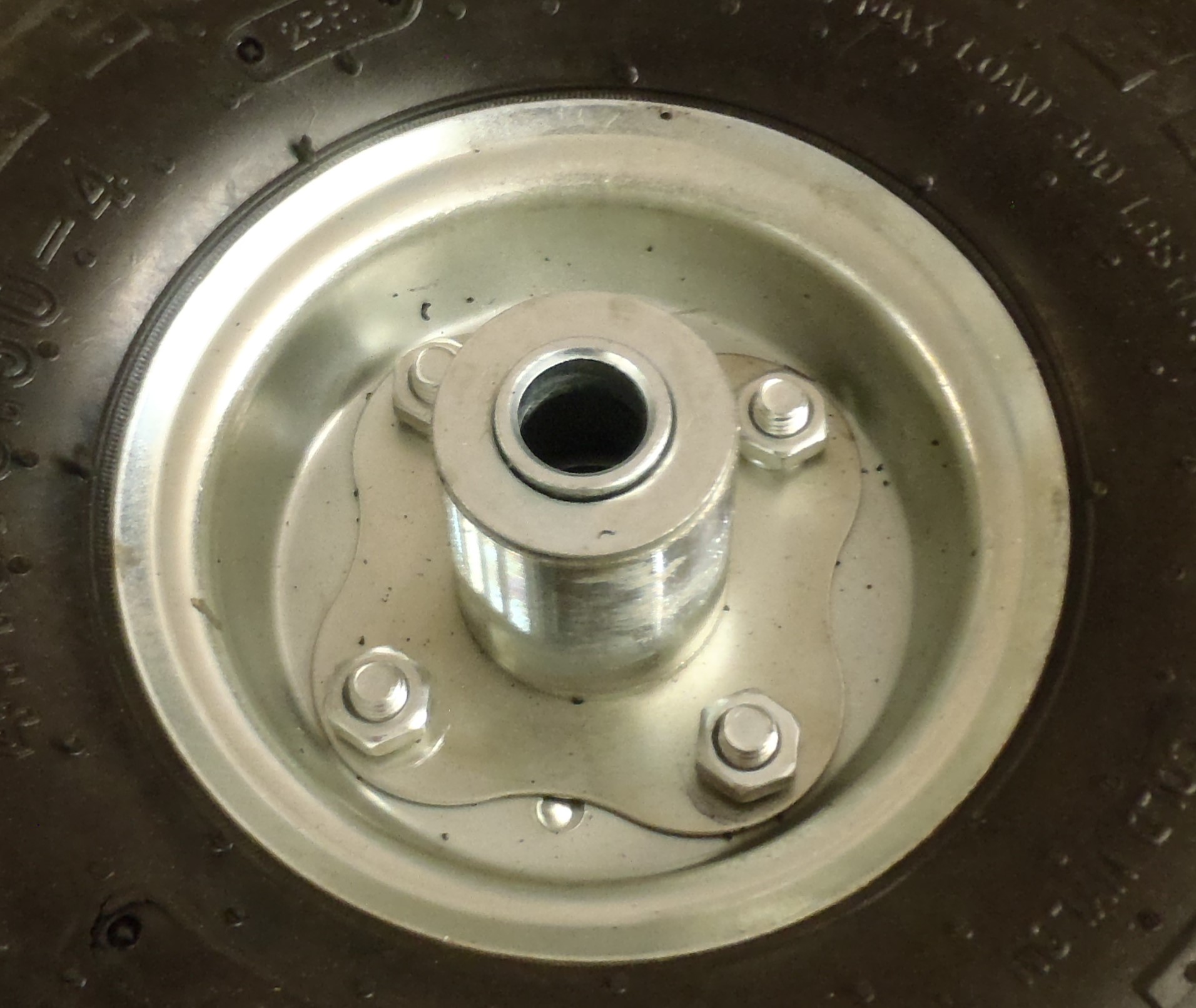
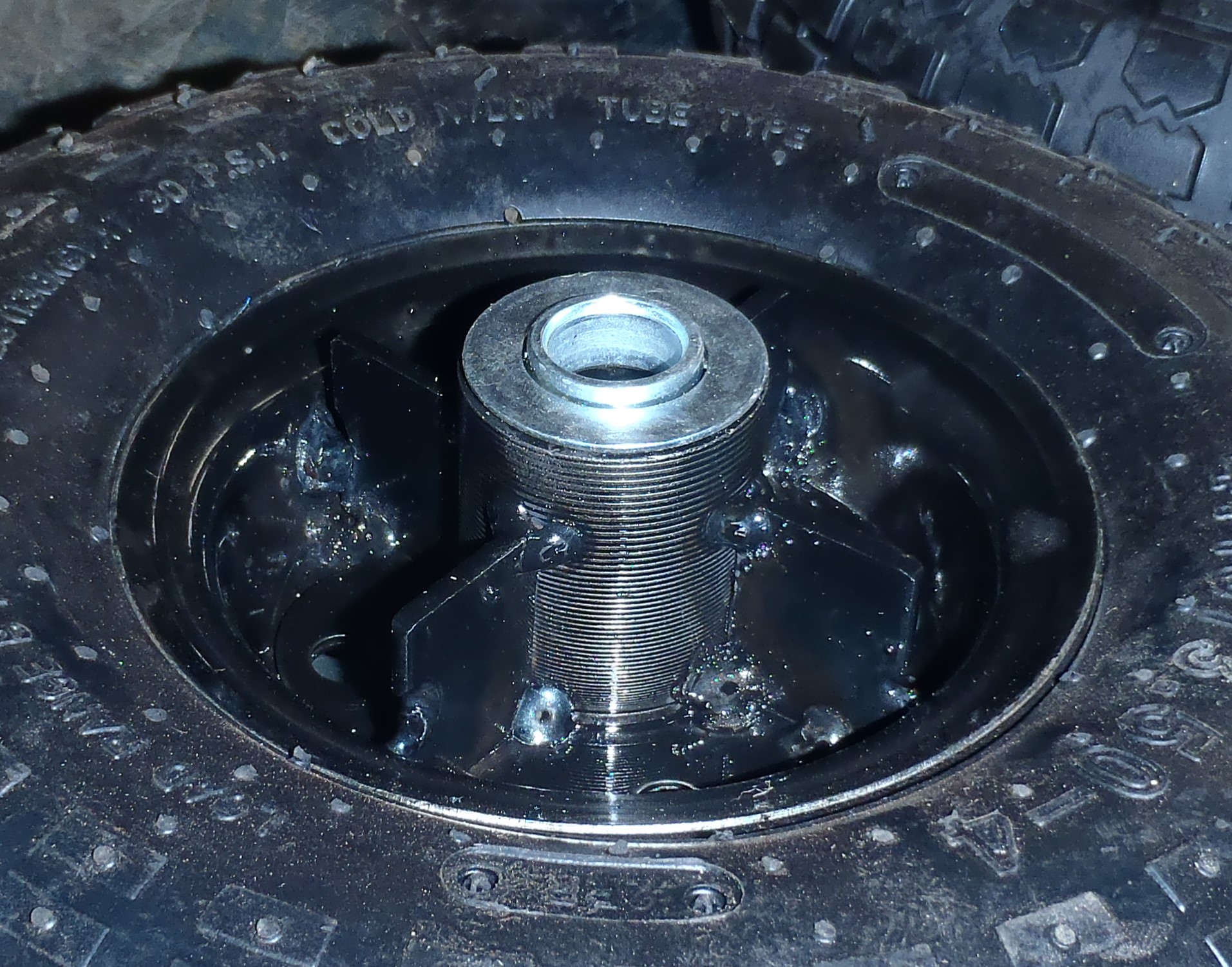
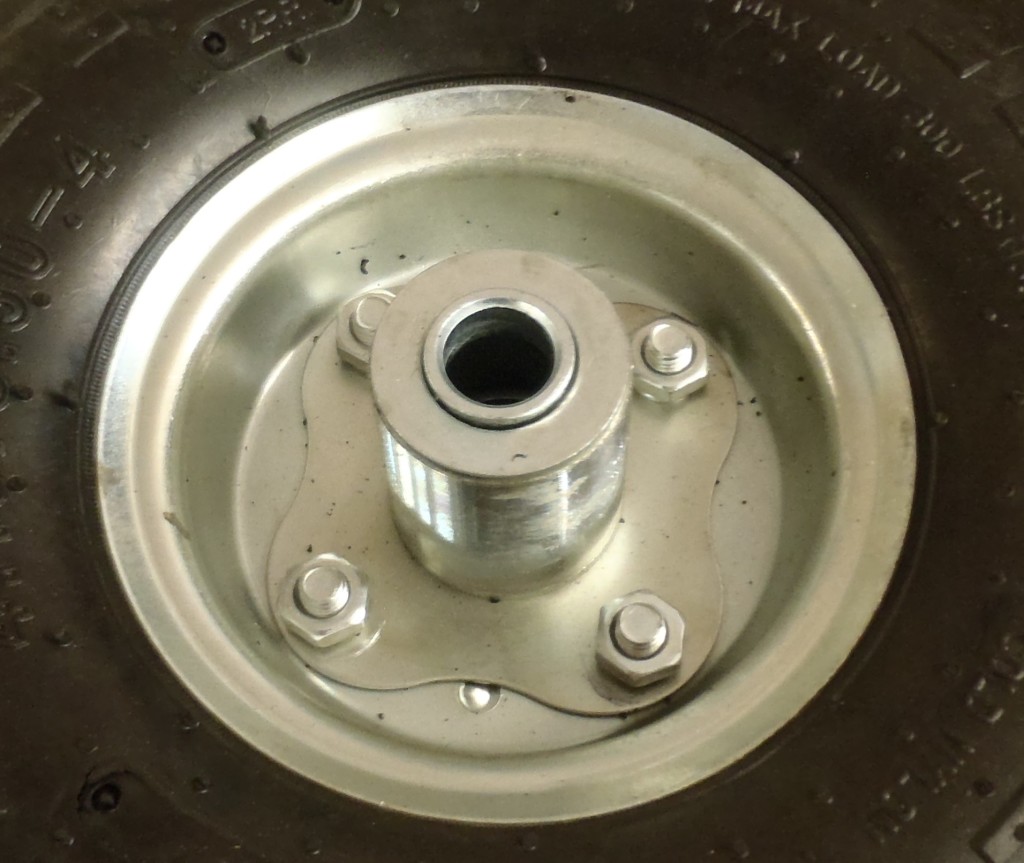
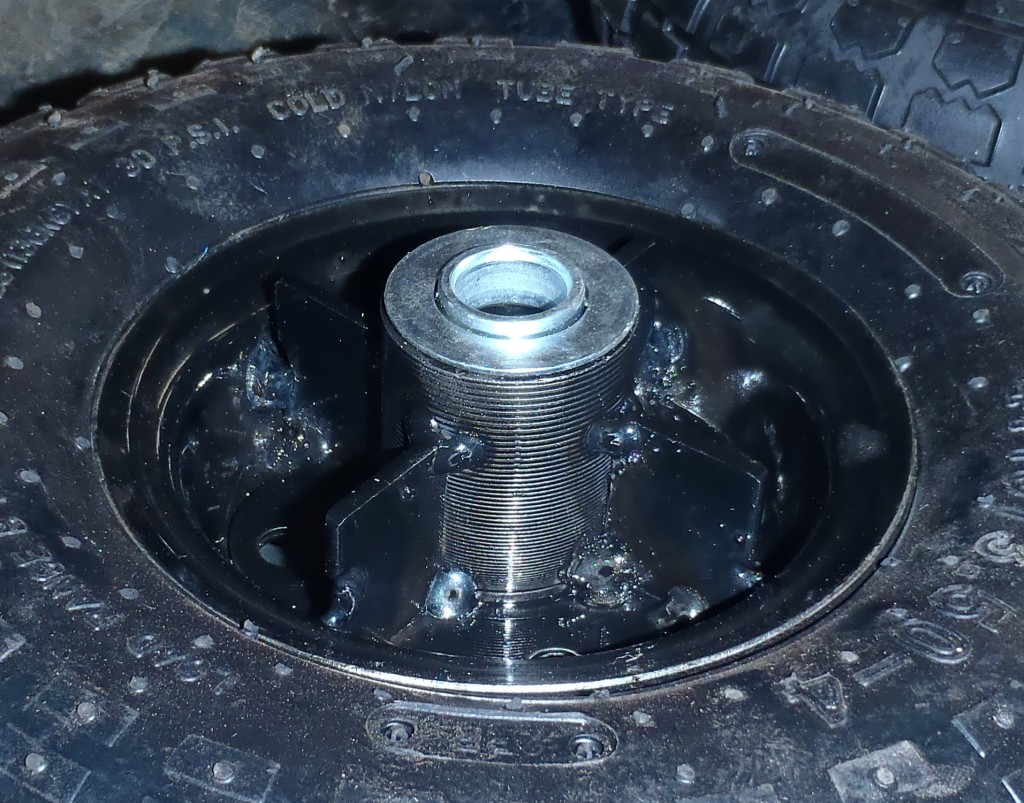
    We bought two new wheels (which were re-enforced by welding 4 struts from the central hub to the disc and rim, see pictures) for the rear wheels.

    Then everything was re-assembled and the trolley was good as new!
    Small-Trolley-Wheel-Before
    Small-Trolley-Wheel-Before

    Small-Trolley-Wheel-After
    Small-Trolley-Wheel-After


  • Made a mortar application tool.

    We have made a tool to speed up applying mortar to top of the block for the next row. This is slightly complicated in that there are only narrow rims on the blocks to put mortar on and large holes to fall into. An additional complication is the Re-bars running up the center of each hollow, so the tool had be open ended to allow use without having to lift over the top of every bar.

    The tool provides two slots a front and back to fill with mortar and trowel off level with the sides, this gives a fixed mortar bed of 12 mm. The spacers continue up the face of the previous block on the row to provide a per-pend joint.

    Home-made-mortar-application-Tool

    Home-made-mortar-application-Tool

    Mortar-Tool-On-blocks

    Mortar-Tool-On-blocks

    Mortar-Tool

    Mortar-Tool


  • Shaun has burned his knees with Concrete

    While we were laying the concrete, we were occasionally kneeling on the wet concrete. Shaun was working on a particularly wet part and the concrete soaked through his knee pads (which are pretty much waterproof in normal usage). The concrete is quite alkaline and over time burned Shaun’s skin over his knee’s. He noticed they were feeling sore and I advised him to go and change clothes and wash off the concrete. He washed and changed and returned to work. At the end of the day it was obvious that he had burned knees quite badly.

    Shauns-Cement-burned-Knees

    Shauns-Cement-burned-Knees

    We treated the burns with Alovera Gel and bandaged them.

  • Submitted House design to Building Control

    We went into Great Yarmouth this afternoon and handed over the package of our construction plans and structural calculations to our new Building Control inspector Kenny Brown.

    The package contained 27 pages of A3 drawings, 20 pages of a summary and overview of the project and 150+ pages of calculations!

    Now we can start work on the preparations like the site clearance etc.

  • Structural Calculations with the Engineer

    Finally, the structural calculations I have been performing over the last year have been submitted to our structural engineer. Paul Burrell visited us this morning
    and I handed the calculations over to him. He seems impressed with the amount of work I have put into them…. Now we will have to find out if I have done them correctly.
    It has been a long journey of discovery and learning, followed by a lot of calculations and drawings. The final report contains 168 pages and 20 A3 drawings!