Category: Orders and Procurement

  • Taking Measurements and Getting Quotes for our Triple Glazing Windows in Skylight

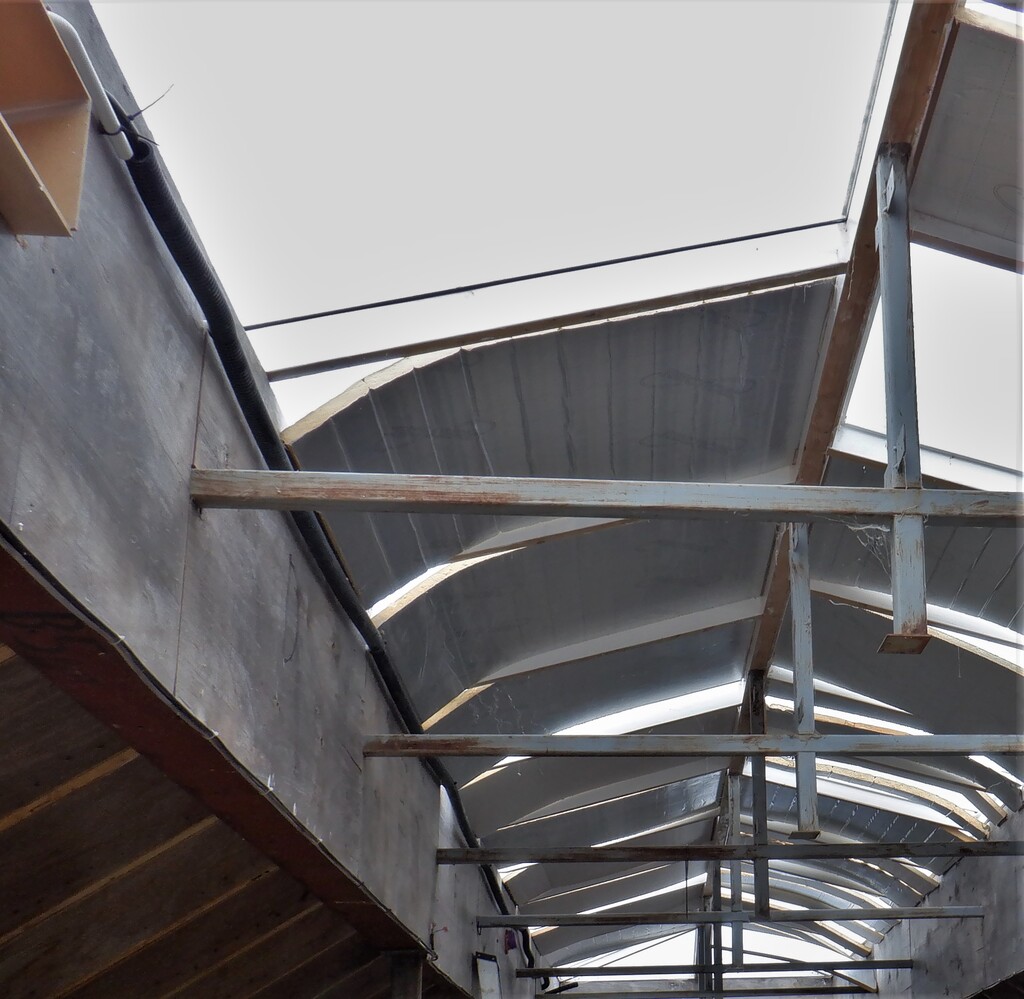
    We spent the last three days measuring all our Skylight windows so that we can send off for quotations for creating triple glazing units. Now that we have built our new working platform, it meant that we could get the whole job done in one go without interruptions.
    We decided that we would use lots of thin insulation boards that we had left-over and proceeded to cut a ‘template’ for each individual window in turn. We found some slightly thicker boards, measuring 40mm thick and also very flat as well, so we could test to how easy, or difficult, it was in moving the template into place, avoiding the various obstacles like the steel cross ties etc.
    The proposed triple glazing units are currently selected to be using 4mm thick glass panes with 16mm cavities which makes an overall 44mm in depth. Our 40mm template is a good size to test the installation of the real thing later on, the heaviest glazing unit being at around 40kg each.
    Happily, we can report that all 22 windows passed this particular test with flying colours!
    Another reason for using a thick foam board, is to also find out to how ‘flat’ our wooden framework is up there in our Skylight that we built all those years ago. The PU foam material is quite stiff and we can detect whether the pseudo glazing unit template sits rock steady or wiggles.
    Generally speaking, the majority of each window hole was pretty damn close to being flat and we will be able to get away in using only 3mm or 5mm thick sticky foam tape for the first stage of sealing the units into place. Only one window had a serious wobble, caused by a break in our framing timber. We will have to do some tidy up of the joint and recondition it so it is back to the same original coatings of fibre glass resin.
    After the 40mm foam was close to the right size (fits with a little ‘slop’), we made a copy onto 20mm foam and measured and labelled it and inserted it into the skylight. It was quite slow in getting each window done, we didn’t want to rush it as it will cost many £1000s for the windows, especially the triangular ones, four of them at each end of the Skylight.
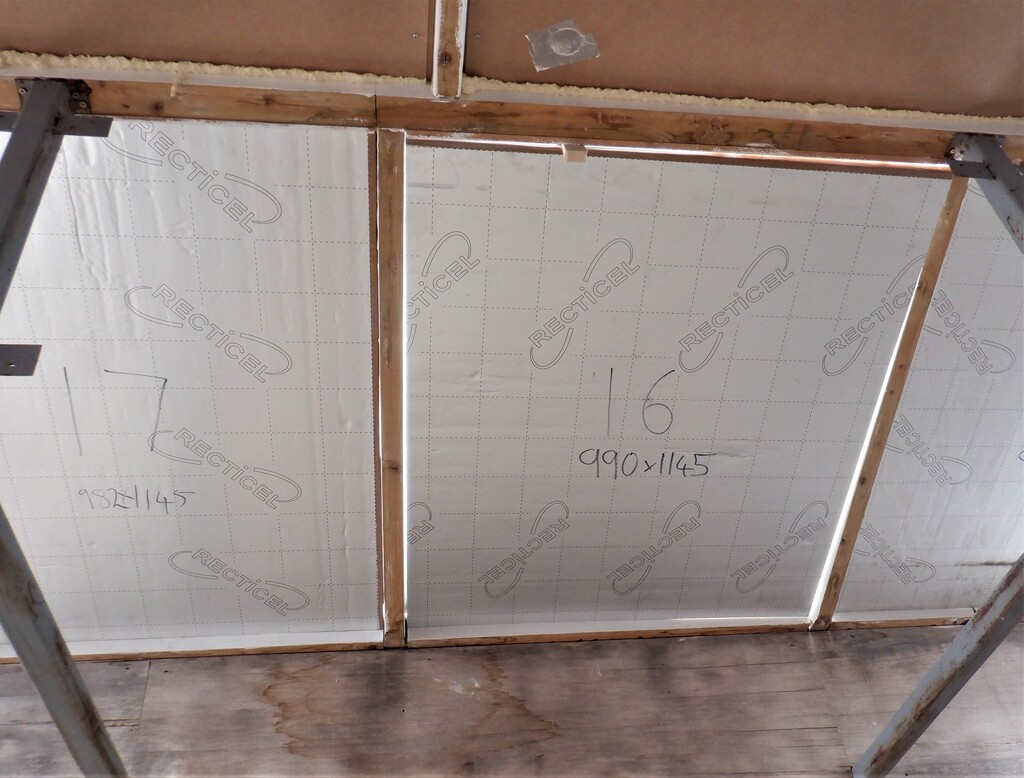
    Each template is numbered & measured

    Each template is numbered & measured

    The list of our windows breaks down into these quantity and approximate sizes:

    • Great Room: 4 triangles measuring about 1150mm high by 1100mm wide and 2 rectangular – 1120mm high by 1190mm wide
    • Sitting Room: 5 rectangular – 1120mm high by 966mm wide
    • Stairs/ Hall: 2 rectangular – 1150mm high by 750mm wide (one of these is a special shape!)
    • Study: 2 rectangular – 1145mm high by 1066mm wide
    • Work Room: 3 rectangular – 1145mm high by 996mm wide 4 triangular ? about 1140mm high by 1110mm wide
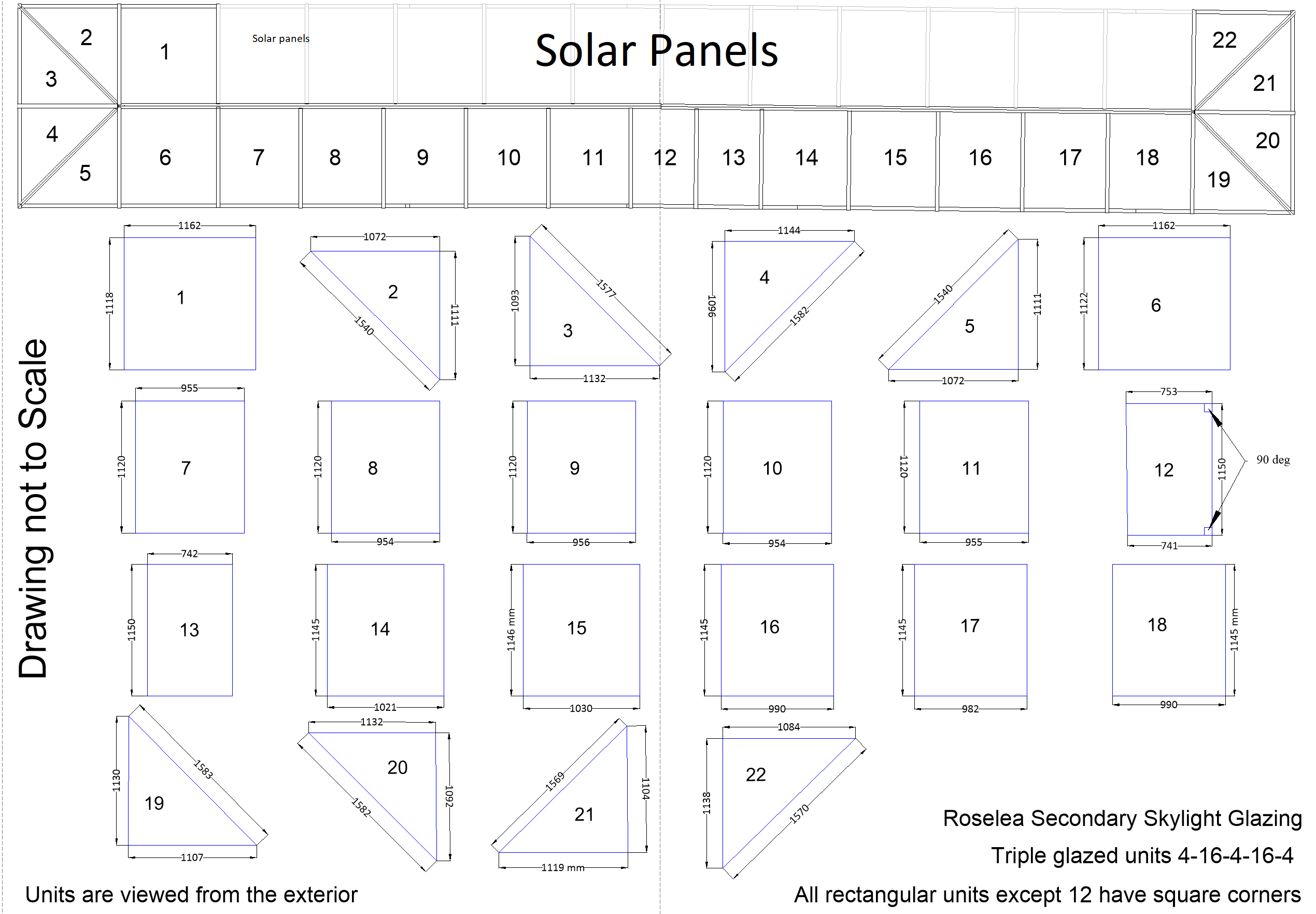
    Skylight glazing

    Skylight glazing

    To measure the triangular templates we created a tool from aluminium bars which could hold against all 3 sides and measure the correct size of each edge (the foam is too soft/crumpled to measure directly)
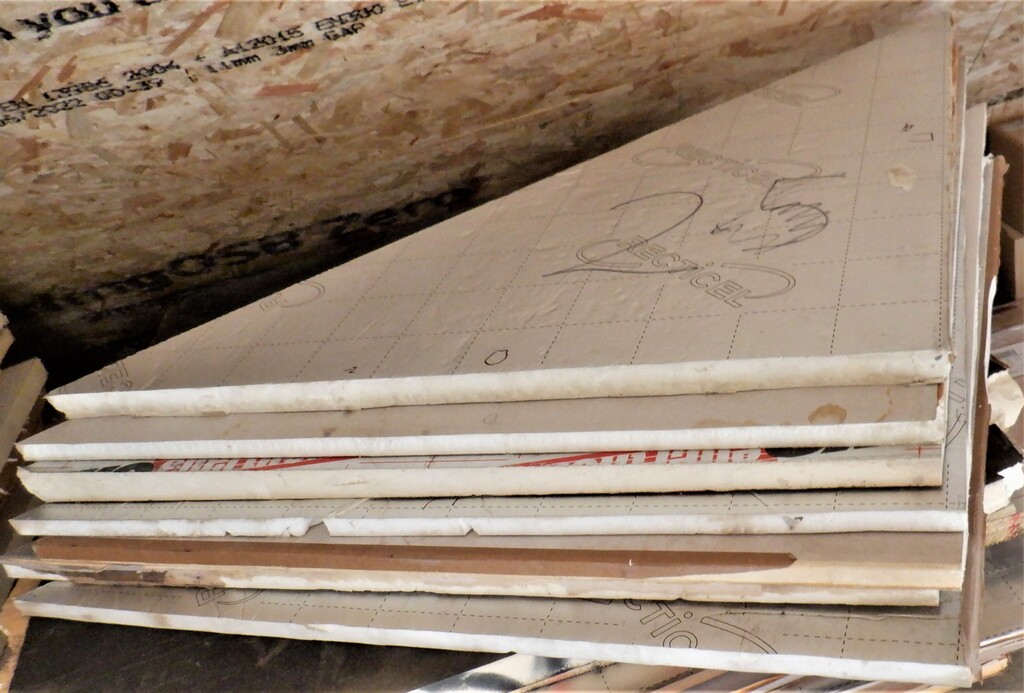
    The Triangle Templates
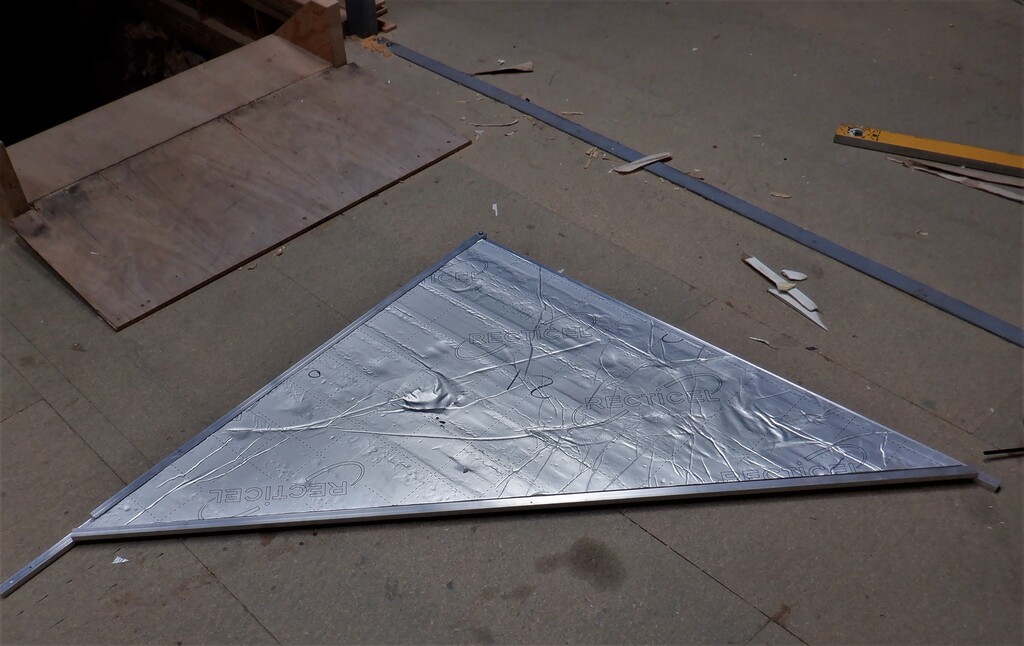
    The Triangle Templates

    Measuring Triangles 1
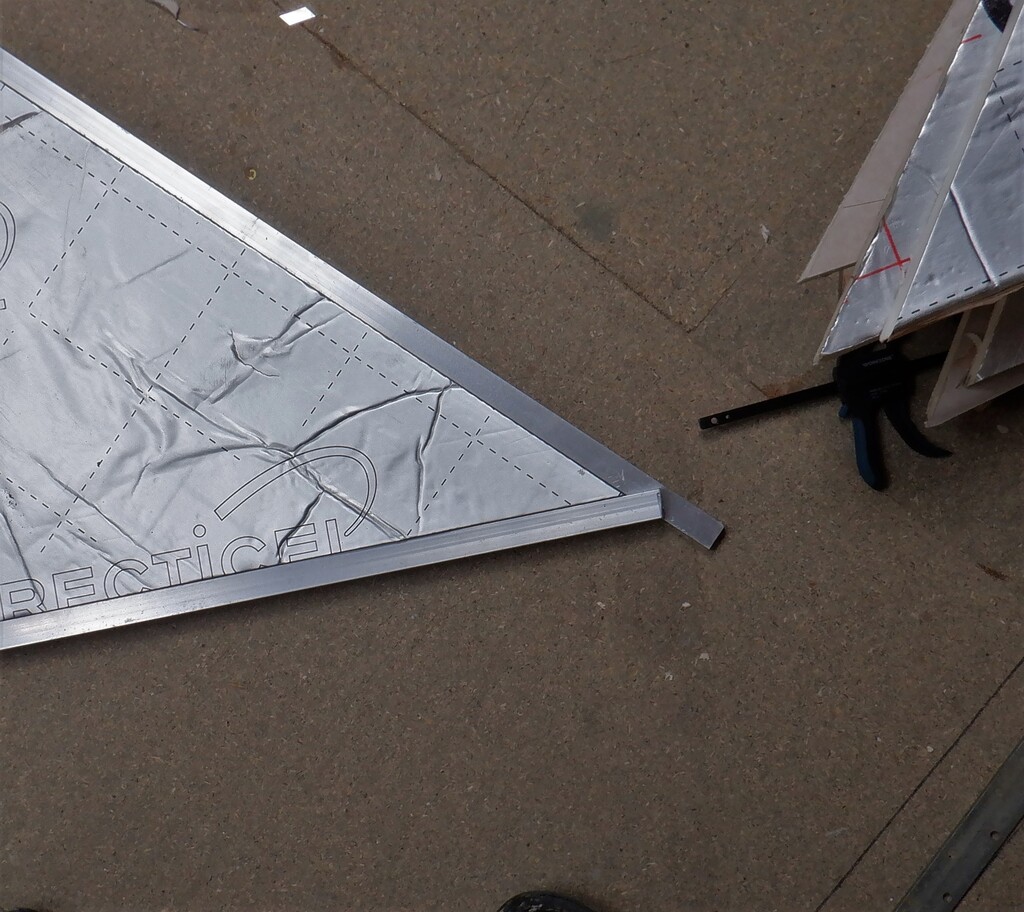
    Measuring Triangles 1

    Measuring Triangles 2

    Measuring Triangles 2


    We have sent a request for a quote off to our local manufacturer, based in Norwich. We wait to see what they can do.

    We have requested that the outer pane of glass is treated with the infra-red reflective and absorbing treatment so we can reduce the sheer amount of heat that we get during the Summer months! Hopefully, it won’t be too expensive. We will have to have safety glass in one way or another but we may be able to have a lowest pane to be laminated and the other two higher panes can be ordinary glass, to save money of not having it made with toughened glass. We now wait and see ! This expenditure will be the last major outlay for the basic building structure and materials.
  • The Final String of Solar Panels and Equipment Ordered and Delivered

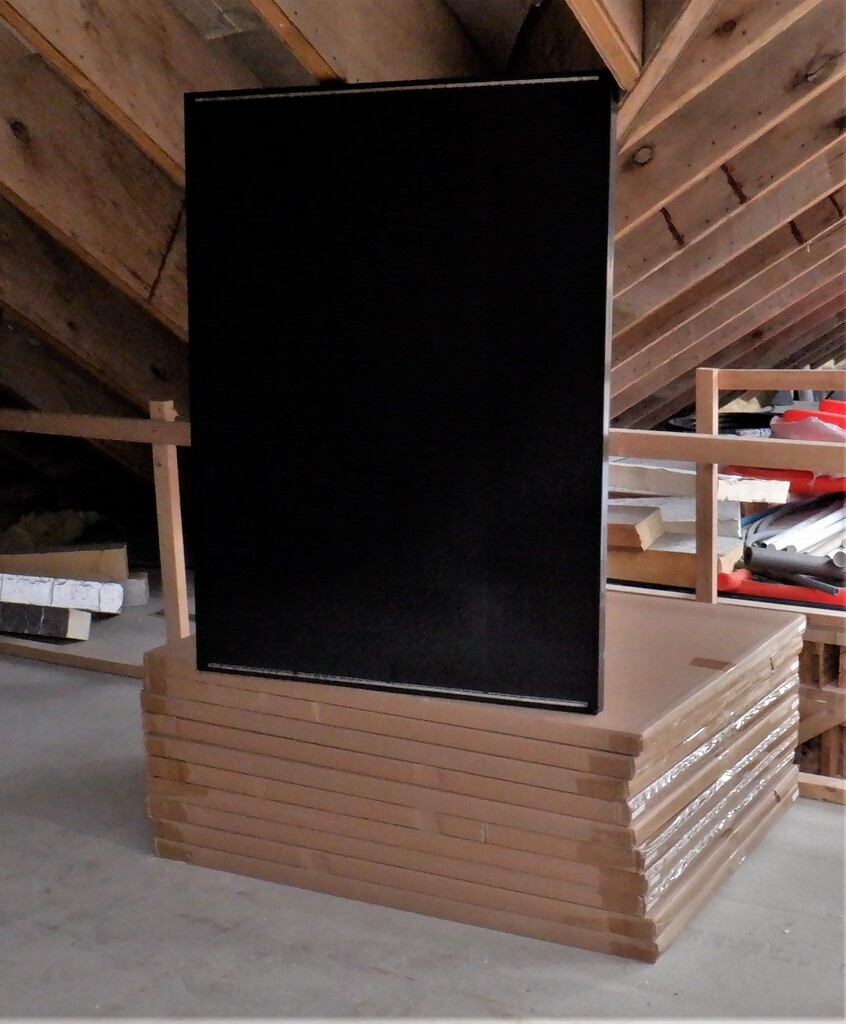
    We have been hunting around for a suitable Solar Panels to fit up inside our Skylight for the last couple of months and finally have discovered a particular source that is fairly close to the required size of 1200mm by 1030mm. Of course, when we had designed our Skylight ten years ago, we had the bright idea of building our own solar panels by buying the actual silicon wafers themselves and assembling them into a flat grid to capture the sunshine etc. because the price of the factory built panels were very high in those days. But in ten years, the price has fallen off the cliff like a large rock and it no longer made any practical sense to make our own ones when we could buy a fully working panel for peanuts! But because of economies of scale these smaller 200W panels cost more than the more popular 400W large panels!

    The Final String of Solar Panels and Equipment Ordered and Delivered

    New-panels-for-skylight


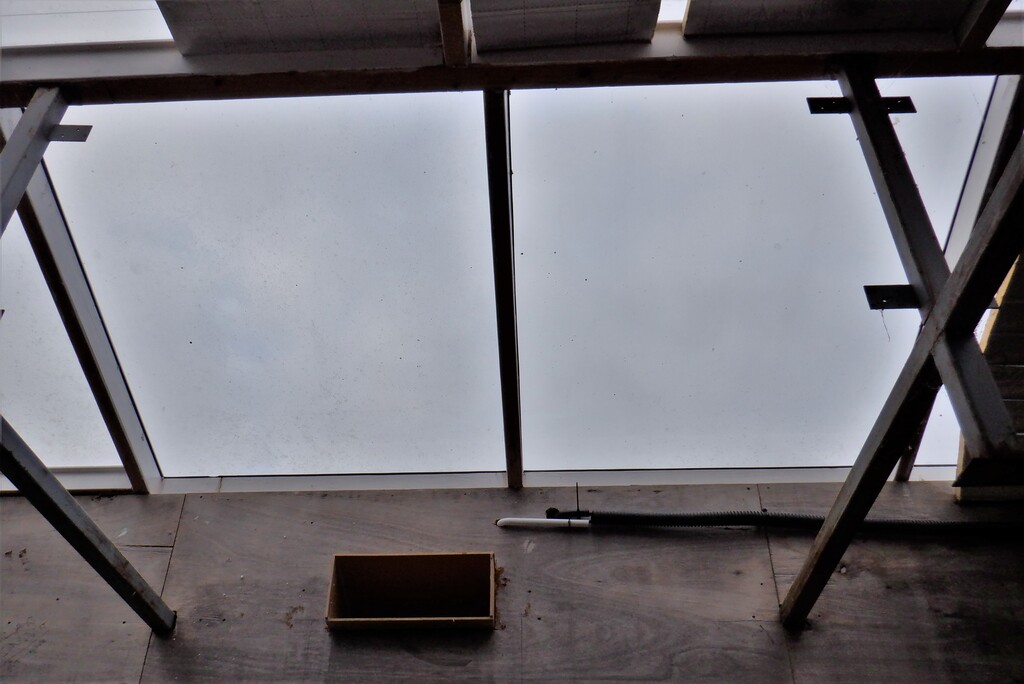
    These panels are the closest we could find to fit our windows but there is a narrow strip where it doesn’t quite cover the transparent part of the window. We will just fill in the gaps with insulation foam board pieces.
    We have ordered eleven panels for our eleven windows, each generating around the nominal 200Watts so that means another 2200Watts of energy, to add to our solar system.
    The Final String of Solar Panels and Equipment Ordered and Delivered

    Fit-panels-into-these-gaps

    The Final String of Solar Panels and Equipment Ordered and Delivered

    Down-this-side-of-the-skylight


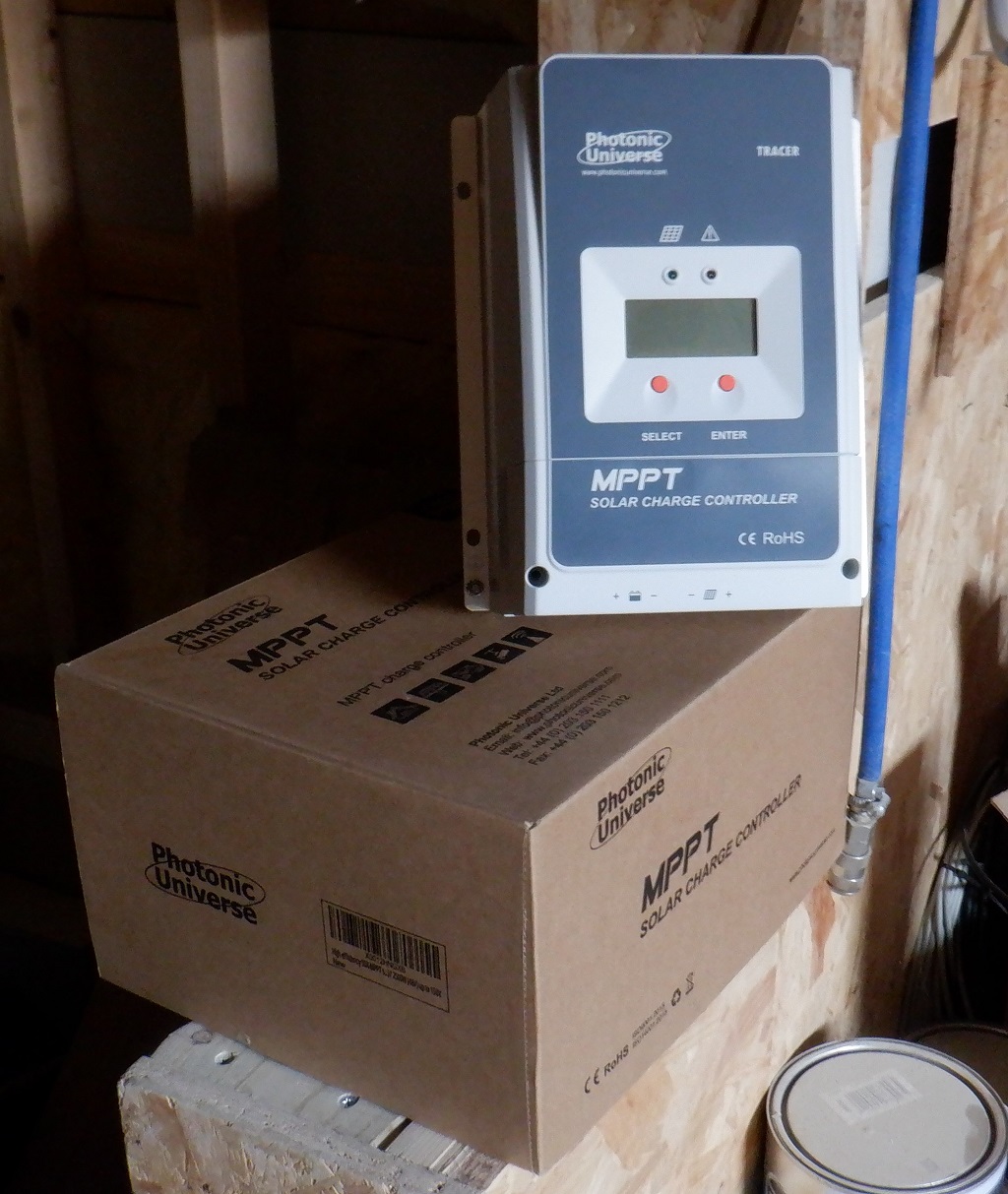
    To convert the Solar energy into suitable voltages for charging our battery packs, we bought two solar chargers, to produce either 12Volts or 50Volts. We can select which battery we would like to charge depending on whether it needs topping up or not.
    The Final String of Solar Panels and Equipment Ordered and Delivered

    Solar-charge-controllers


    We will connect the panels into 2 strings of 4 panels and 1 string of 3 panels.
    This concludes the purchasing of all our Solar Panels and equipment, completing our investment into going Green and trying to reduce our dependency on the incredibly high electricity prices.

  • Fermacell and Plasterboards Arrives

    Yesterday and today, both at 9am, saw the delivery of another major supply of building material, this time, the finishing wall and ceiling surfaces for our house. The fermacell is a high quality sheet material, made of gypsum mixed with recycled newspapers. The paper is shredded into tiny strands and mixed with the gypsum and compressed into a very flat 10mm uniformly think board, measuring 2400mm by 1200mm. We ordered 430 sheets which we calculate should cover all our walls and ceilings for all the ground floor and first floor rooms. We also ordered 96 sheets of the more traditional plasterboards, because it is less than half the price of fermacell and we are wanting to use the plasterboard sheets to make a heavy sound-absorbing layer in the construction of the first floor flooring. We will lay two sheets on top of rubber underlay or perhaps thin glass wool that will get compressed down by the weight. The main benefit is to isolate the flooring surface from the ceiling joists so much of the contact and airborne sounds will not penetrate down into the ground floor space.
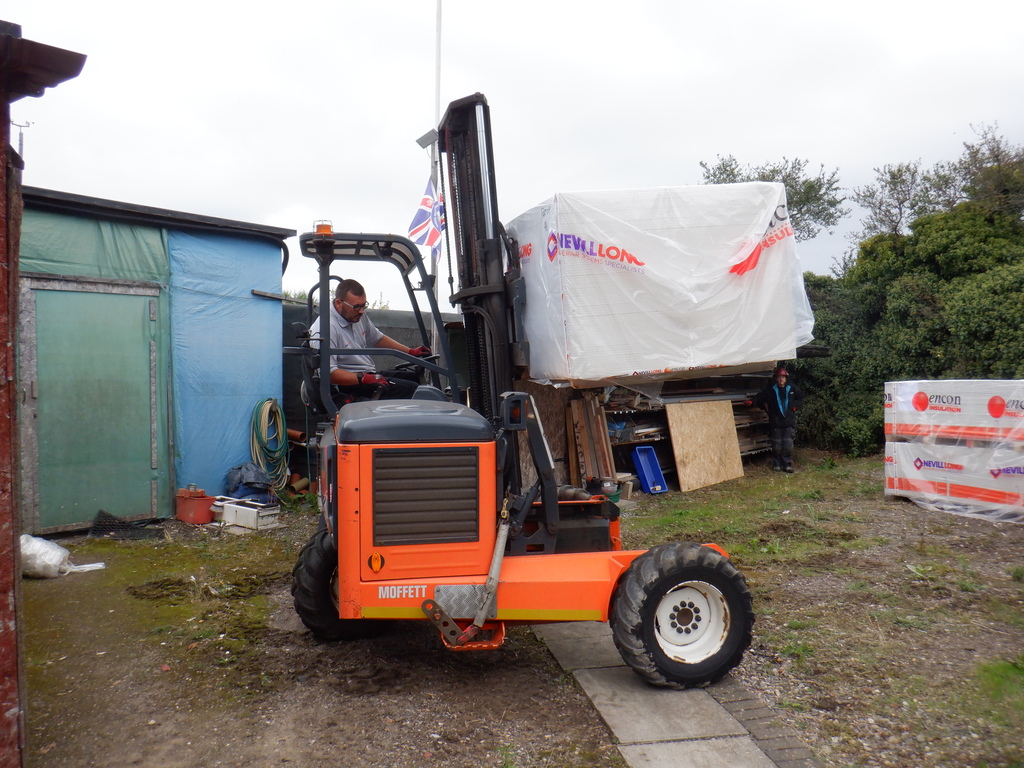
    The first morning saw the arrival of five pallets, all carried individually down the Loke on a neat little diesel powered fork-lift truck that came with the delivery lorry.

    Fermacell and Plasterboards Arrives

    Moffett-Forklift-in-action-delivering-Fermacell

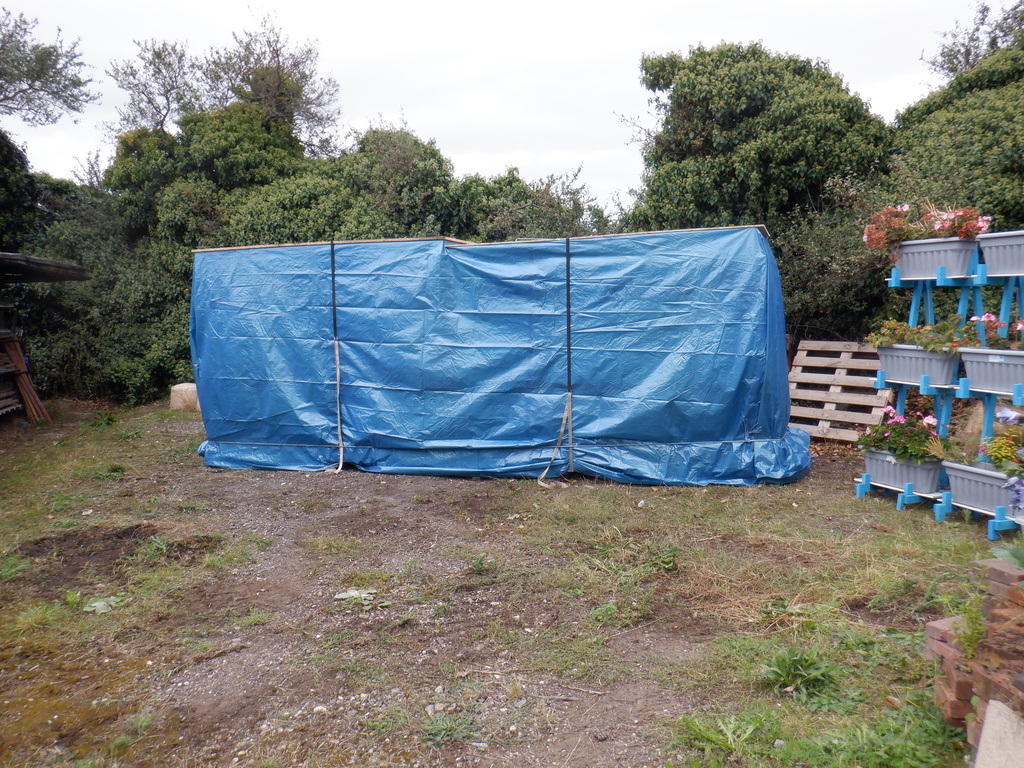
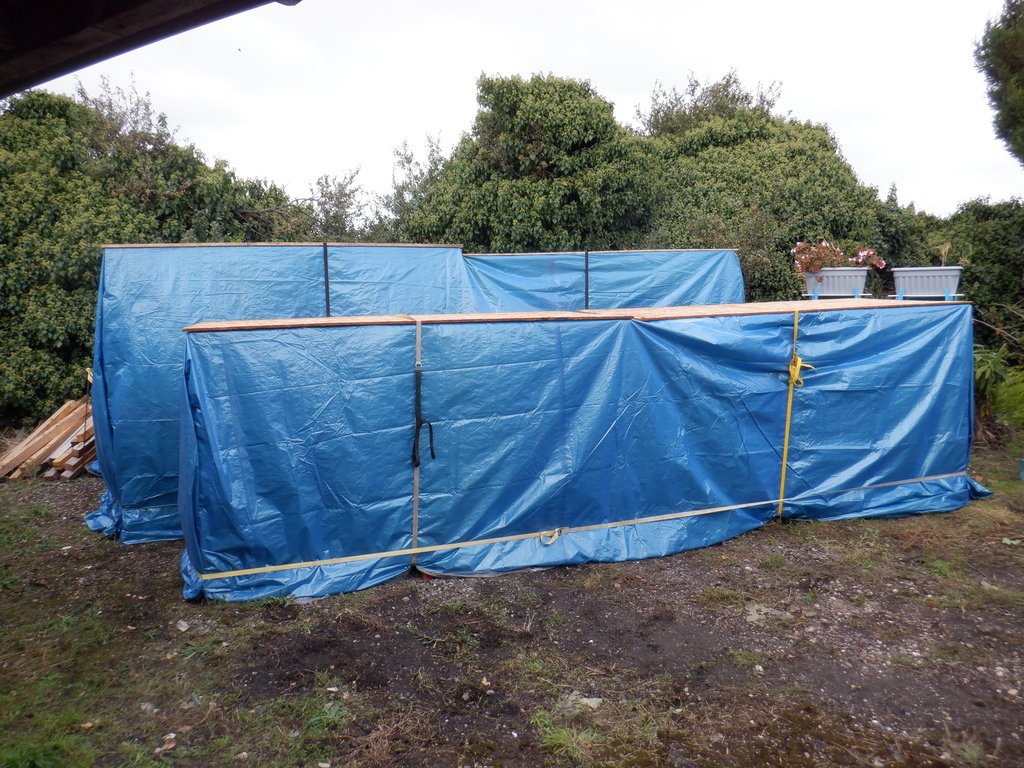
    Then, we put one of our brand new tarpaulin sheets (we bought them ten years ago!), measuring 9metres by 14metres and folded it in half so we had 9metres by 7metres. This covered our first two stacks just nicely and we put on two wooden sheets over the top to protect the plastic tarpaulin from being clawed by wood pigeon and neighbour’s cats or even our resident fox. Everything was then strapped down to secure it against the wind.

    Fermacell and Plasterboards Arrives

    First-days-delivery-all-wrapped-up


    The second morning was a manic rush because the wonderful driver (Not!) arrived at the crack of dawn at 8am and we weren’t even dressed and one was in the toilet! O Boy!
    He came with our final four pallets of more Fermacell boards, each pallet having 60 sheets on board and the whole pallet weighing 2.1 tons ! To make it even more manic, we were having heavy rain showers frequently so we quickly dashed to get our second tarpaulin up and covering the second pile. We found two more 11mm OSB boards to weigh it down and protect the plastic, like before. We left it like that for a couple of days until it mostly stopped raining and we could go back to finally strap down the stack and it can survive long term.
    Fermacell and Plasterboards Arrives

    Second-delivery-of-fermacell


    Anyway, we have all the building material on hand now, to pretty much finish all the interior surfaces, on both the ground and first floor, which we hope to have done some time next year. We have avoided having to pay any future price increases, and amazingly, the fermacell sheets were at a very reasonable price of about £16 per sheet now, compared with £13 when we bought loads for the Garage ten years ago. Not bad!!

  • Forty Pallets of Foam Insulation Rejects is Delivered

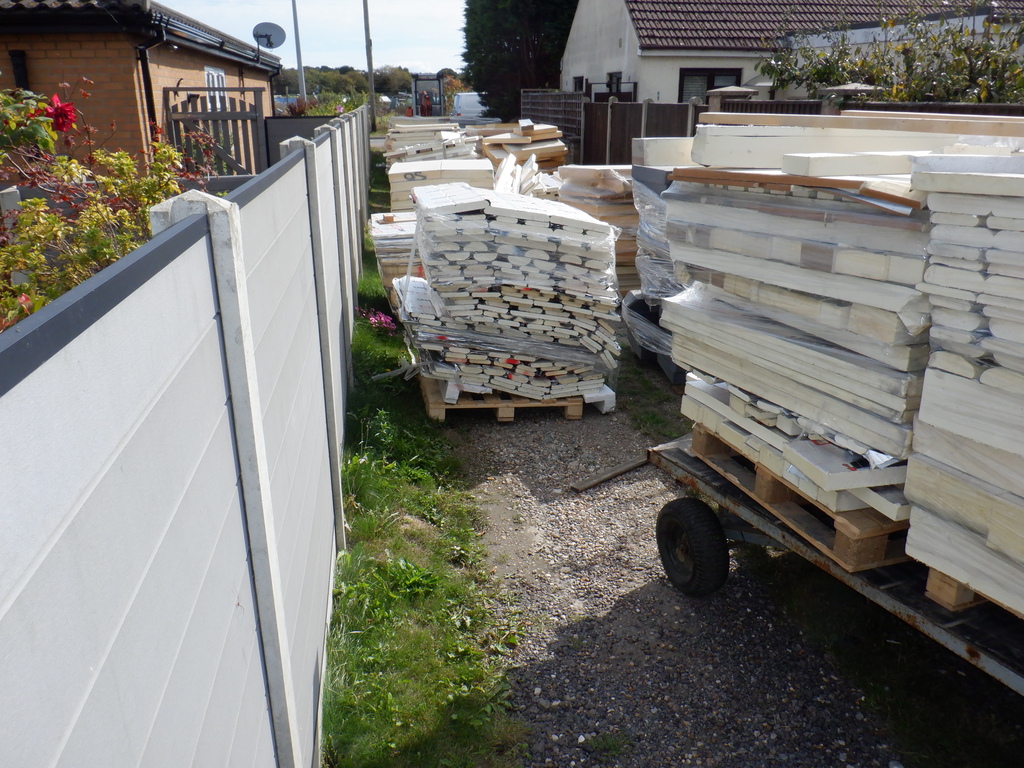
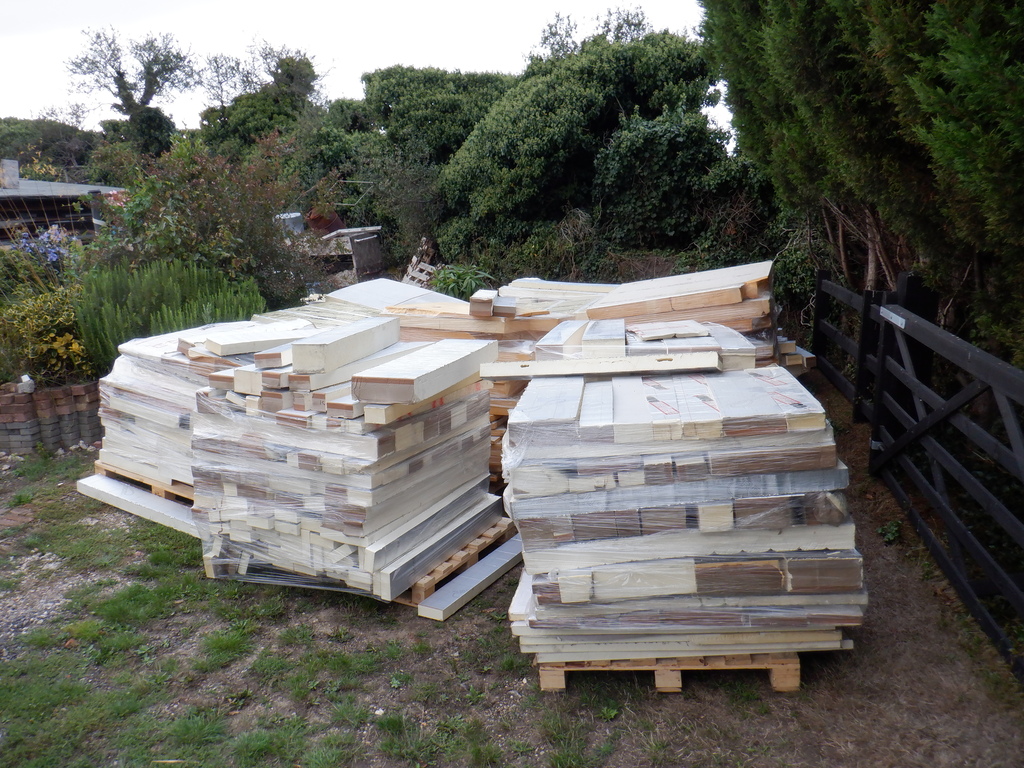
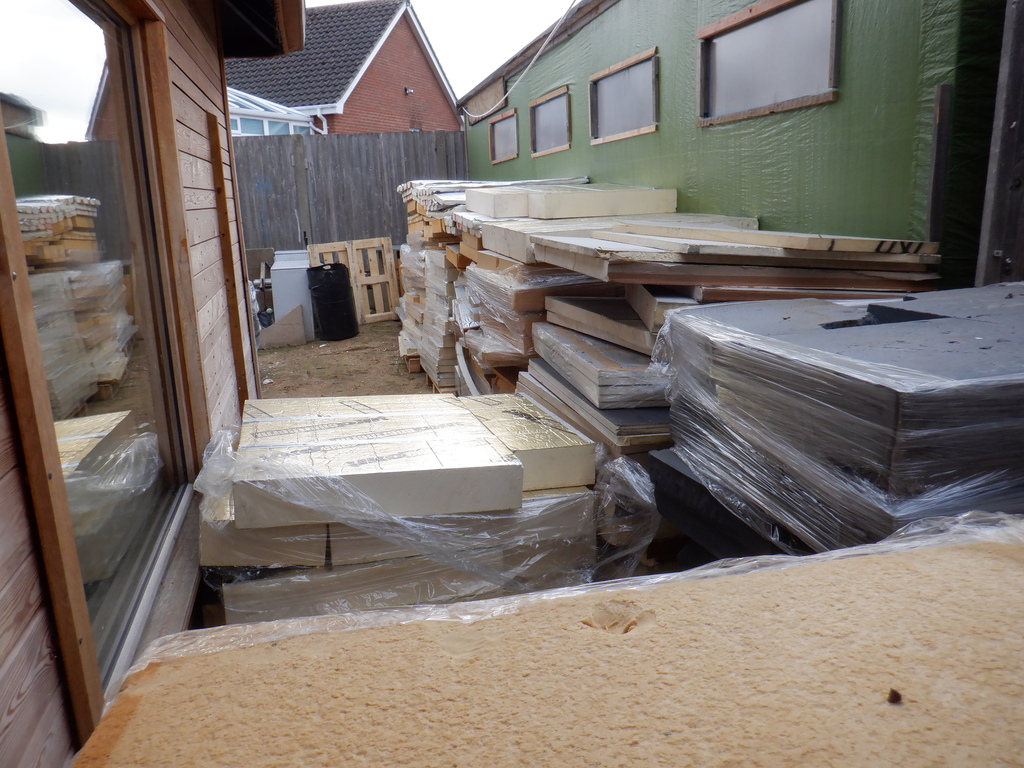
    We started at 8am today to get everything ready for the arrival of forty pallets of insulation foam boards that have been rejected by various factory or reclaimed from various building projects like a hospital having two more floors fitted so the old roof was ripped off and it had 200mm thick polystyrene foam boards. The lorry with its trailer arrived at 9am and parked up on the main road at the top of our Loke. The pallets were jammed on and needed our mini-digger with our fork-lift tongs fitted to the arm and hauled off each pallet. But, the pallets were too uneven and were not securely wrapped into a tight bundles, they only used cling-film material and only went horizontally around the layers of foam bits and pieces and didn’t wrap up and over to make sure they were secured into a square block. They measured approximately 4 feet square and about 4 feet tall and they were stacked two high on the lorry. But, some of the pallets had moved and shifted around during the journey, making them difficult to unload. We even had several pallets that has fallen sideways off in the extra trailer module so we had to reassemble a number of pallets and strapped them up with our own fabric fasteners.
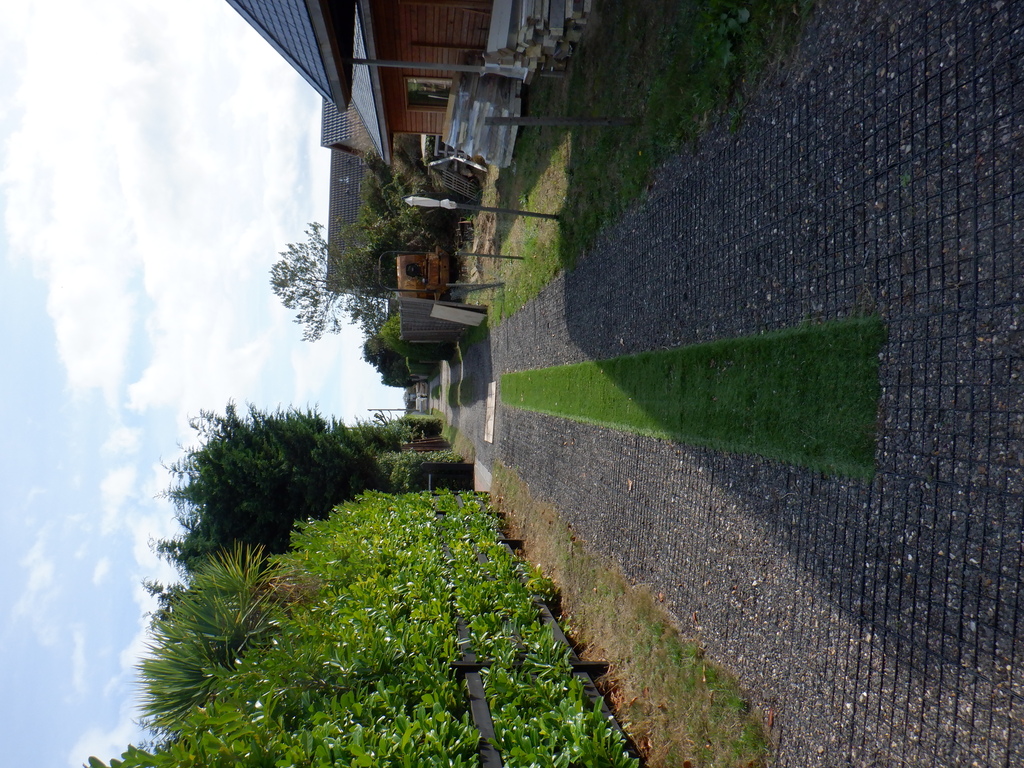
    We had our wonderful middle neighbours coming out to help us, helping to load two pallets on our large flatbed trolley and transporting them down the Loke and dumping them all over our garden, driveway and at the bottom of the Loke as well, while Stephen unloaded every pallet off the lorry and putting them a little way down the Loke. It was 12:30pm before we had finished that first stage of this massive task. The Loke was well and truly covered in pallets!

    Forty Pallets of Foam Insulation Rejects is Delivered

    Loke-blokced-with-insulation


    After lunch, we continued in moving two pallets at a time on our trolley and stacking the pallets around outside our house, in corners and all along the side of the Garage.
    Forty Pallets of Foam Insulation Rejects is Delivered

    Its-quite-a-long-trek


    The Loke eventually became clear and open for vehicles again at around 4pm. We tidied up some of the bits and pieces, put back our mini-digger and restored our fencing again, and call it a day at around 5pm. It was a long day!!
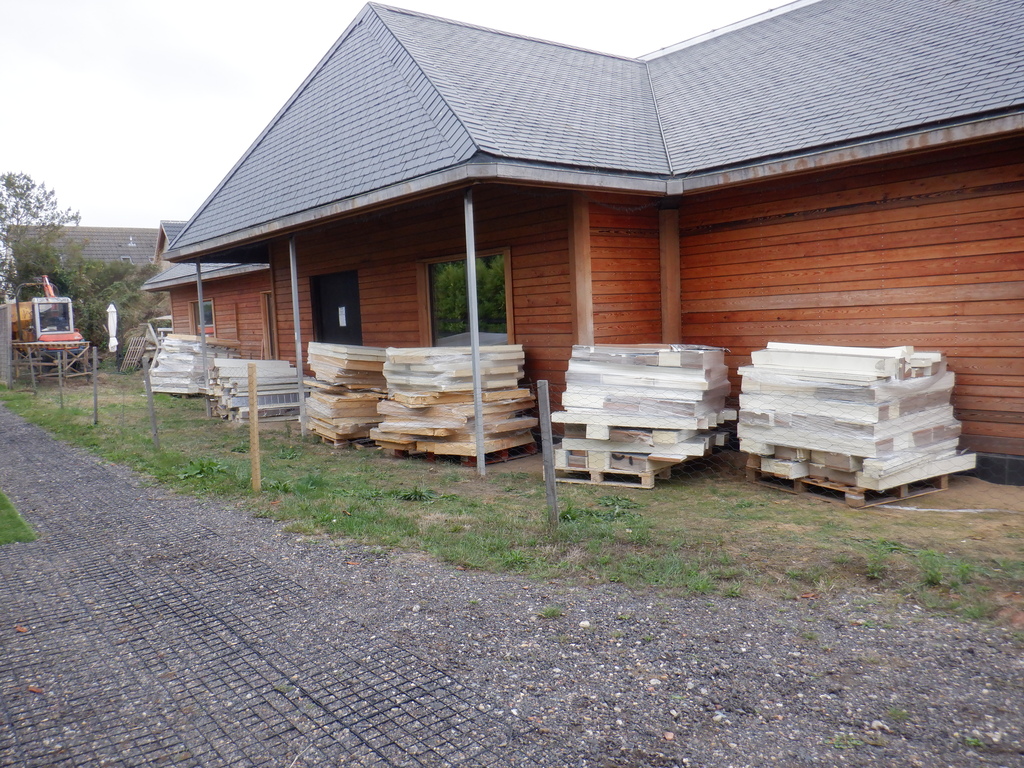
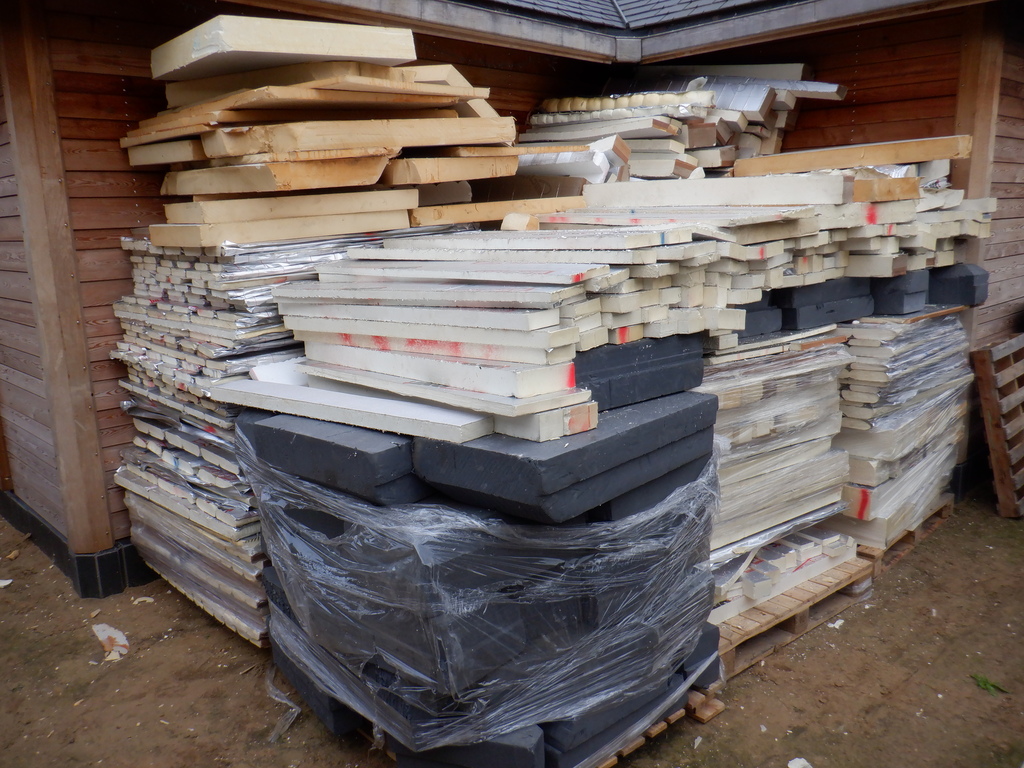
    Then on the following day, we then moved the remaining fourteen pallets off the bottom of the Loke, with the marvellous assistance of our immediate neighbour, to break apart the pallets and move the individual pieces of foam boards and stacked them on top of our first row of pallets alongside the Garage and around the corner at the back of the house.
    Forty Pallets of Foam Insulation Rejects is Delivered

    Insulation-all-pliled-up-1

    Forty Pallets of Foam Insulation Rejects is Delivered

    Insulation-all-pliled-up-2

    Forty Pallets of Foam Insulation Rejects is Delivered

    Insulation-all-pliled-up-3

    Forty Pallets of Foam Insulation Rejects is Delivered

    Insulation-all-pliled-up-4


    We tied down the great big long bundle of boards with a rope and also placed heavy concrete blocks on top, to make sure none will blow away if the wind gets up.
    The last five pallets that were dumped in front of our house, were moved around to the alcove section at the back of the house, but only after we had dismantled the wooden platforms we had there from when we were doing the Solar Panels and moved mum’s plants.

    It is now all tidied up and the Loke and front of the house is looking good again. We now finally have our source of foam boards to go up inside our roof rafters to complete the building shell of of super thick insulation. We will resume that particular task when we have finished construction and commissioning our battery storage and installed solar panels on the P Roof.

  • Delivery of Lithium Iron Phosphate Cells

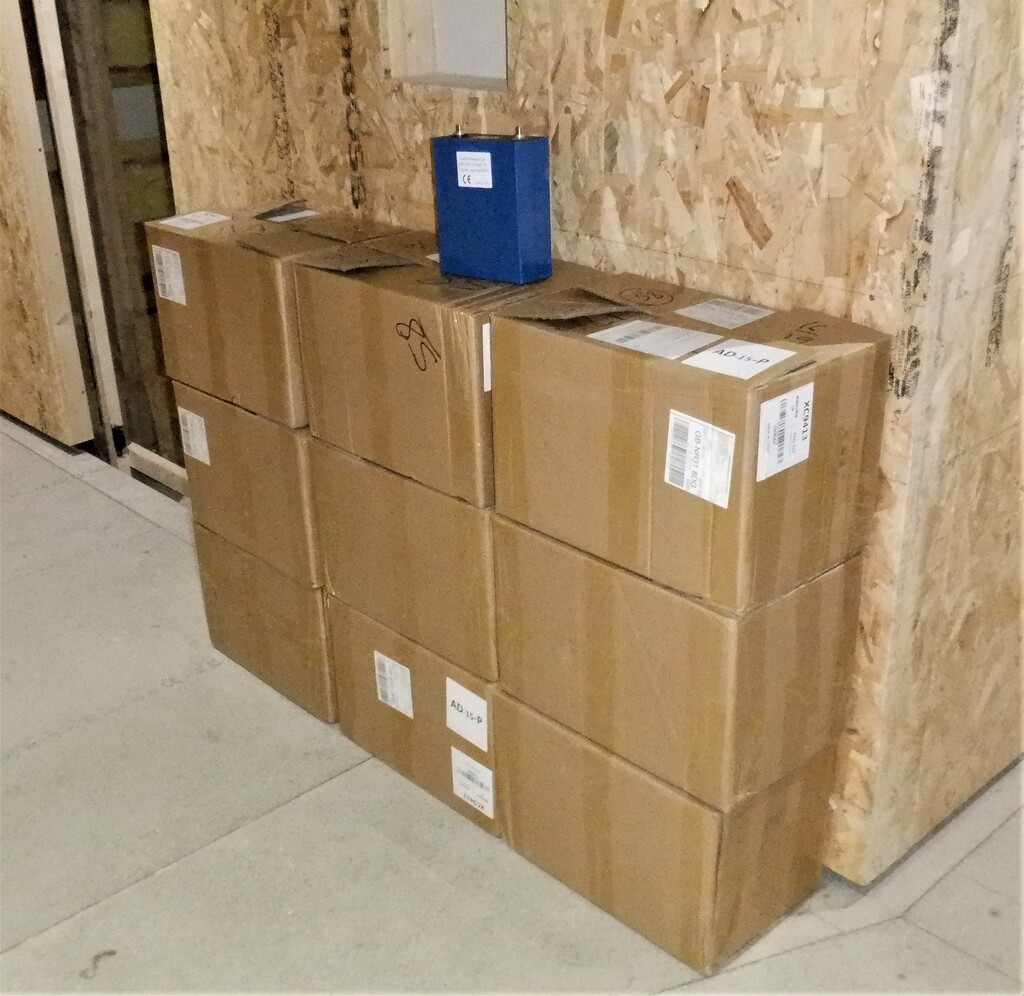
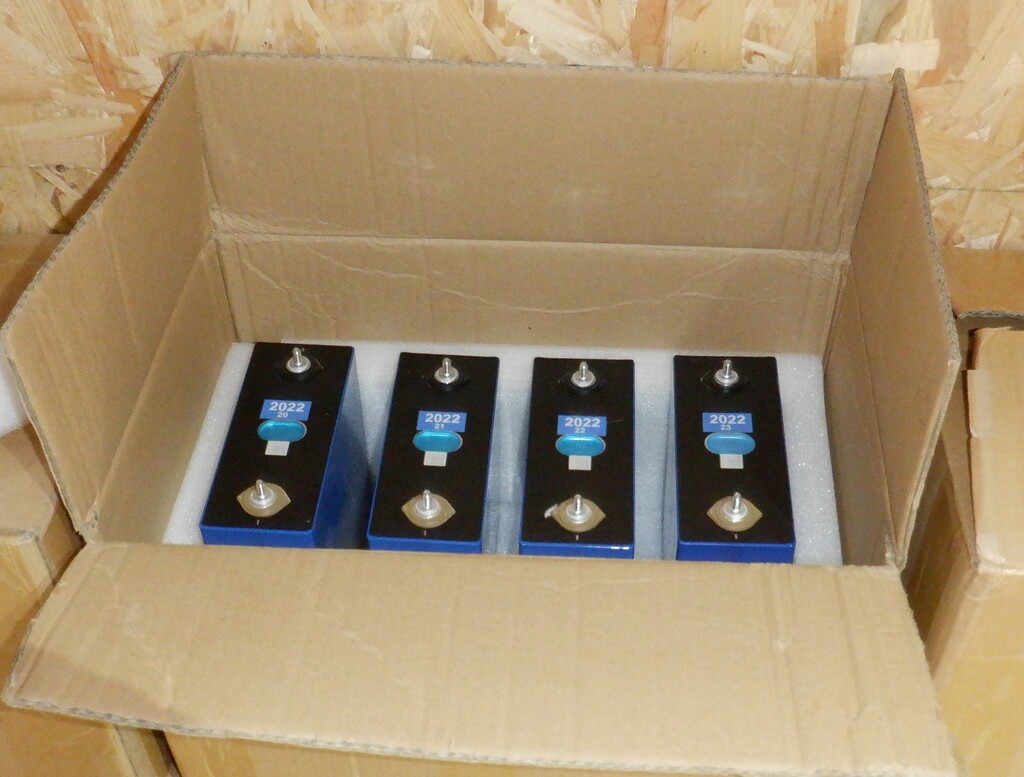
    We had the delivery of our long-awaited lithium iron phosphate (LiFePO) cells, arriving in two separate assignments, 5 boxes yesterday and the 4 boxes today.

    Delivery of Lithium Iron Phosphate Cells

    nine-boxes-of-cells


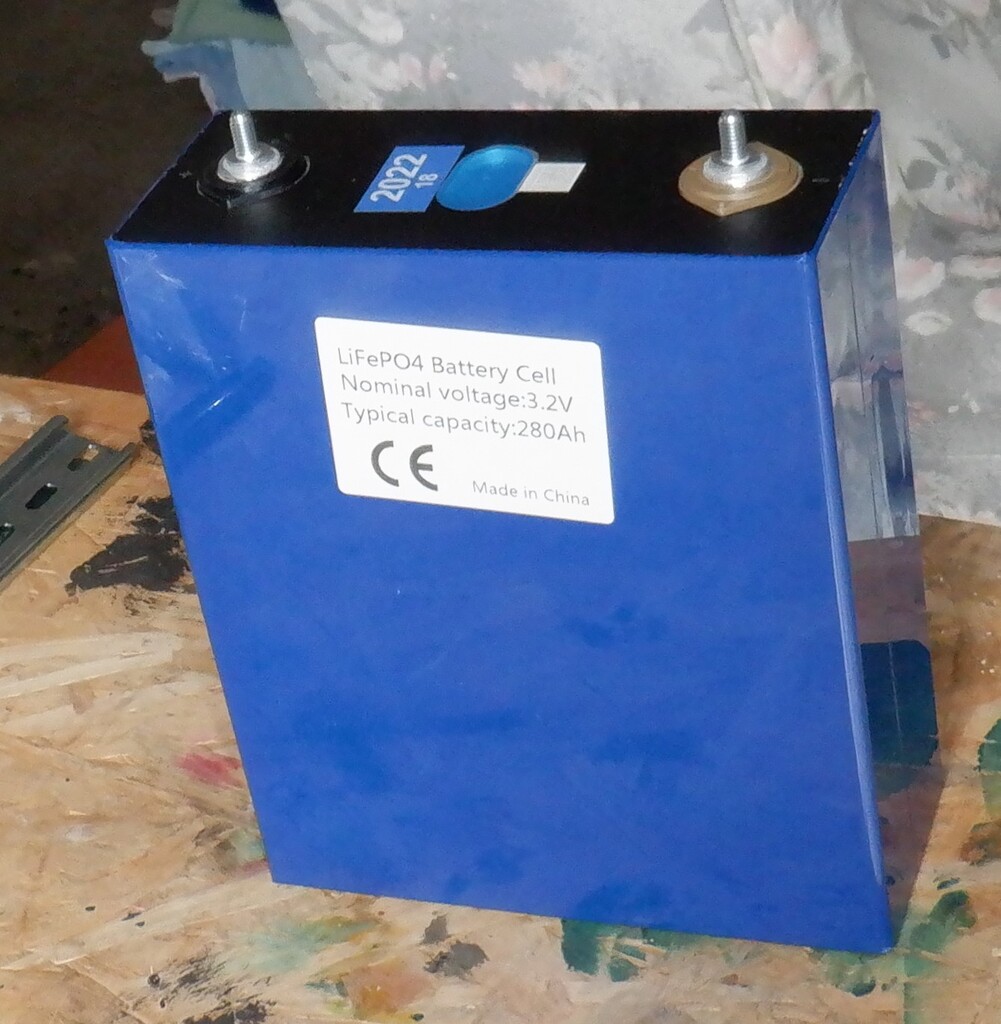
    We now got thirty-six large cells, ready to be combined into three separate battery packs, two of them being 50Volts and the third 12Volts. The 50Volts packs are both approximately 15kWh capacity and the 12Volts is just under 4kWh.
    Delivery of Lithium Iron Phosphate Cells

    A-290Ah-LiFePO-cell

    Delivery of Lithium Iron Phosphate Cells

    each-box-holds-4-cells


    Each cell measures 174mm tall, 220mm wide and 72mm thick, weighs about 6kg, so we will need strong and sturdy shelves to hold 16 of them (96kg!) in our Tech Cupboard.

  • 85 Sheets of 11mm OSB and 50 Sheets of 18mm OSB boards

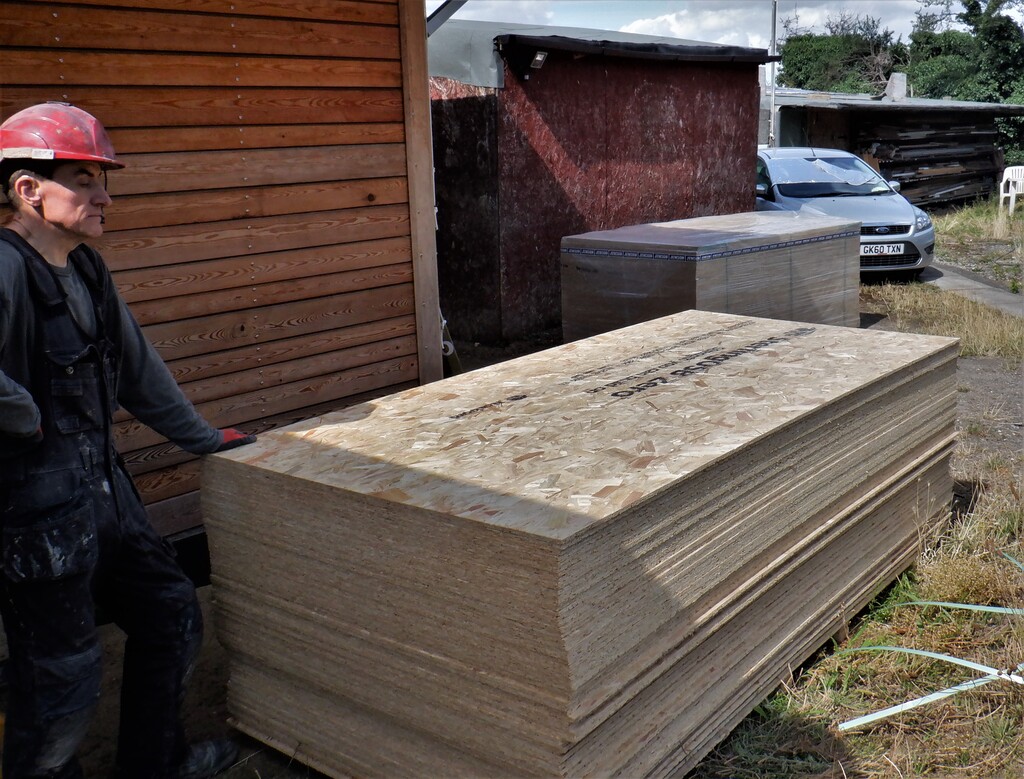
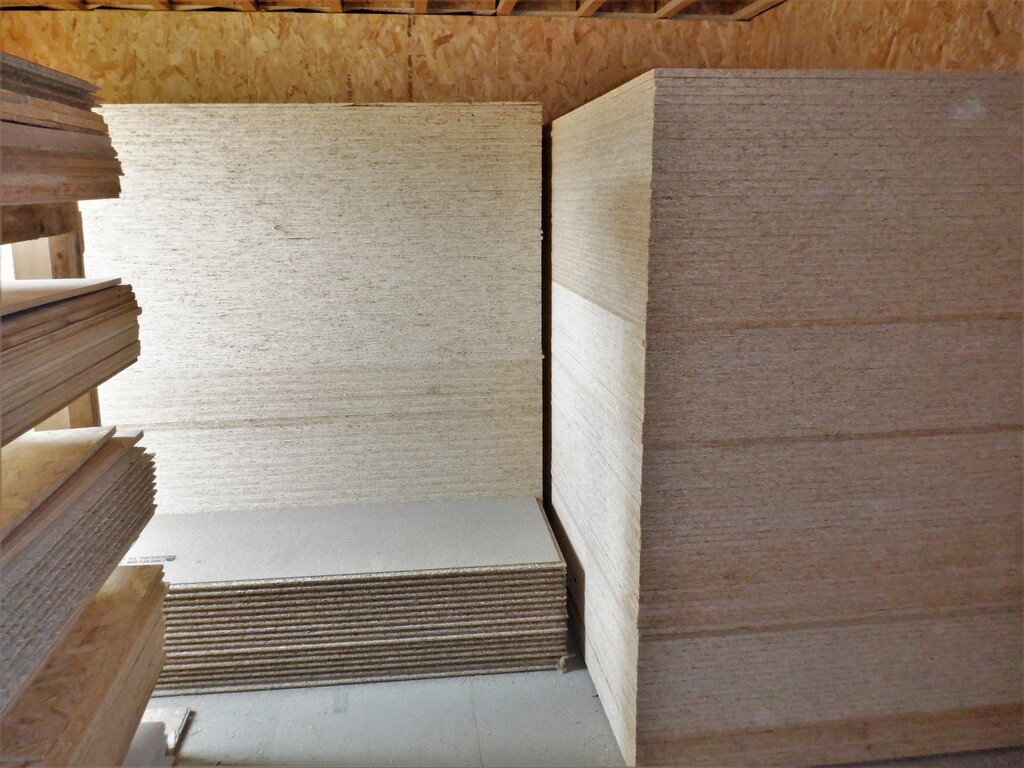
    We had a delivery of additional sheet materials to add to our store of 11mm and 18mm OSB (oriented Strand Boards). We could calculate what we have left to construct for both the remaining downstairs rooms and also upstairs plus the flooring. We counted what we already had and we estimated that we needed another 50 sheets of the 18mm thick boards and another 85 sheets of the 11mm thick boards. They came on two pallets and we unloaded them over three days and put them all in our sheet storage room a.k.a Bedroom Two!

    85 Sheets of 11mm OSB and 50 Sheets of 18mm OSB boards

    OSB-Delivery

    85 Sheets of 11mm OSB and 50 Sheets of 18mm OSB boards

    OSB-Moved-to-Bedroom-2


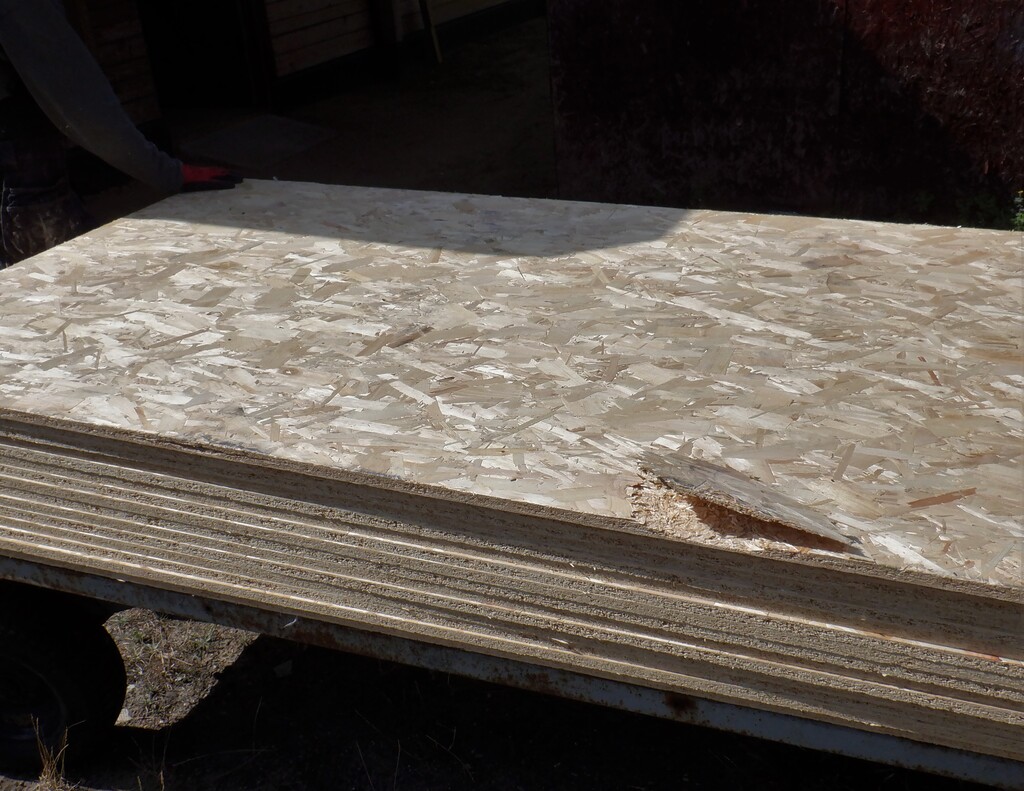
    Mind you, the builder merchant did forget 1 sheet of the 11mm board and they had damaged the bottom sheet of 18mm with their forklift truck (or someone did). We will send them a request for a credit to be added to our account.
    85 Sheets of 11mm OSB and 50 Sheets of 18mm OSB boards

    Damaged-OSB


    The prices has risen considerably in just 18 months, we paid £17 for each 18mm type board last time and now we had to pay £23 each!! A 30% rise!! A few years ago, we only paid £13! Crazy World We Live On Now!
    So we are going to order all our standard plasterboard (which is not going on the walls but under the floor!) and Fermacell (an engineered high performance plasterboard) in the next week or so and beat the next price rises that are due in September.

  • Taken the Plunge and Ordered Solar Panels and Batteries Plus Supporting Electronics

    After considerable discussions, we have decided to take the plunge and invest in some Green Energy solutions. We have ordered seventeen electric solar panels, measuring 2metres by 1metre high, rated at 405Watts per panel. This power rating isn’t set in stone as you can imagine when we got something like our Sun that keeps moving around, hazy skies, rain and the occasional solar eclipse producing shadows and affecting what power we can generate. The solar panel manufacturers all have to measure their panels using a standard 1000Watt testing rig but they also have to quote a so-called realistic figure as if we only got 800Watts per square metre, so these ratings that they have printed on the panels are only a guide and we could indeed, on rare occasions, get more!! But, big sigh, our Good Old British climate, we will likely only get 300 to 350Watts per panel on a very very clear blue sky day.
    So with our seventeen panels, seven on the P roof (overlooking our Patio) and a further ten on our M roof (overlooking our swimming lane), we could be producing 5 or even 6kiloWatts on a good bright sunny day when the Sun is right overhead. Otherwise, we would generate about 2kiloWatts on our P roof in the morning times and then 3kiloWatts later on in the afternoon and evening. We expect to generate about 10,000kWh per year.

    We ordered the panels from a UK stockist because the country now imports so many panels that it is not cheaper to buy direct from China these days. Hopefully, we will get those in a week or so.

    Another collection of items that we have ordered, is the mounting brackets and bars for fixing our solar panels on our roof, going through the slates but maintaining a waterproof seal etc. That is quite complicated shaped pieces of steel & aluminium and it costs almost as much as the solar panels for that mounting hardware.

    Next, we did go direct to a Chinese supplier for our batteries. It is not so common .. yet .. in this country, or rather, the batteries are being packaged into a single product and sold including installation fees added on top and it is many thousands to get hold of that type of batteries and the associated electronics. But, we like to do things ourselves but also, mostly, because we are wanting a much larger battery capacity and no one does a bigger system for a sensible price. So we are ordering 36 “cells”, each rated at 280 Amps Hour at 3.2Volts, measuring 72mm thick, 225mm high and 174mm long. They are about a third of the width of a typical car battery with both of them having about the same power capacity, which is amazing especially considering that they are much lighter and also have very good number of discharge and charge cycles. We are building two 50Volt battery sets, each having 16 cells, giving us about 30kiloWattHours capacity and one 12Volt set with four cells giving us nearly 4kiloWattHours. Each set will have a management computer overseer, to keep an eye on each separate cell and also the whole overall performance as well, protecting the batteries from any short circuits and other faults that may develop and shut the whole set off just in case. These computers are rated at 200Amps. The shipping will take six to eight weeks so sometime in late August or September.

    Another piece of equipment we ordered is a 5Kw hybrid inverter that takes two strings of electric solar panels and transforms those strings into both mains electricity to use generally and 50Volts to charge the two battery sets.. The box will take the power from the solar panels and either provide it as 240V mains electricity for general use and when the house is not using all of the power it will charge the batteries. If the house need more mains electricity than the solar can provide then the box will use the batteries to add extra output. It can be programmed to respond in various ways, depending on our requirements. This box will also act as a battery backup and will power our critical mains electricity usage (up to 5kW) if we have a power cut

    This is a major step for us to be taking right now, but, we really need to do something to help us avoid much of the enormous price increases we all are facing! But, we had always had plans to install solar panels, it is just coming much sooner than we thought, and the batteries have become much more affordable these days and be able to pay off the investments quite quickly.

    Spending less than £10,000 now will give us enough free power to mean that yearly electricity bills will be tiny for 20+ Years to come!

  • Another order from China

    After buying the valves last week, we started looking for some of the other things needed for automating the house.
    The next things are

    1. Flow sensors – to measure how much water the motorised valve are letting through.
    2. Servo motors – To control how much air is supplied/extracted from each room.
    3. Push button switches – Needed for control panels

    I actually used Alibaba’s request for quote to get prices for the flow sensors and received 10 quotes from $5 to $1.79 each. After looking at a few and asking for shipping costs a settled on a supplier. Luckily they were also able to supply the Servo’s and Samples of  various switches at a good price. This time the order was just under $500 including $160 of shipping.

    We now have to wait for the 2 order to arrive and then we will have to pay import duty and VAT.

  • Taken the Plunge and Ordered Motorised Valves from China

    After a long period of analysis, testing and weighing up the risks, we have placed an order for motorised water control valves from China, directly with the original manufacturer.

    Motorised Valve

    It is just the unknown and sheer distance involved with this venture that is the risk but we had our goals and we wanted to realise them without having to pay a very high price for a similar device sourced in UK or even Europe. China has now proved themselves to be a reliable source of material and devices, or they wouldn’t be where they are now. We have paid about £13 a valve against £35 locally.
    So we have spent nearly $1400 (plus $600 for shipping) on a set of water stop valves that can be controlled by a computer. We love the idea of automation and we always dreamed of having a smart house and hence this is an investment towards that goal. We had bought a sample valve from China a couple of weeks ago and analysed it, tested it and it all seems good and solid. So we are now having well over a hundred motorised valves coming, most of them are 15mm bore size but a couple will be the larger 25mm bore for the main water pipes we have laid out in the house.

  • Flexible Twin Walled Plastic Conduits Arrives

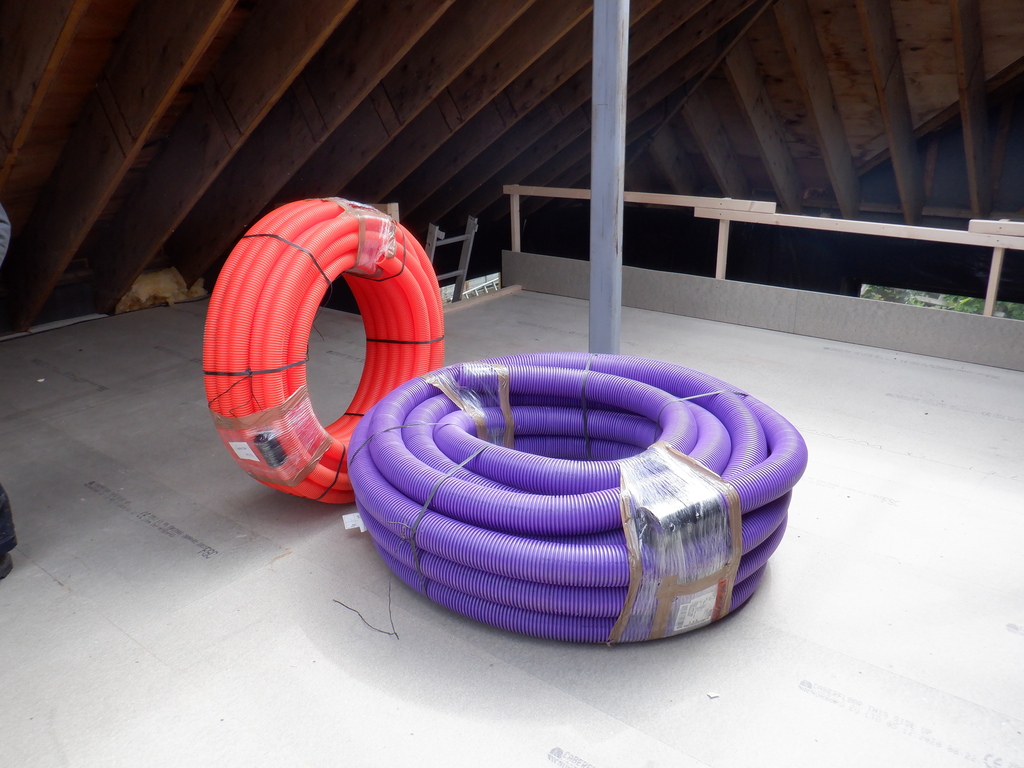
    At last! The arrival of the twin-walled plastic conduits tubing has occurred today this morning! But not all of it! We ordered three different sizes: 100mm, 63mm and 40mm diameters but there seems to be a country wide shortage of the 40mm size and our supplier has been waiting to see if any would come in their own warehouses. But after we had made enquiries and explained to us the situation, they split the order up and sent us the two larger sizes with the smaller one pending, maybe in a week or so if they can source the conduit from Europe.
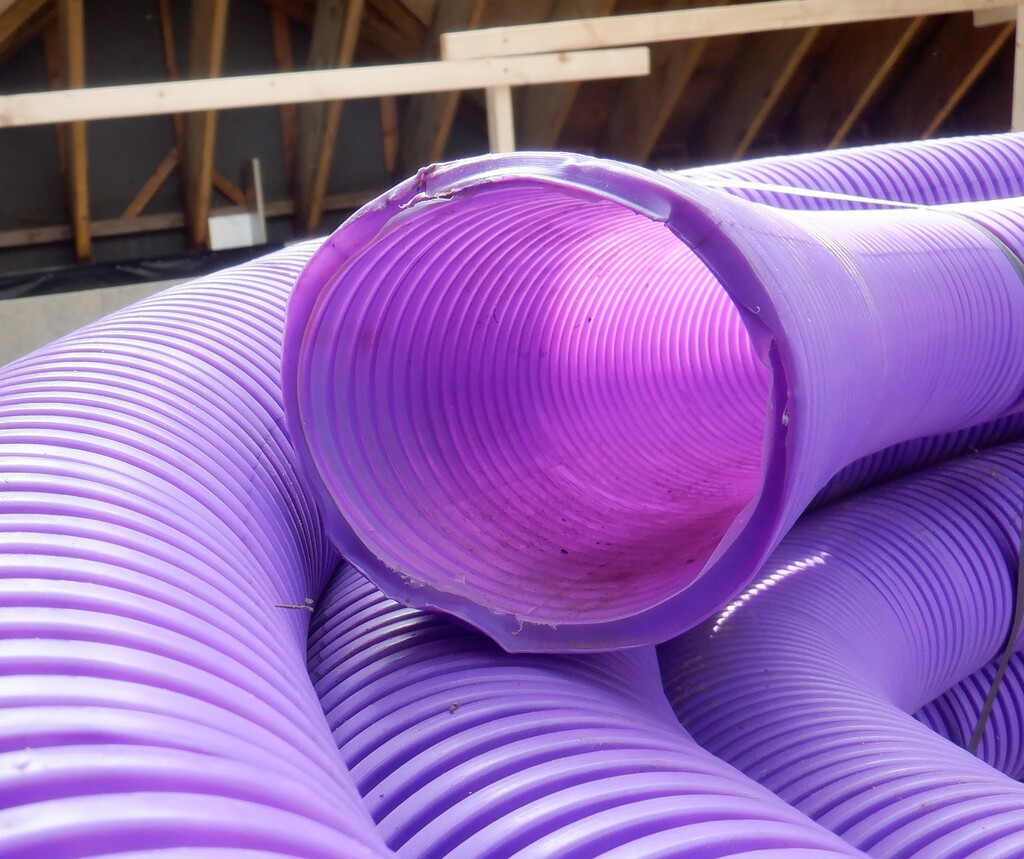
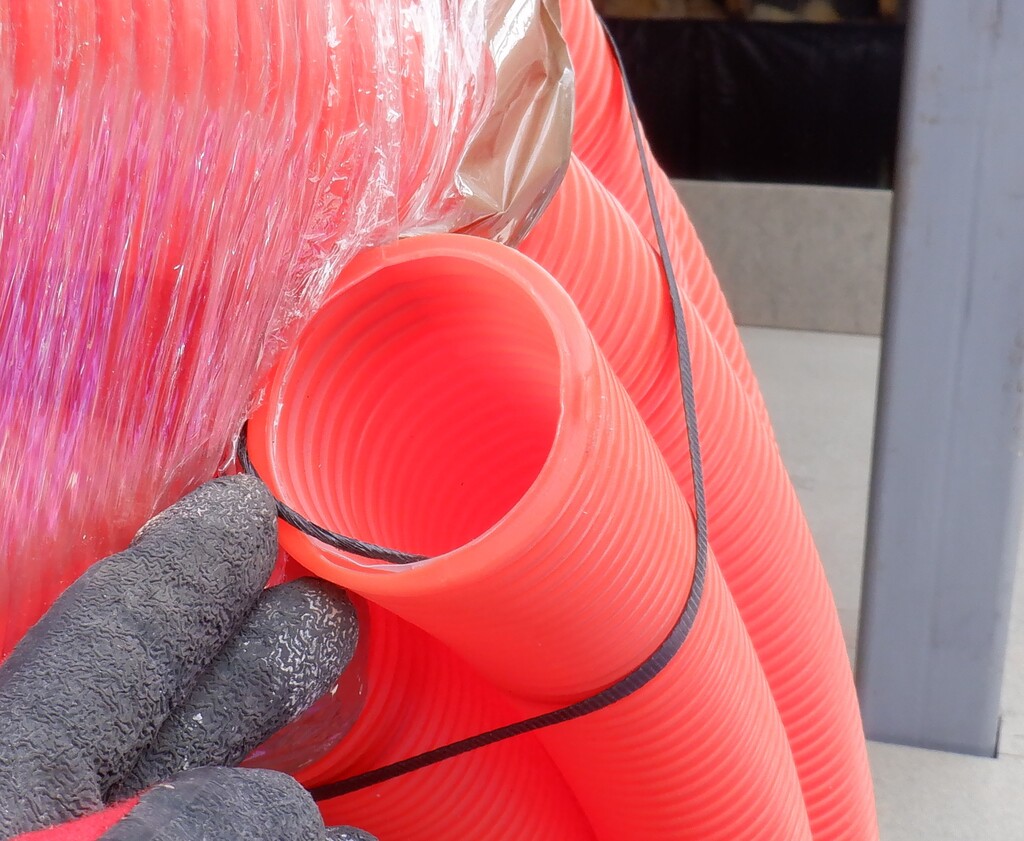
    So we now got two 25metre rolls of orange of the 63mm (internal size of 50mm) and one roll of 25metres purple 100mm (93mm internal) conduits, ready to construct our air circulation system, the 63mm one to help supply fresh air to all four walls in each room (under the flooring) and the 100mm tube to take away the old stale air inside the ceiling.

    Twin-wall-duct-arrives

    Twin-wall-duct-arrives

    Twin-wall-100mm

    Twin-wall-100mm

    Twin-wall-63mm

    Twin-wall-63mm


    The smallest size, the 40mm one, we would like to use to guide the electrical cables around the obstacles like windows and doors, connecting each sections of the Utility Channels running around the room, but if we cannot get this type, the twin-walled conduits, we will have to find an alternative design and perhaps one option is to find a supplier of vacuum tubing or maybe the cheaper end of water hoses.