Author: Stephen

  • Service trench completed

    Service trench completed

    Thursday 30th

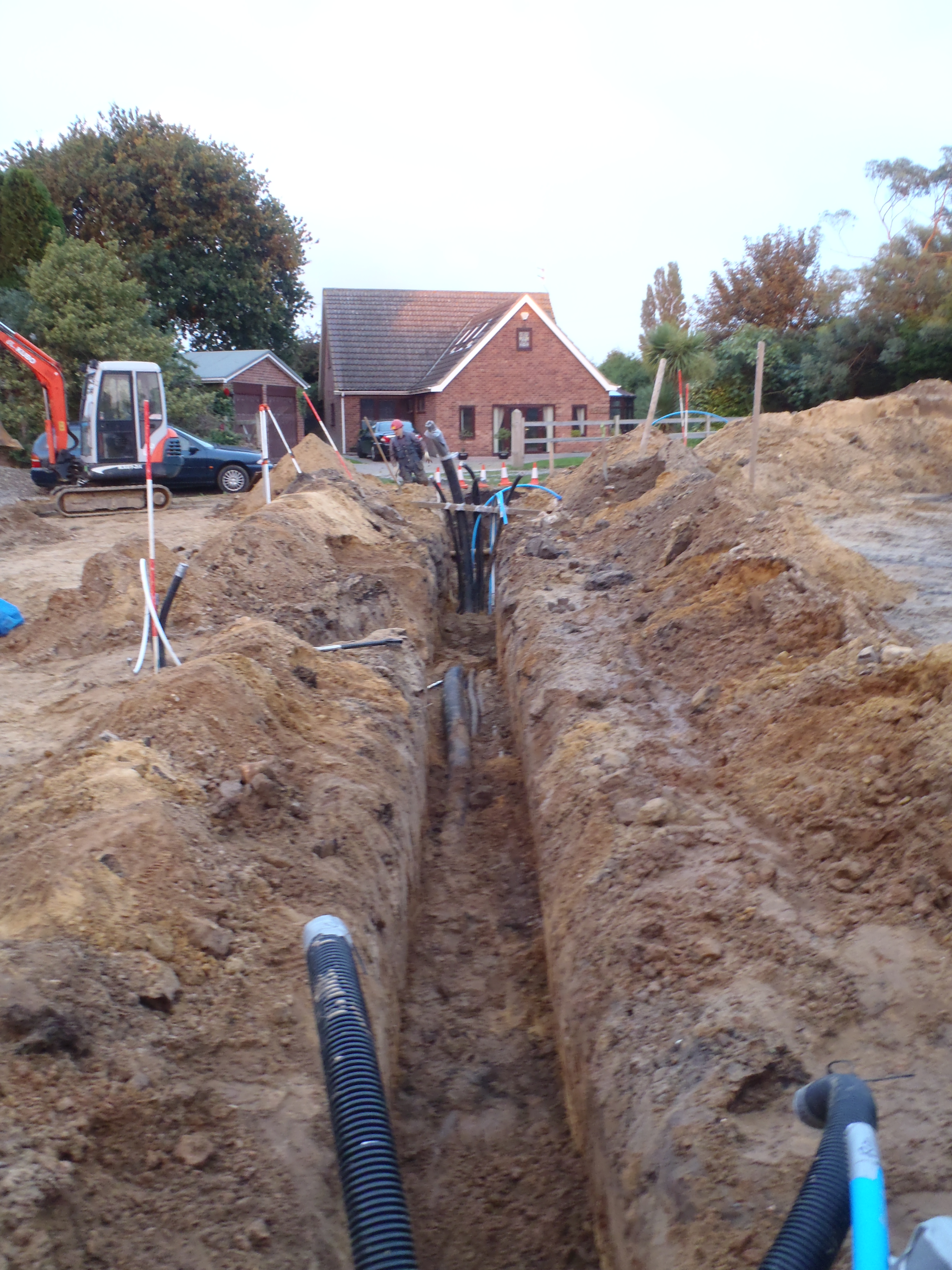
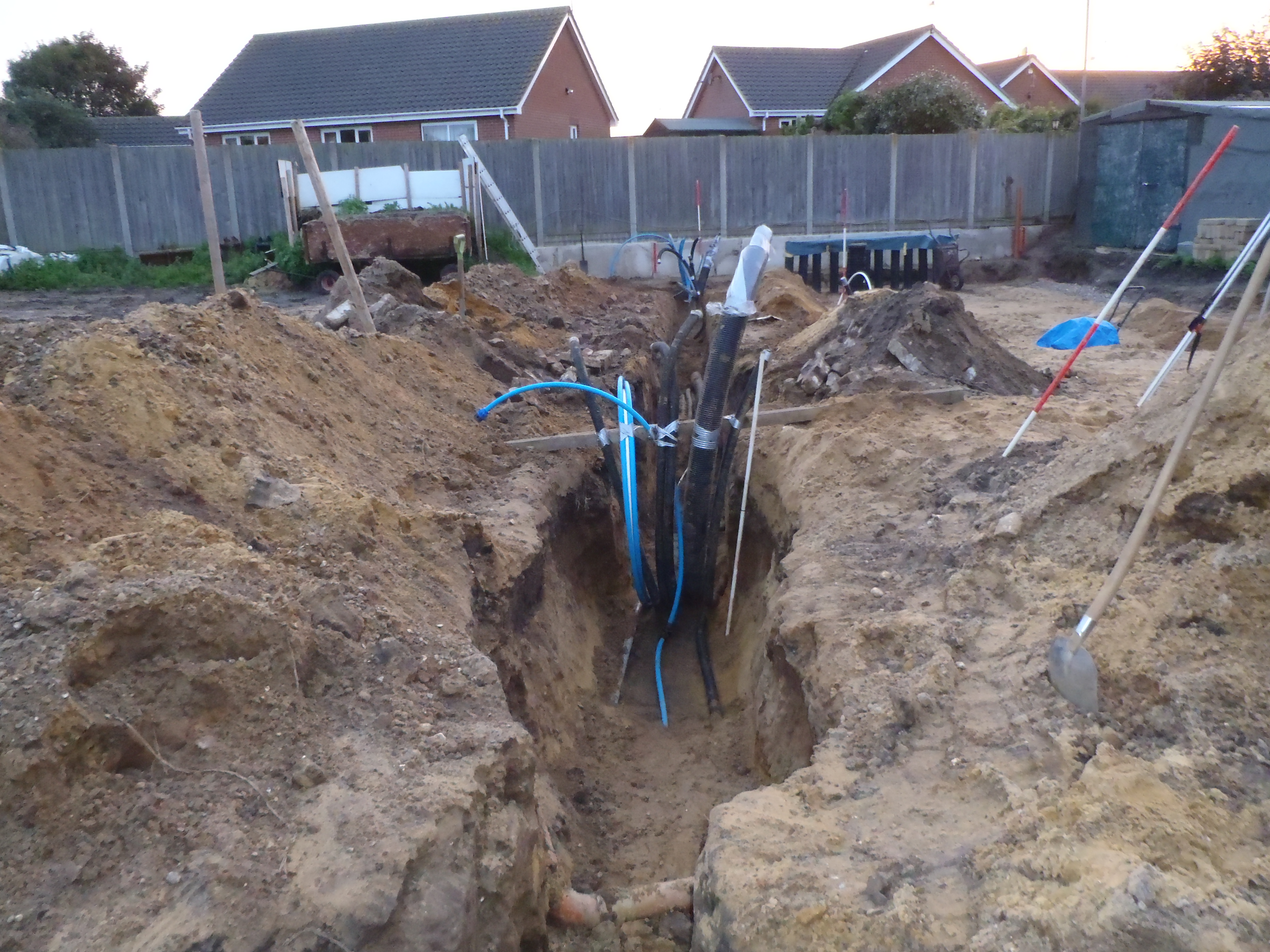
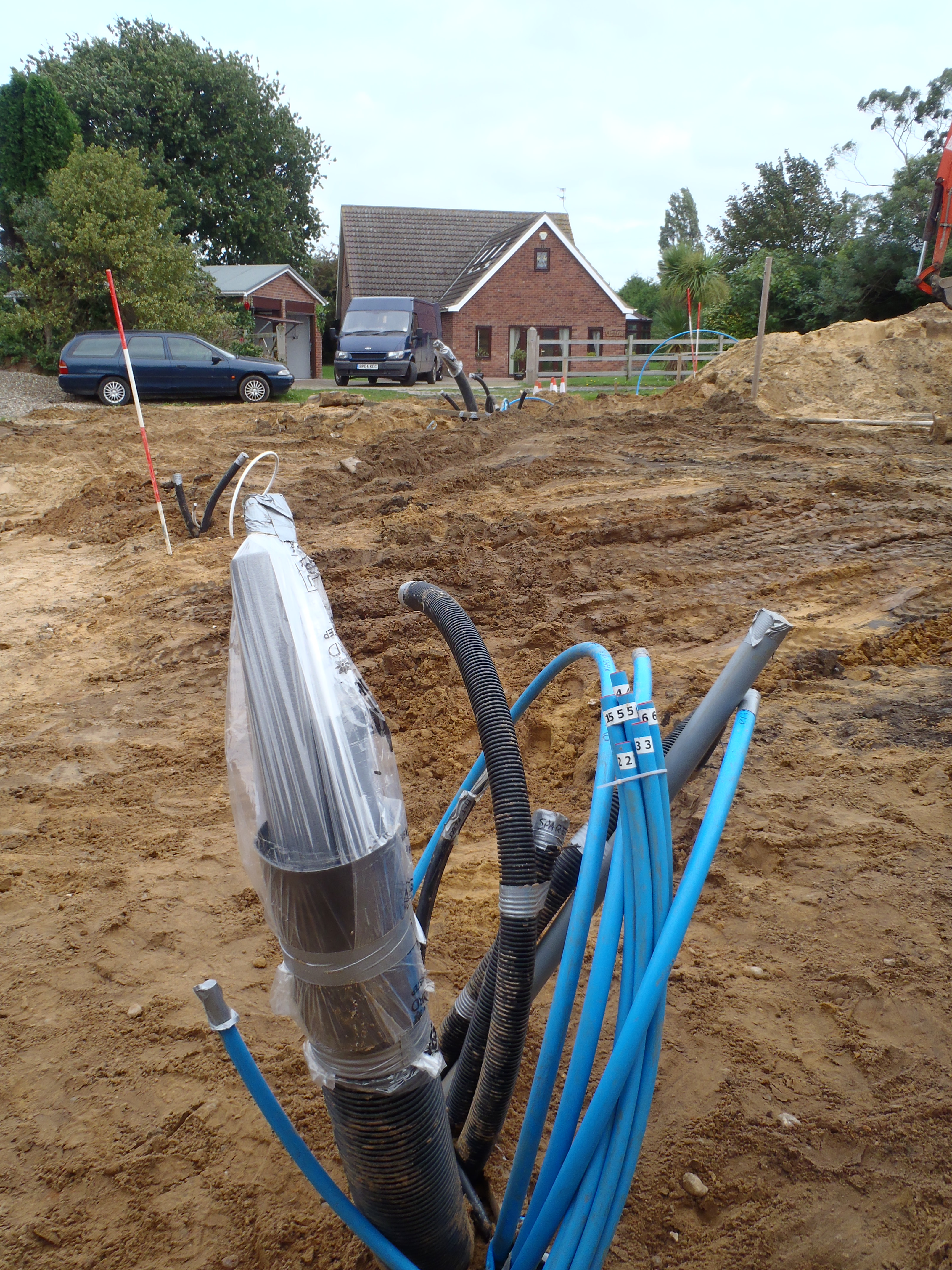
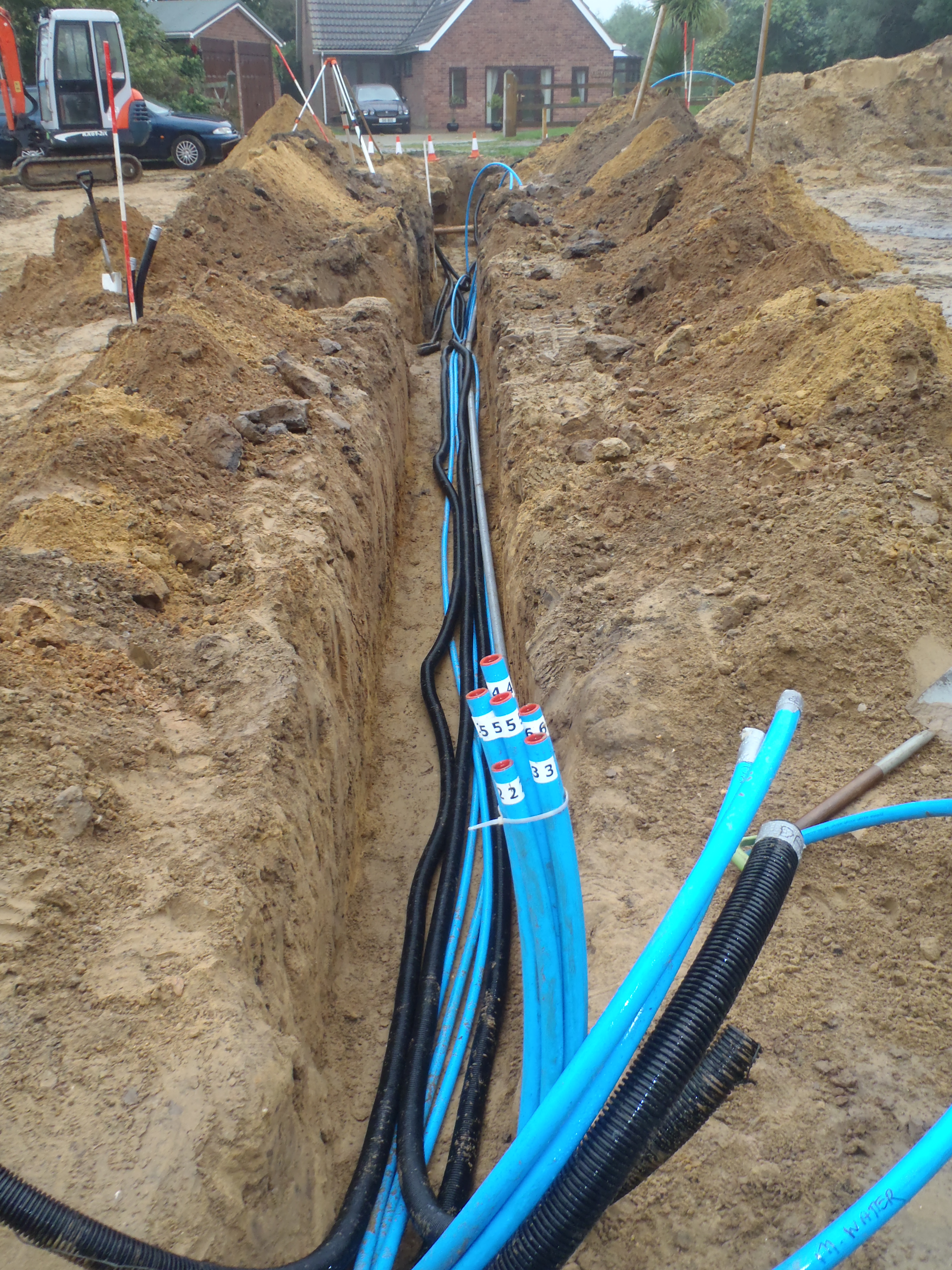
    Installed all the pipes and conduits into the trench after sliding 2 x 22mm plastic plumbing pipe with foam insulation (25mm on flow and 19mm on return) into the large conduit (tried insulating with rockwool and gave it up as a bad job!).

    Service Trench All conduits in place

    They are from left to right :- Data, rainwater1, compressed air, rainwater2, mains water, central vac, spare, solar water & electricity.

    Friday 1st Oct

    Started by filling trench to approx 300mm above conduits then placed warning tapes (100mm wide polythene printed with warning messages about water & electricity below) along the trench. We then filled the trench to the top.

    Service Trench Filled

  • Service trench

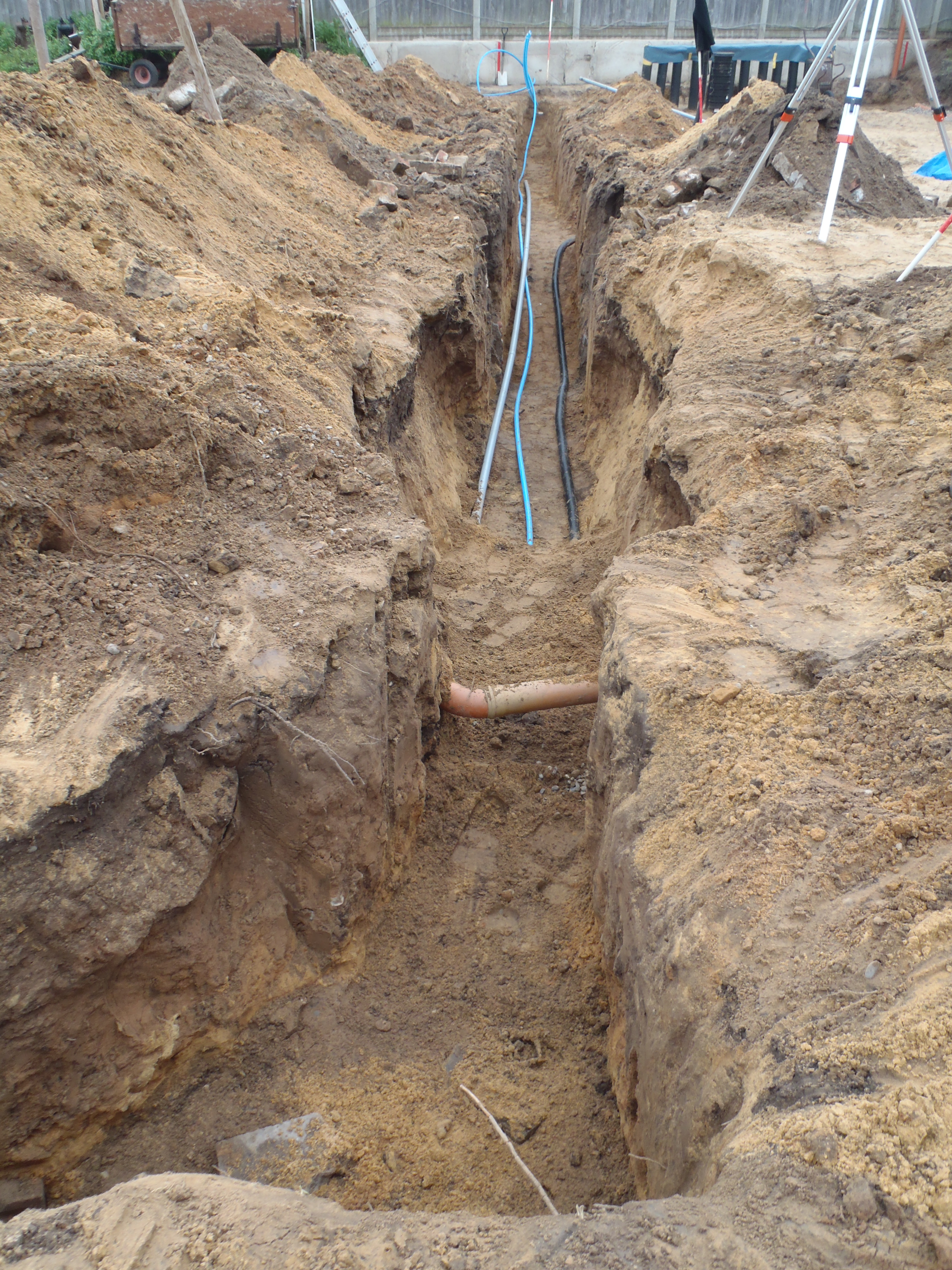
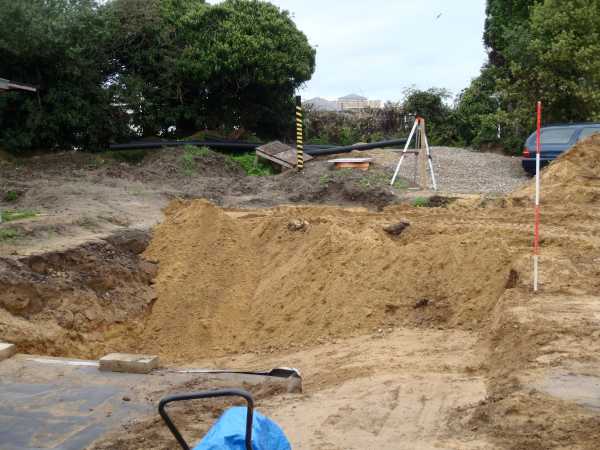
    Digging initial trench from the garage to the loke and along the loke a few meters. On Tuesday we dug most of it and finished it off Wednesday morning. The trench is mostly about 1.5m deep (gets shallower towards the garage).

    Installed the power & telephone ducts and the water pipe from the garage to the loke and round the corner, leaving the rest of the coils wating for the trench to be extended.

    service trench with main utilities in

    We then ran most of the connections from garage to house.

    trench with most pipes and conduits in

  • Service connections

    We need to connect the new house to the services (Electricity, Water & Phone). Currently these all come to the old house and will need to be diverted. The phone is overhead and will need to be routed underground as the overhead path intersects the new house so is not practical.

    We will take all of them to the garage to use while living there, and the power and phone will be connected back to the main house later. A T junction in the water main will supply water for the house.

    A trench will be cut just inside the boundary with Smiths Loke from the current pedestrian entrance (water meter), past the telegraph pole (opposite side loke via a side trench), then pick up the power and run down the plot to before the corner of the new house then turn crossing the corner of the utility room and then to the garage.

    All the connections will be in conduits except cold water which is just laid in the trench.

    We will install these connections between the garage and the house.

    Connection Pipe / Cables Conduit Notes
    1. Mains electricity 25mm2 cables 50mm Placed opposite side of trench from data cables
    2. Rain water pumped from tank under garage 32mm Polythene pipe Submerged pump in bottom of tank rated up to 7000litres per hour and 8m of head
    3. Rain water back from header tank in house 32mm polythene pipe Header tank will automatically be topped up with mains water if lack of rain
    4. Insulated pipes (two) for solar heat transfer 22mm PEX Barrier pipes Inside the 150mm pipes rolled in ordinary glass fibre wool insulation (just enough for minimal heat loss during the 5 minutes transfer
    5. Compressed Air 22mm PEX Barrier pipe inside the 150mm 8bar (maximum) Compresser in Garage
    6. Low voltage cables CAT 5e cables 50mm Network, Telephone and other signal lines
    7. Central Vacuum System 50mm Cleaning Tasks in the Garage and Garden Room
    8. Nothing 50mm Future Expansion
  • The slow slow speed of utilitys!

    I thought I would find out about moving the electricity supply from the old house to the garage. I first contacted Eon our supplier and talked to a nice bloke in their new connections department, he told me that I needed to get EDF energy to actually move the supply cable, then Eon would connect it to a new meter. Phoned EDF and spoke to a nice lady who took my details and said she would send me a form to fill in. She also gave me an estimate of £700-£1000 and a delay of up to 10 weeks! So we will need to fill the forms in quickly if we want to be in our temporary accommodation by Christmas…

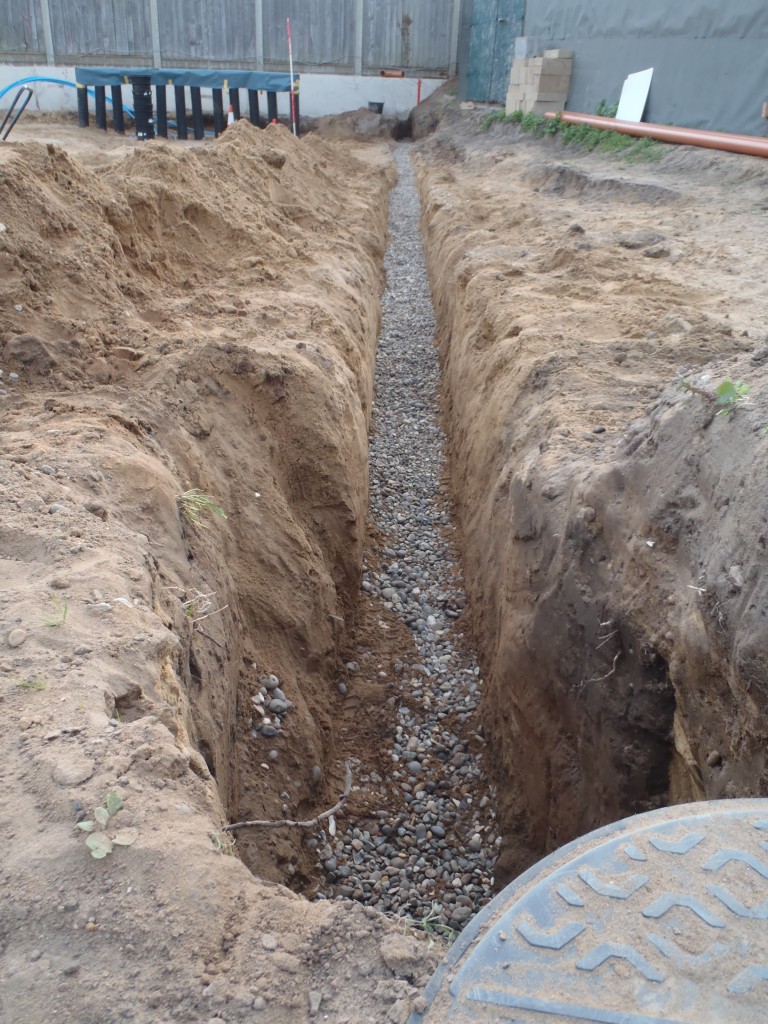
  • Garage sewage pipe trench ready

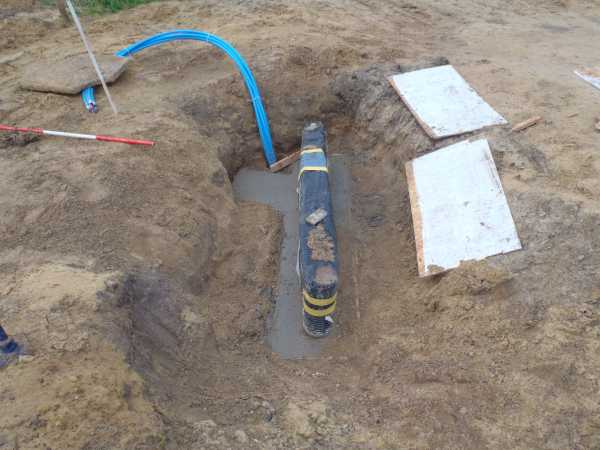
    Marked out the position of the garage on the mass wall. The thick black vertical lines are the outside measured positions of the walls and thinner lines defines the foundations. This gives us the position of the sewage connection for the garage so we could markout and dig the trench to place the sewage pipe.
    shows the gravel in the trench

    We await for our building inspector to approve it.

  • Hole nearly filled …

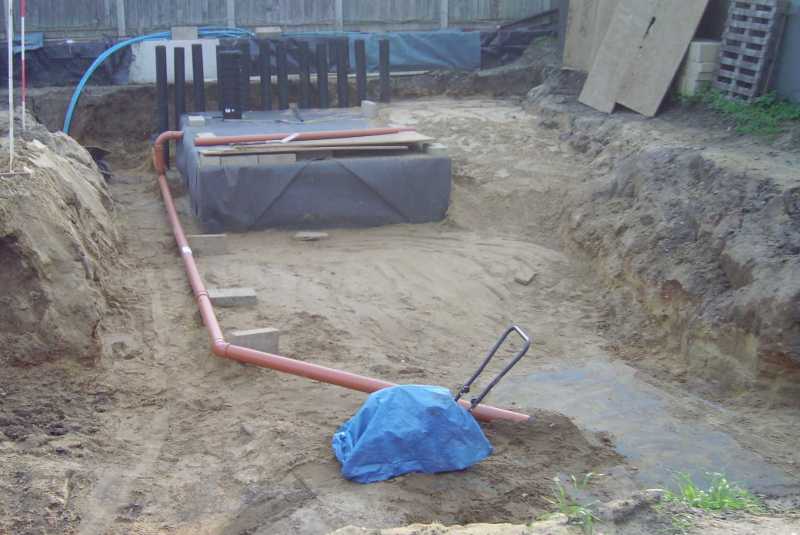
    Well we have mostly filled it to the top of the rainwater tank.
    show the hole nearly filled

  • Earth Tube Collection chamber

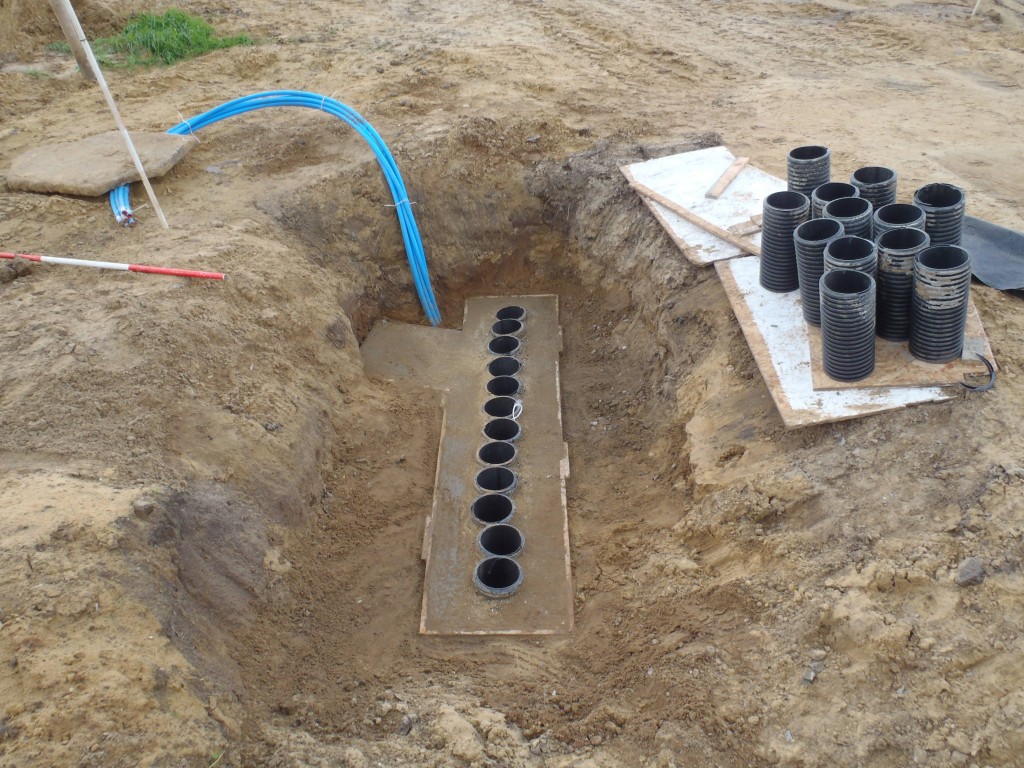
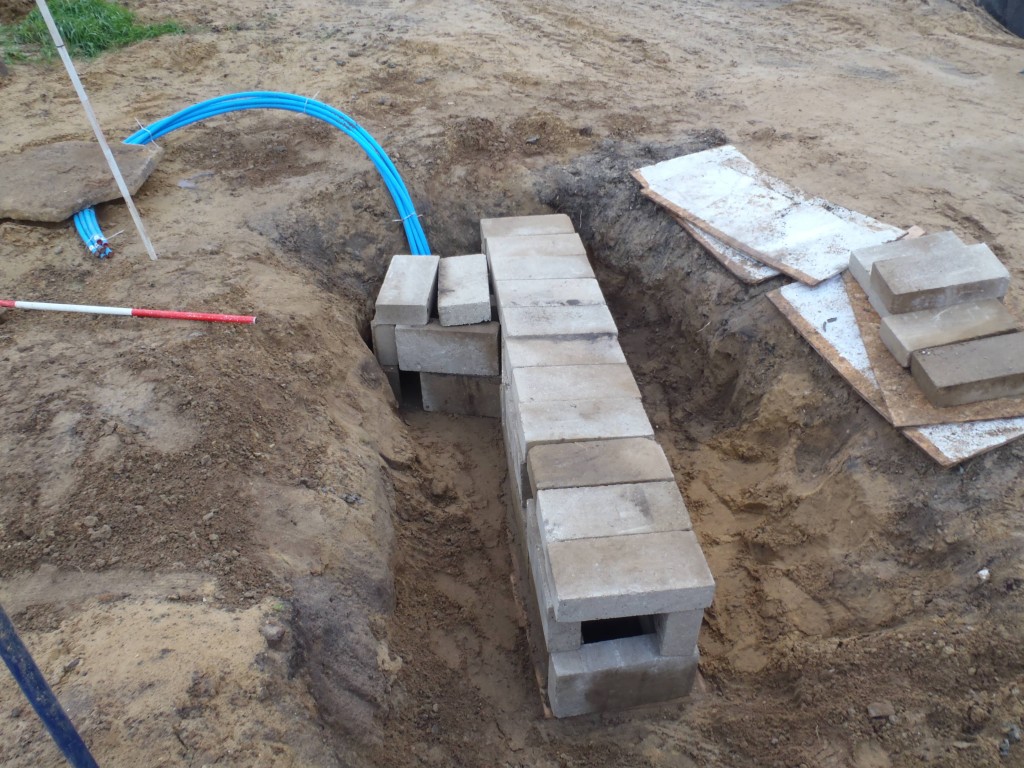
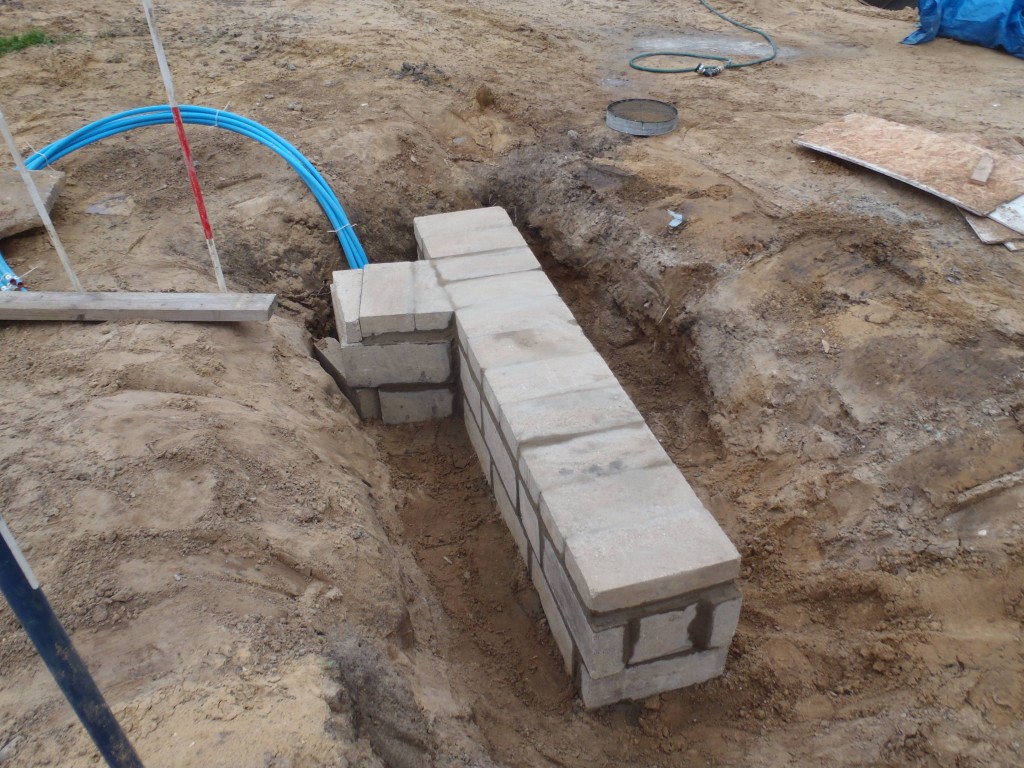
    Where the earth tubes get close to the house we have built a block work chamber to concentrate the air flow down too a smaller tunnel to pass under the foundations of the house. The chamber is 300mm below the path round the house.

    Concrete ready for the blocks
    Concrete ready for the blocks
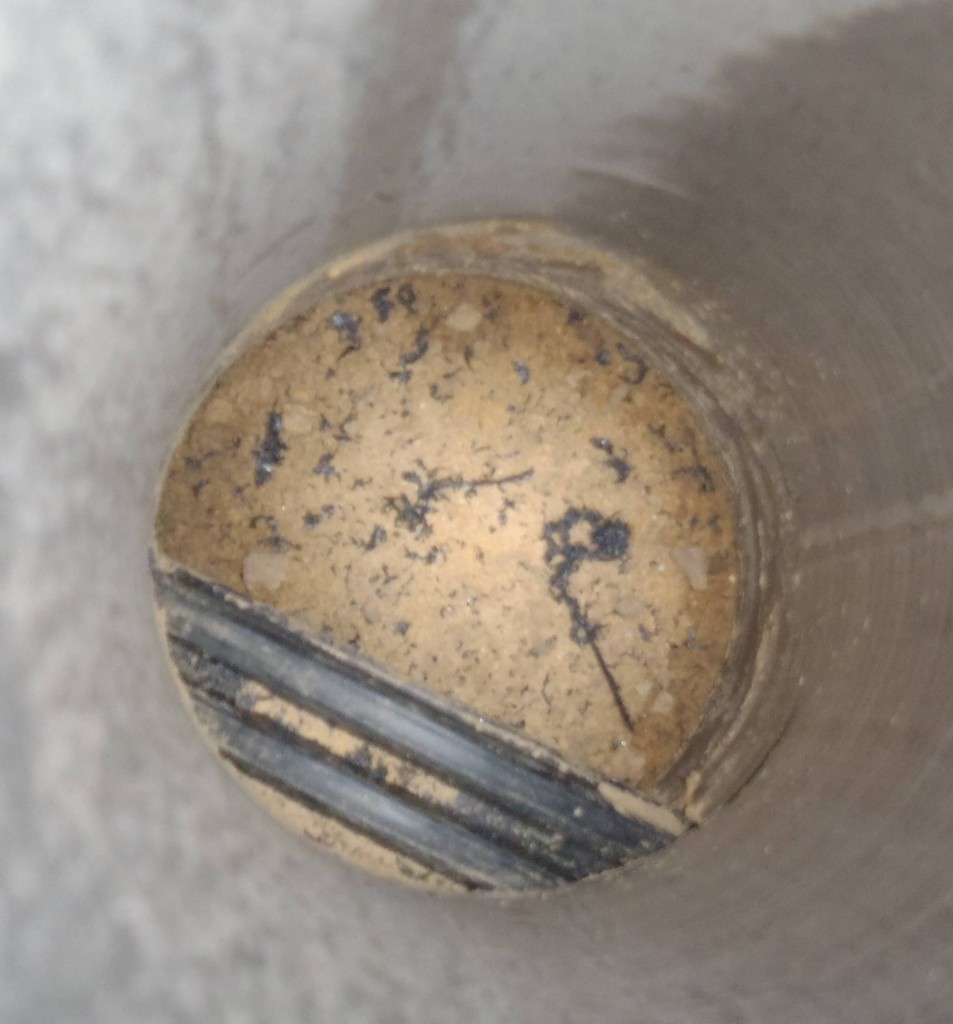
    view down a tube
    The view down a tube – we vacuumed the sand out
    Test fit of the blocks
    Test fit of the blocks
    Finished chamber
    Finished chamber
  • Progress over the last week

    Filling in the hole is not the most exciting thing to write about so here is a summary of our progress. The weather has not been as good as recent weeks, which has slowed our progress a bit.

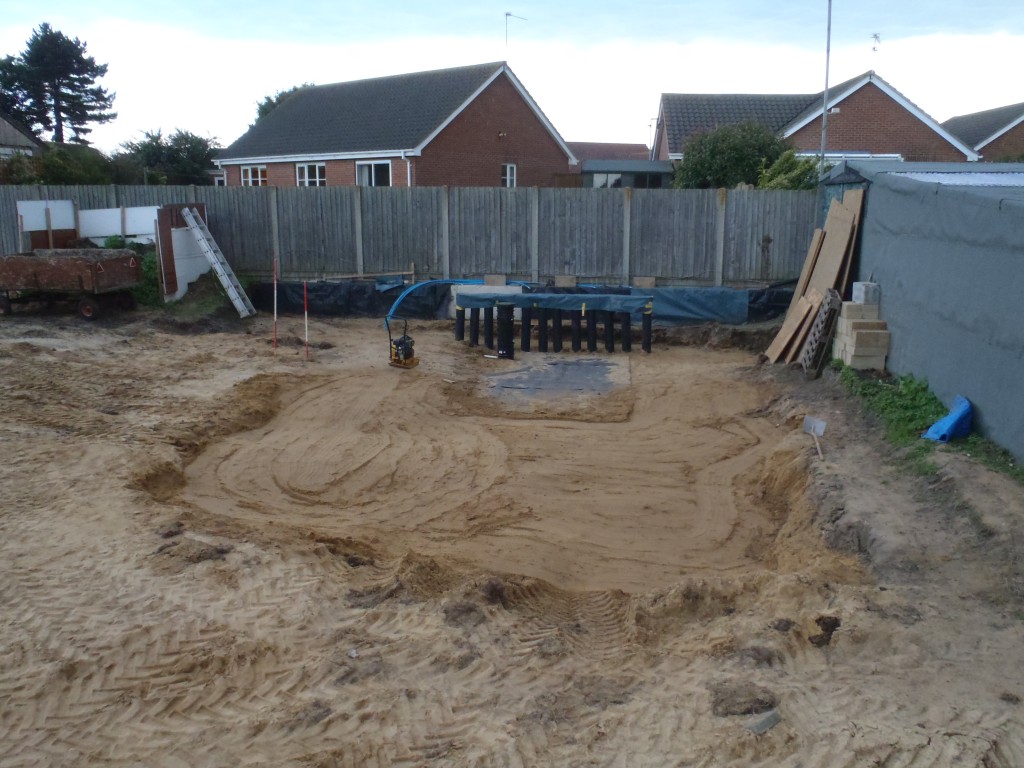
    Carefully filled and compacted on south side of the tank and behind the earth tubes. Installed the rainwater input pipe.

    South side of tank filled and compacted

    We decided that the area outside of the garage footprint could be filled in bulk and allowed to settle if necessary, so fill was dumped in from an edge and the next load beyond it. There was some compaction by the weight of the dumper truck driving over the fill.

    roughly filled areaand surface compacted

    Then we measured and laid concrete around the earth tubes nearest the house, this will support a block work chamber which gathers the air into a smaller area to feed into the house by a tunnel. As I said the rain has been a bit more frequent in then last week, indeed we had just mixed a load of concrete when torrential rain fell. Guess where the lowest point was for the rain to collect …. yeah the formwork ready for the concrete! Luckily the rain stopped long enough for the area to drain away and we managed to place the concrete half an hour later.

    concrete in place around earth tubes

  • Rainwater Overflow pipes

    Installed the final section of pipe in the great hole. This is the overflow from both the filter module and the tank to the soak away.
    rainwater overflow pipe in place

  • Rainwater Tank Day 4

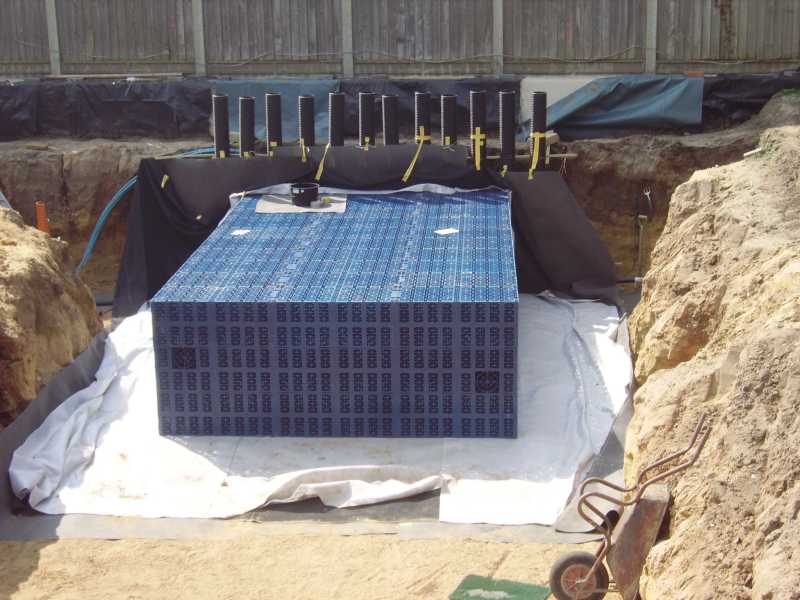
    Placed the last layer of crates …

    solid block of blue crates sitting on the white polyfelt

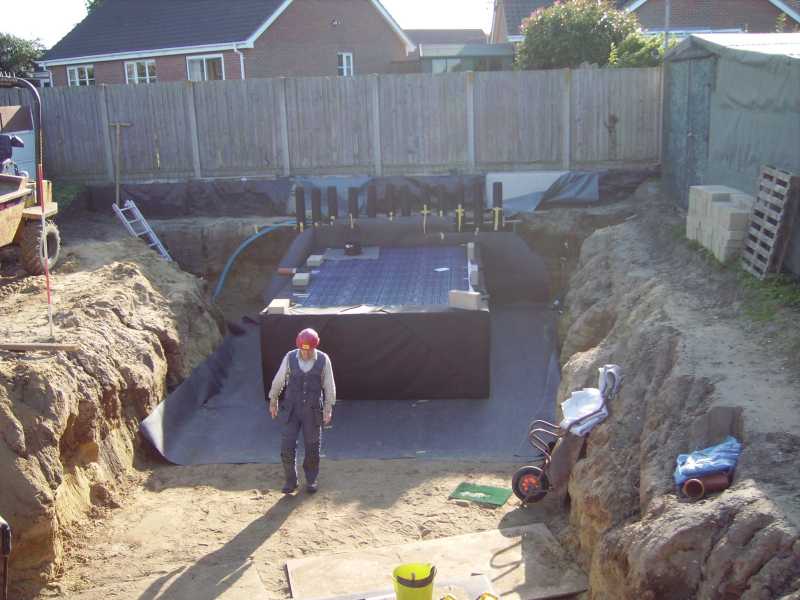
    Time for Christmas Eve! Well we have a lot of wrapping to do…. Wrapped, folded and trimed the polyfelt first. Next the rubber was folded up the sides and the extra rubber in the corners folded neatly.

    a giant elastic band around the crates

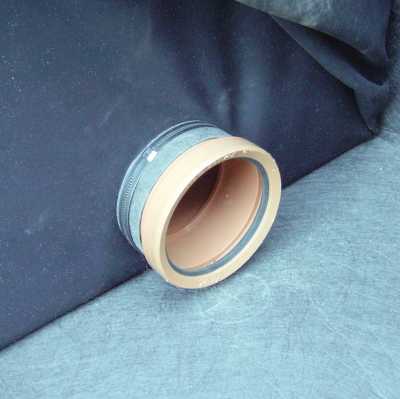
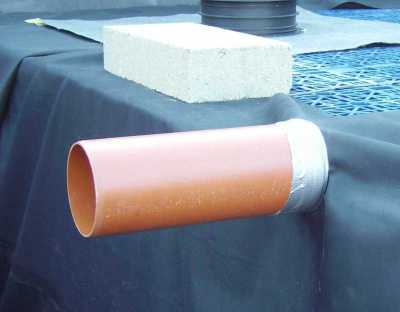
    We formed a couple of pipe connections for expansion at the bottom right and overflow at the top left. These were sealed by cutting a half-sized hole in the rubber and stretching it over the pipe. This formed a ring of rubber about 2cm along the pipe which was covered in a stip of geo-textile and clamped with a stainless steel tie. The overflow level is 40mm from the top of the tank.
    expansion port connectoroverflow pipe

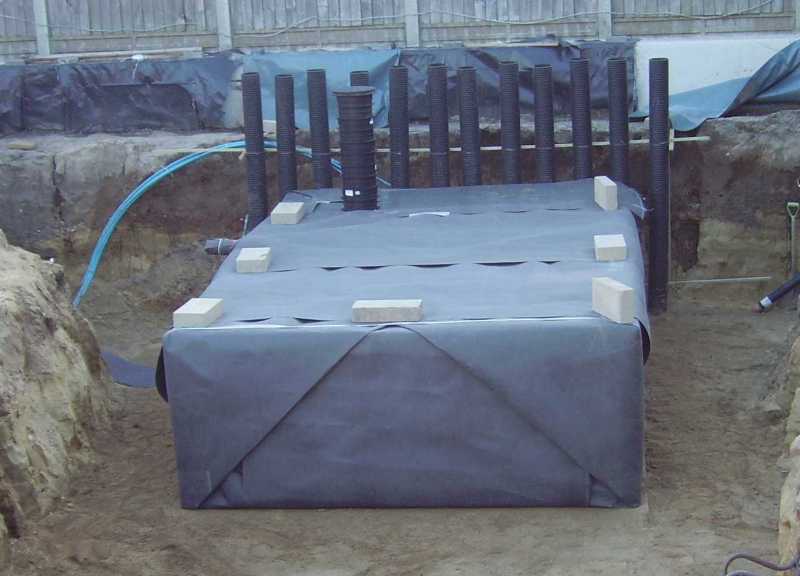
    Finally we wrapped up the outer geo-textile and added more geo-textile as a lid. The access shaft was installed last.
    crates wrapped up for christmas