Category: Site Management

  • Tidy Up and Replace Lighting Units Plus Installed New Camera System

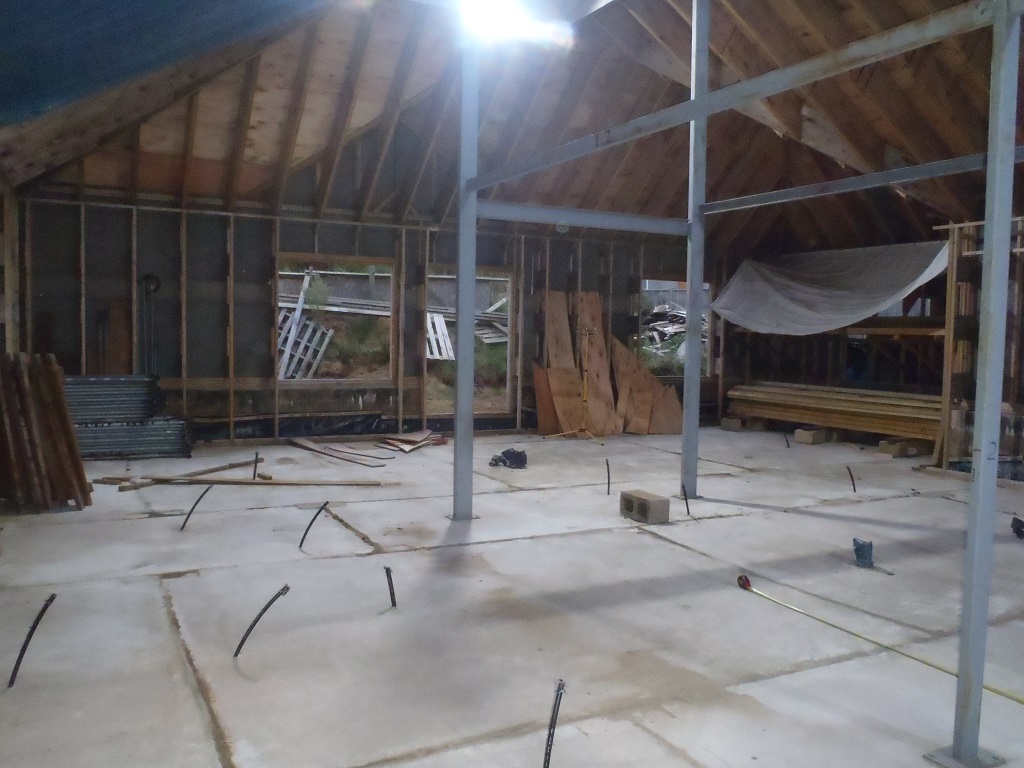
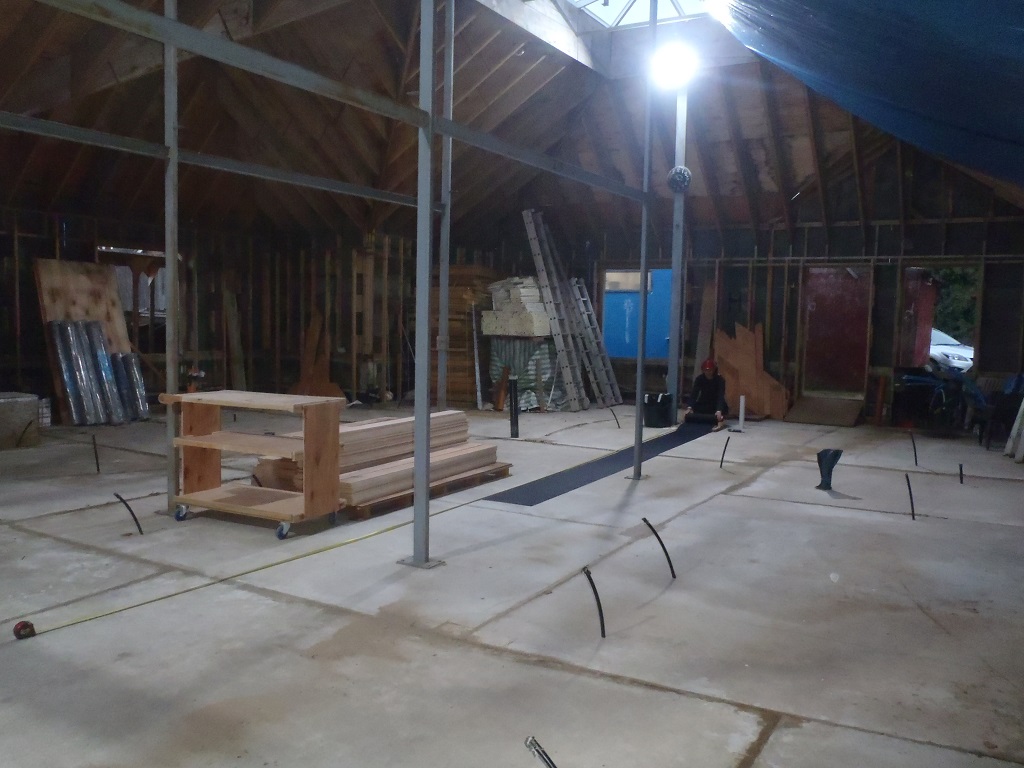
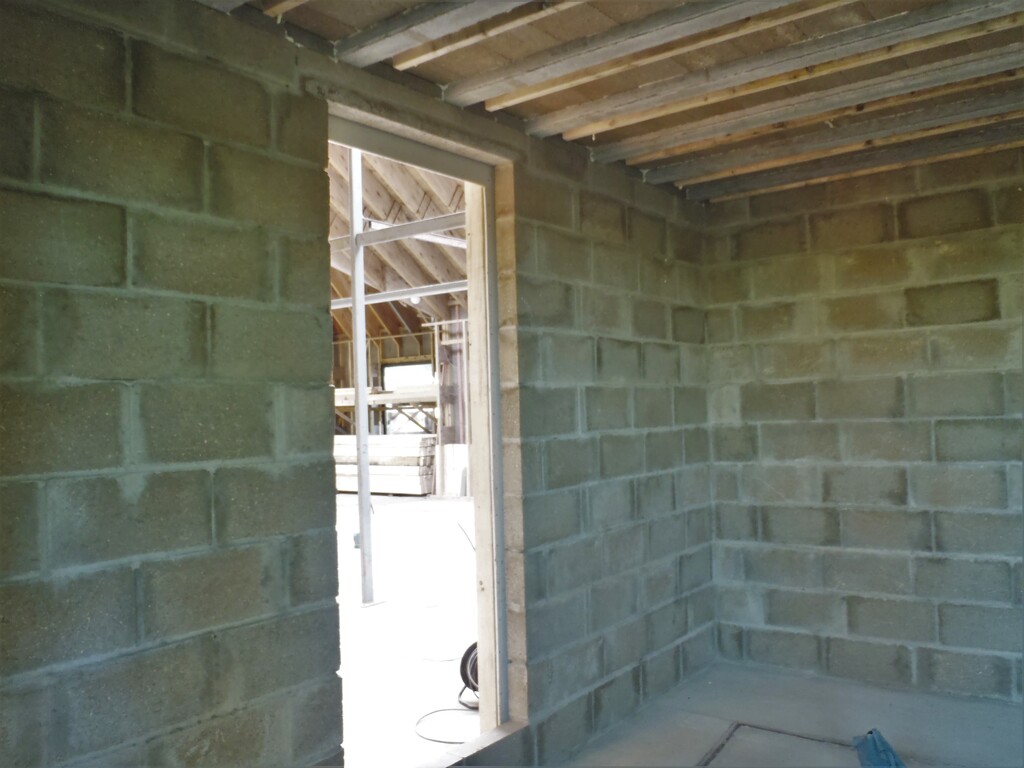
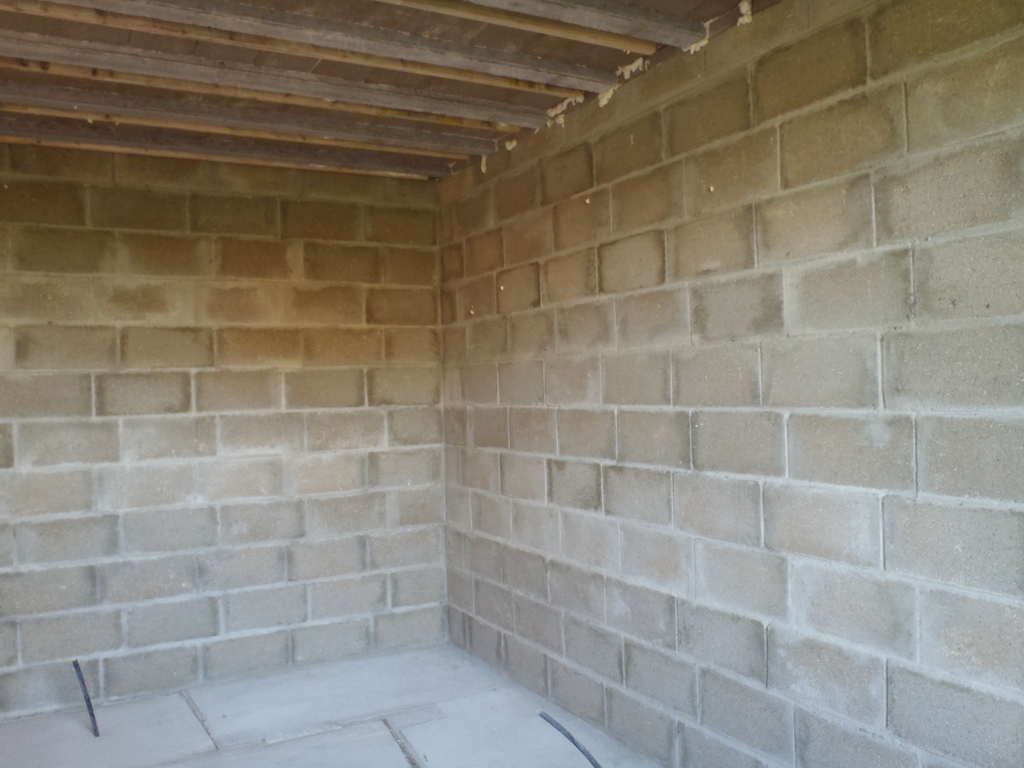
    After skipping the first day of the new week because of some appointments, the next three days we went around tidying up the house after we had finished the Entertainment Room, dismantling the wooden platforms that were still inside the room. We also cleaned up all the mortar spillage that had dropped down to the floor and swept all the rubbish out.

    Tidy Up and Replace Lighting Units Plus Installed New Camera System

    EntRoom-Shell-Finished-1

    Tidy Up and Replace Lighting Units Plus Installed New Camera System

    EntRoom-Shell-Finished-2

    Tidy Up and Replace Lighting Units Plus Installed New Camera System

    EntRoom-Shell-Finished-3

    Tidy Up and Replace Lighting Units Plus Installed New Camera System

    EntRoom-Shell-Finished-4


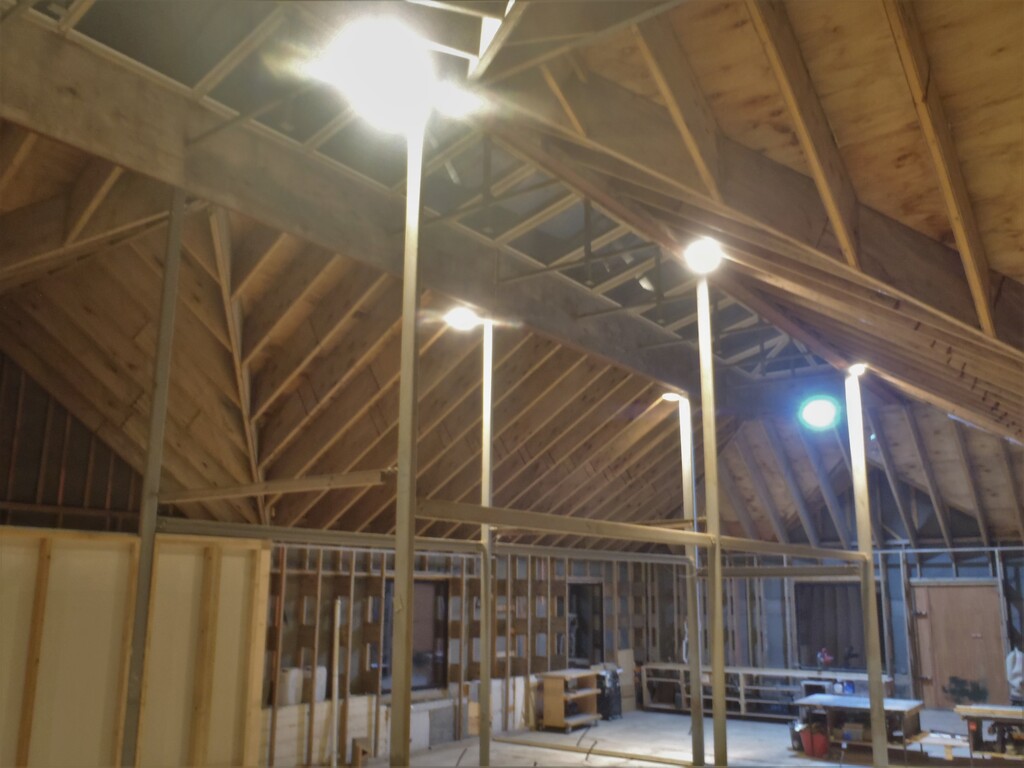
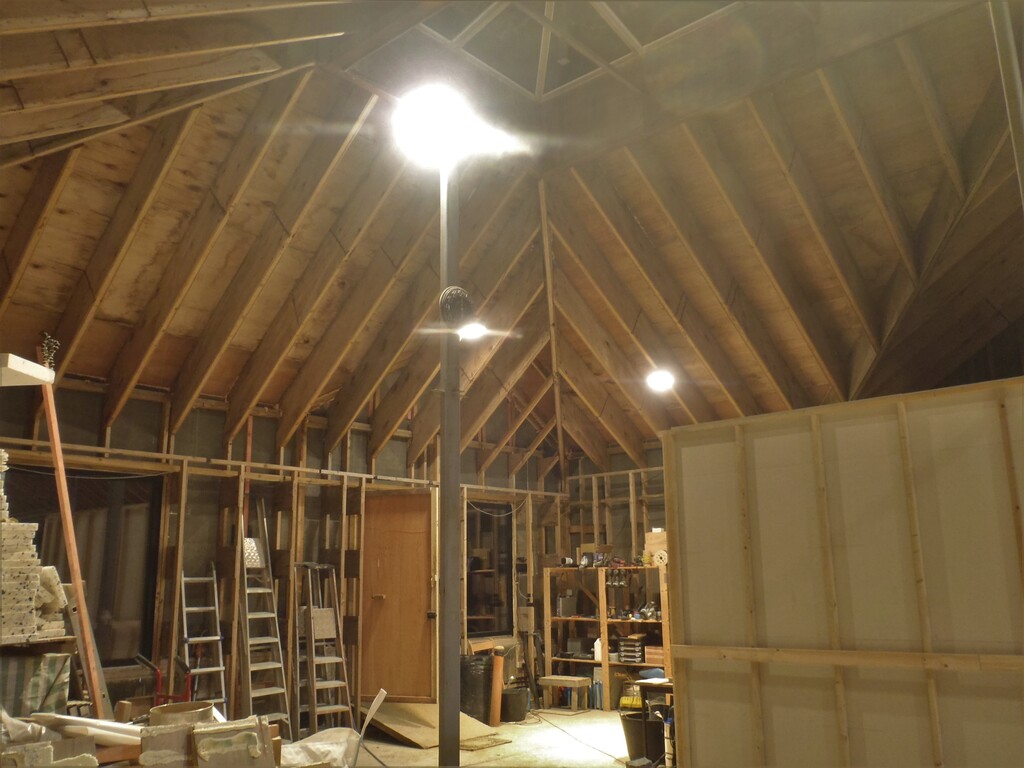
    Next was to replace the burnt out floodlight we had up on the Skylight and put up eight new smaller 100W LED lighting units. We put two in the Utility Room which is becoming our new Tools area. Then mounted the remaining six units around the Skylight area, near each metal support leg, and rotated the existing 300W LED floodlight more horizontally to illuminate our workshop area down in the Great Room.
    Tidy Up and Replace Lighting Units Plus Installed New Camera System

    New-work-lights-1

    Tidy Up and Replace Lighting Units Plus Installed New Camera System

    New-work-lights-2


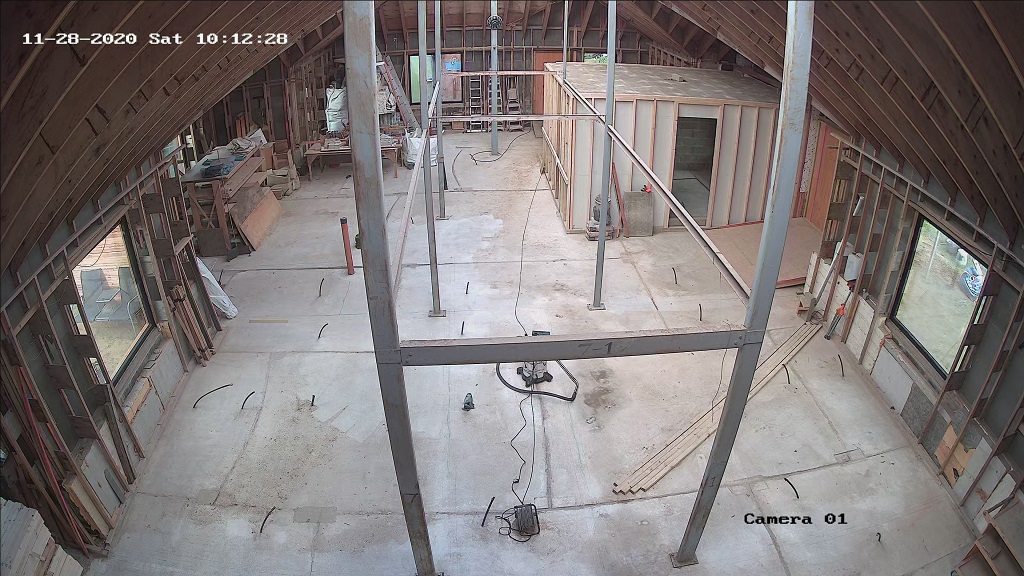
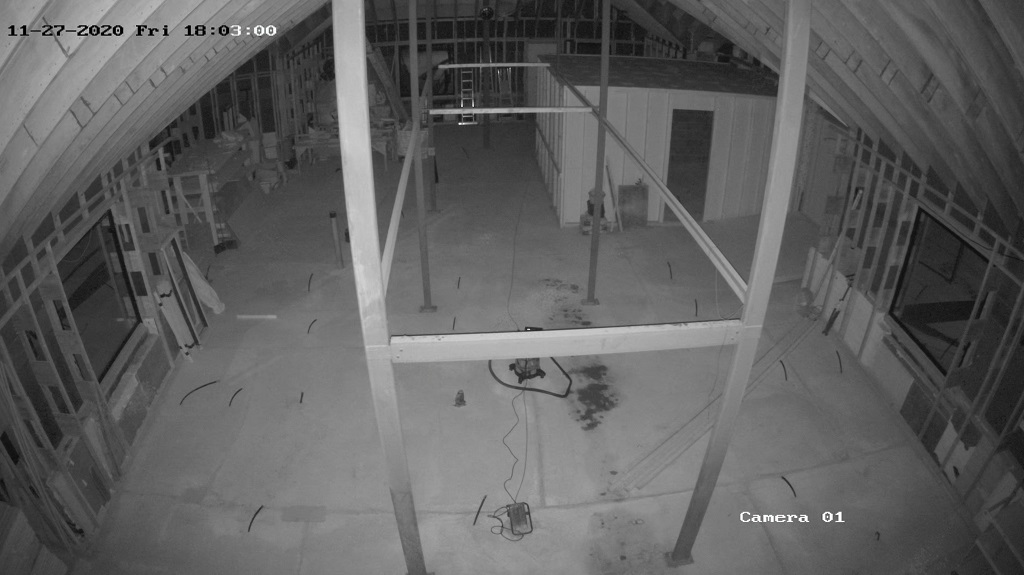
    The third thing that happened this week, was the installation of our new camera system. A dedicated recorder box and a couple of 4K cameras. We put the recorder in the Utility Room and then ran a cable all the way down to the other end and up into the rafters to mount the camera as high as we could reach, to look down length of the house. We now can view and record all our work on building the internal rooms and also the first floor rooms too. The second camera is being held as a spare for the time being but it is likely to be employed later on when we start doing individual rooms and will mount it on a upright stand and capture what we are doing.
    Tidy Up and Replace Lighting Units Plus Installed New Camera System

    New-camera-Daylight

    Tidy Up and Replace Lighting Units Plus Installed New Camera System

    New-camera-Nightlight


    The last thing that happened on Thursday late afternoon, was the arrival of the remaining CLS timber we wanted, see Second Delivery of CLS Timber Arrives it took us until Friday lunch time to move all of it into the house.

  • Upgraded Electricity Supply to House to Allow High Power Tools

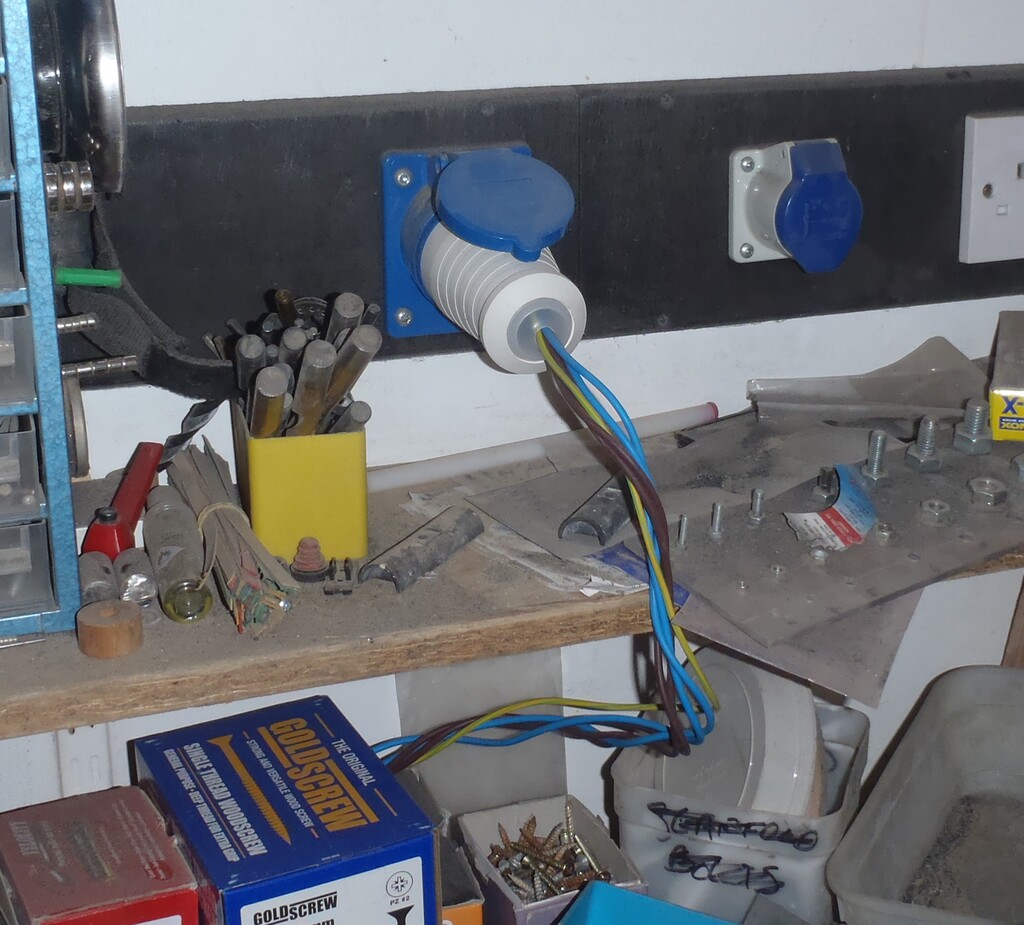
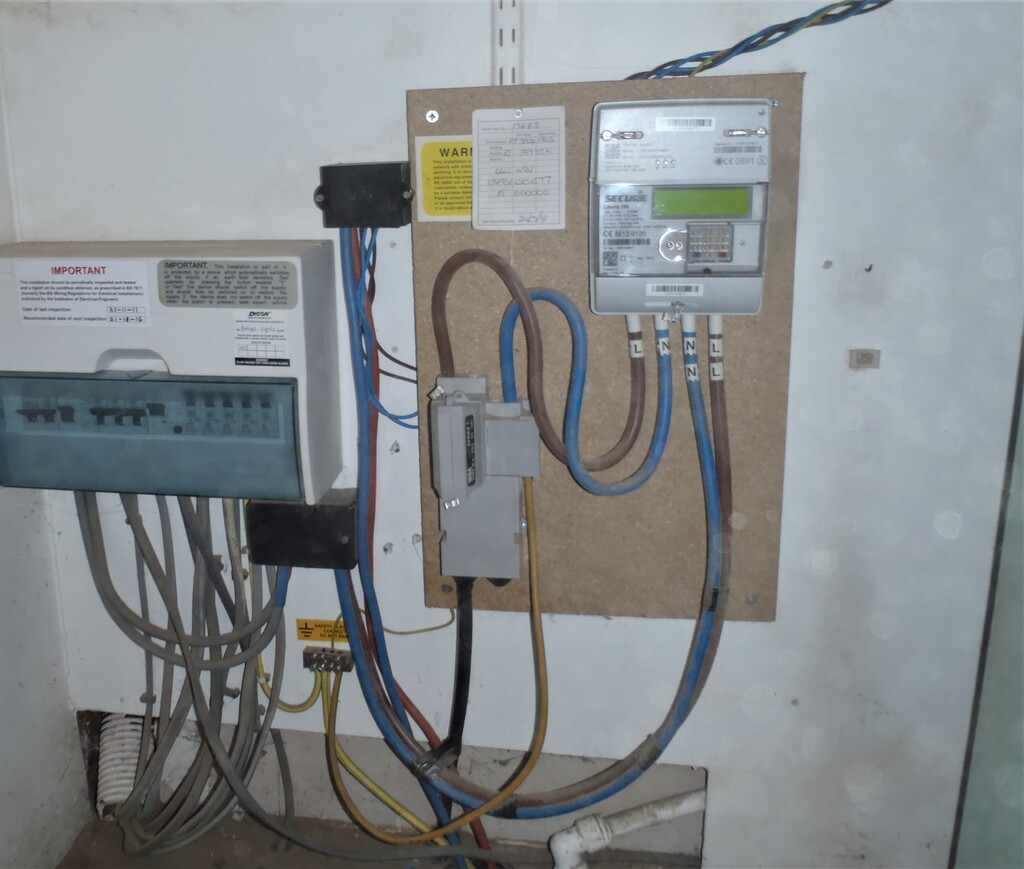
    The last couple of days was spent replacing a simple low power electric spur from the Garage to the main House with a higher powered circuit. We pulled through three twenty five square millimetres fat wires to provide a low resistance connection. It is not directly “plumbed” straight into the main consumer unit in the garage, just a short high powered cable and plugged into an high current round pin socket.

    Upgraded Electricity Supply to House to Allow High Power Tools

    Upgraded-House-supply-32A-Plug

    Upgraded Electricity Supply to House to Allow High Power Tools

    Upgraded-House-supply-Connection-from-Large-wires-to-Plug


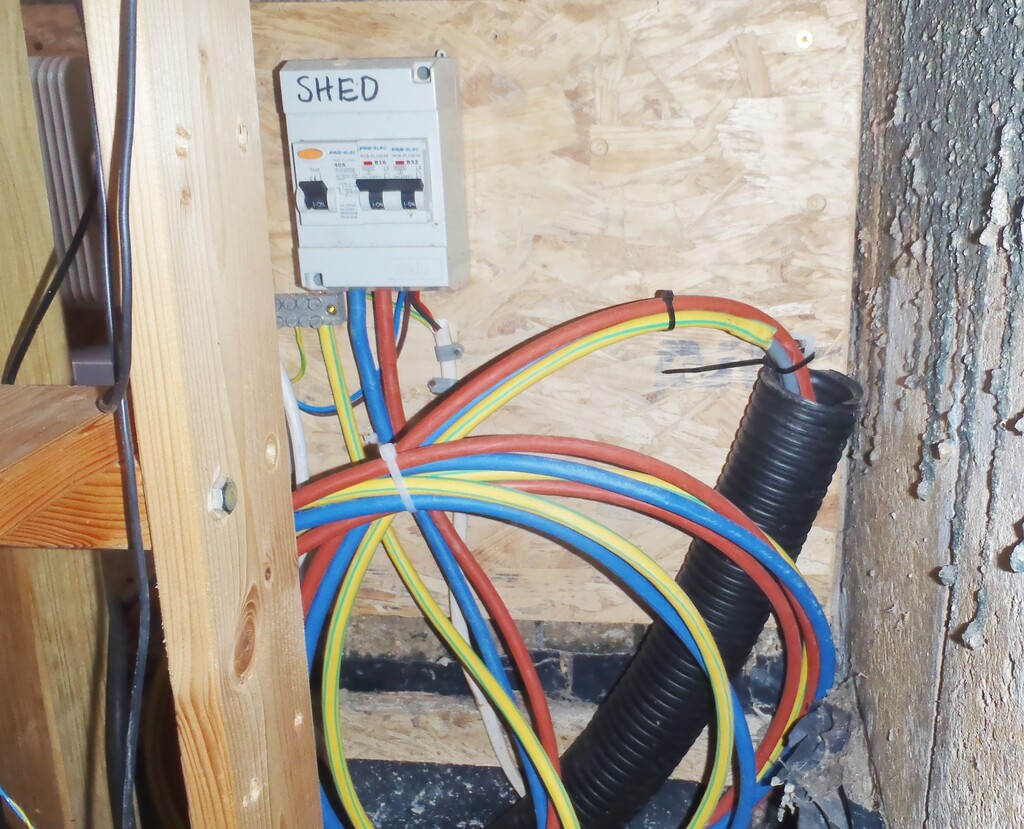
    We left plenty of extra wire at the house end then connected them to a small consumer unit which has a main switch and two circuit breakers.
    The House now has two main points for mains electricity connections, at both ends of the house, in the Great Room where we will be setting up our work bench, table saw, planer and vacuum system and the other point in the Utility Room to run our domestic equipment plus a reel extension cable ready to go outside when needed.
    Upgraded Electricity Supply to House to Allow High Power Tools

    Upgraded-House-supply-Temporary-distribution-box


    One of the other jobs we will need to do is to connect our compressed air supply and seal off the various outlets that are waiting for an appropriate socket mounted on them and then we can have the ability to have nail gun capabilities without having to run a hose from the compressor in the garage and across our driveway.

  • All Window Frames Created and Installed New Better Looking Fencing for Loke

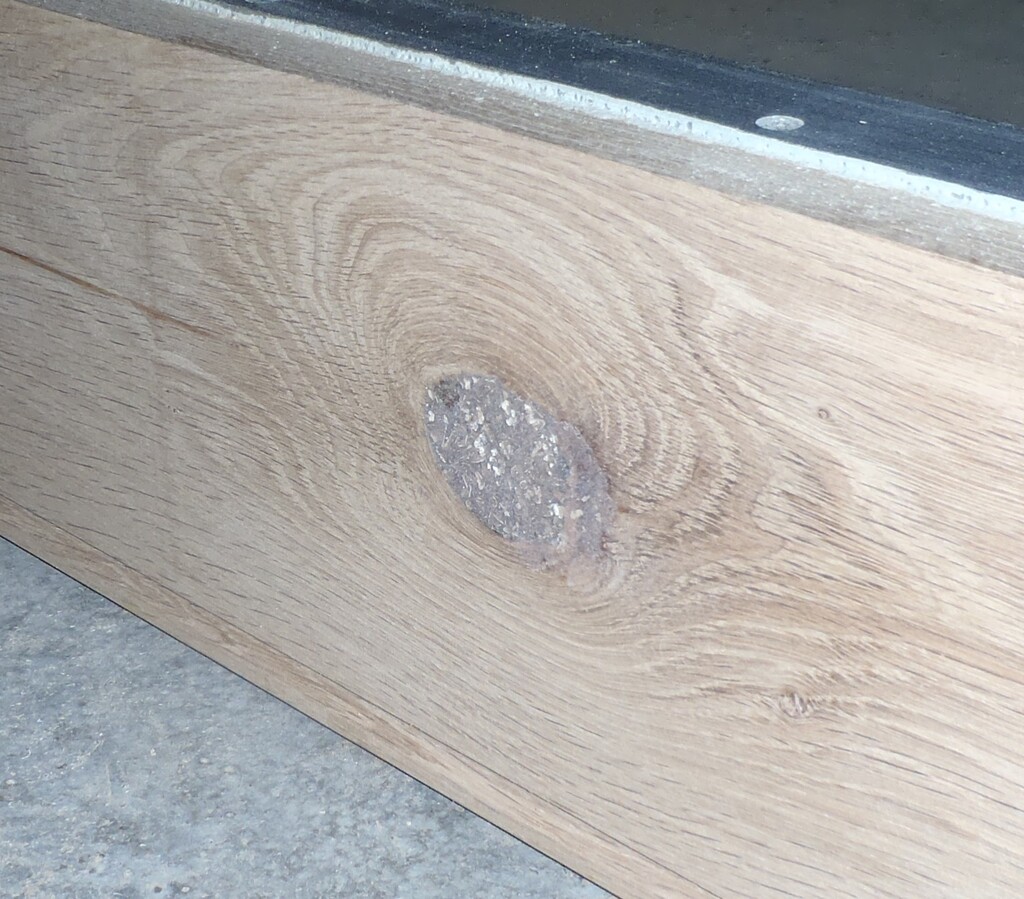
    For the start of the new week, we sanded down all the wood filler we had applied to the Sill and Header pieces where there were small knot holes and in one case, a very big knot hole on the under side of one of the sills.
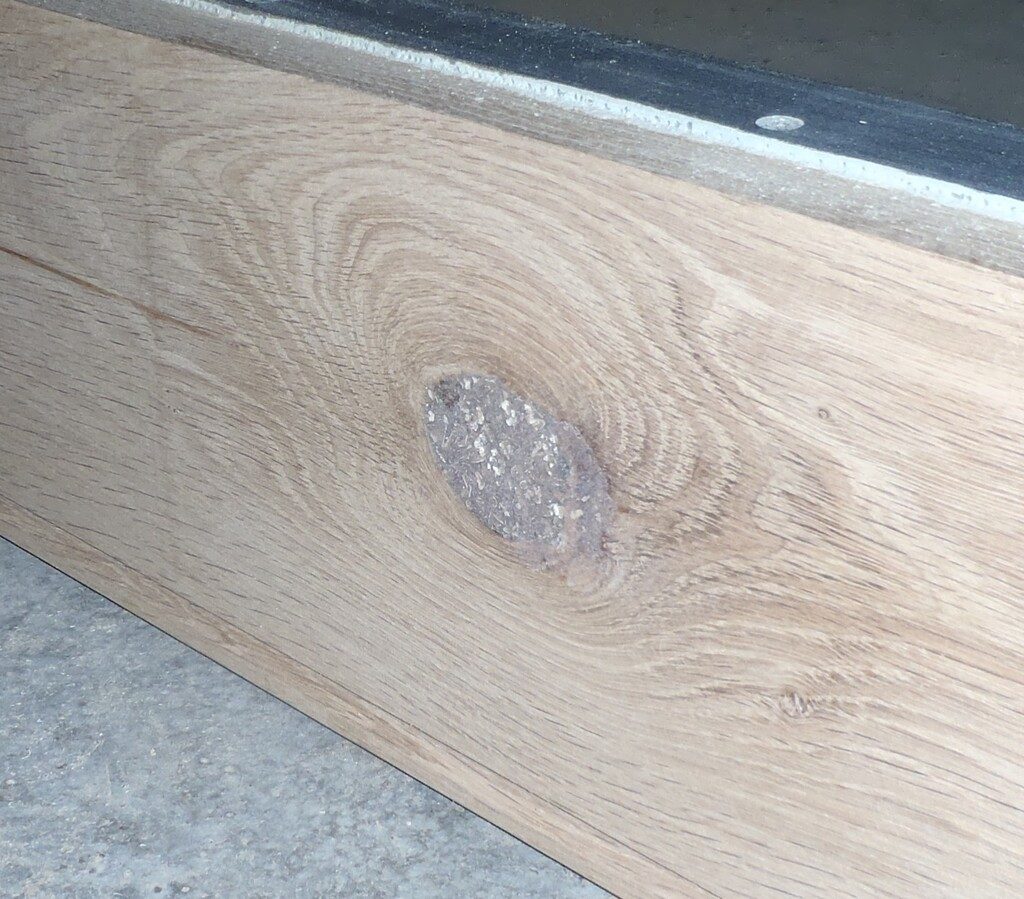
    All Window Frames Created and Installed New Better Looking Fencing for Loke

    Large-knot-hole-after-filling-and-sanding


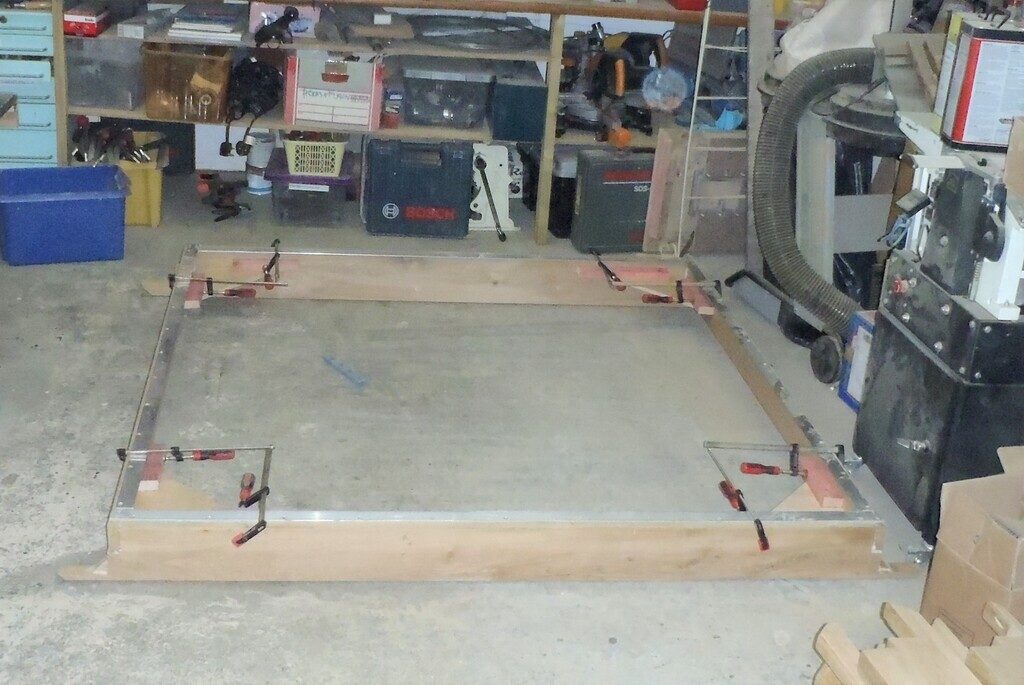
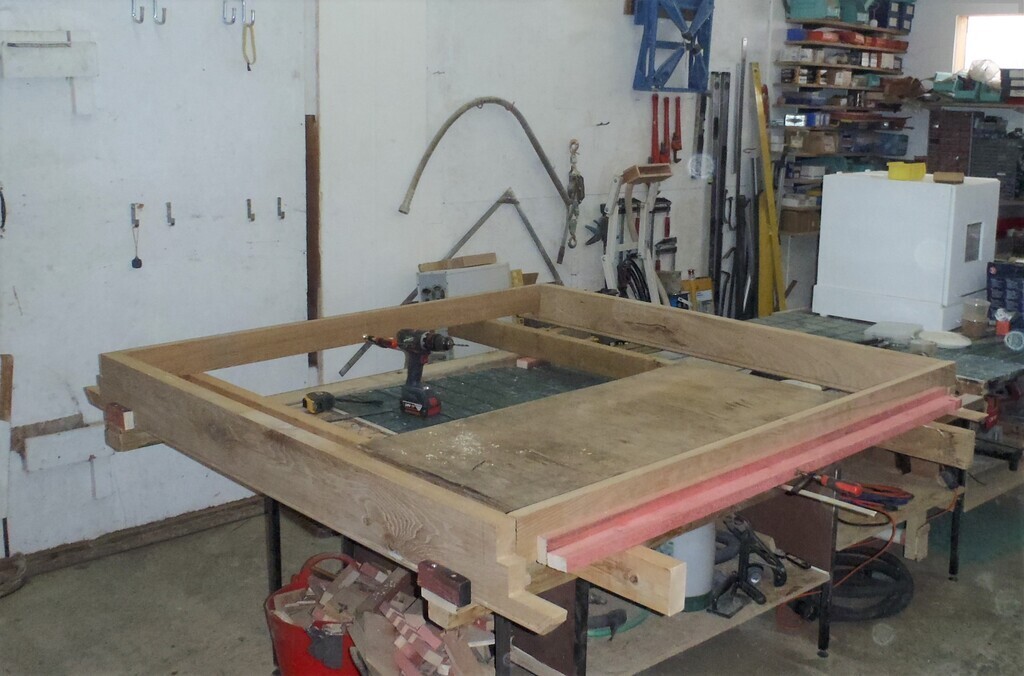
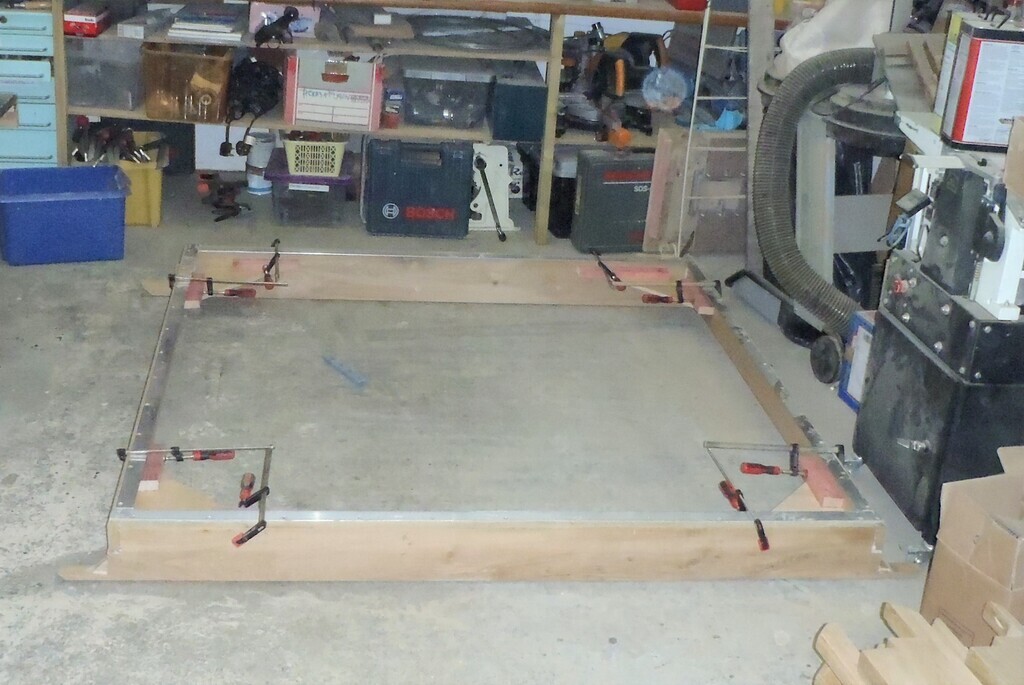
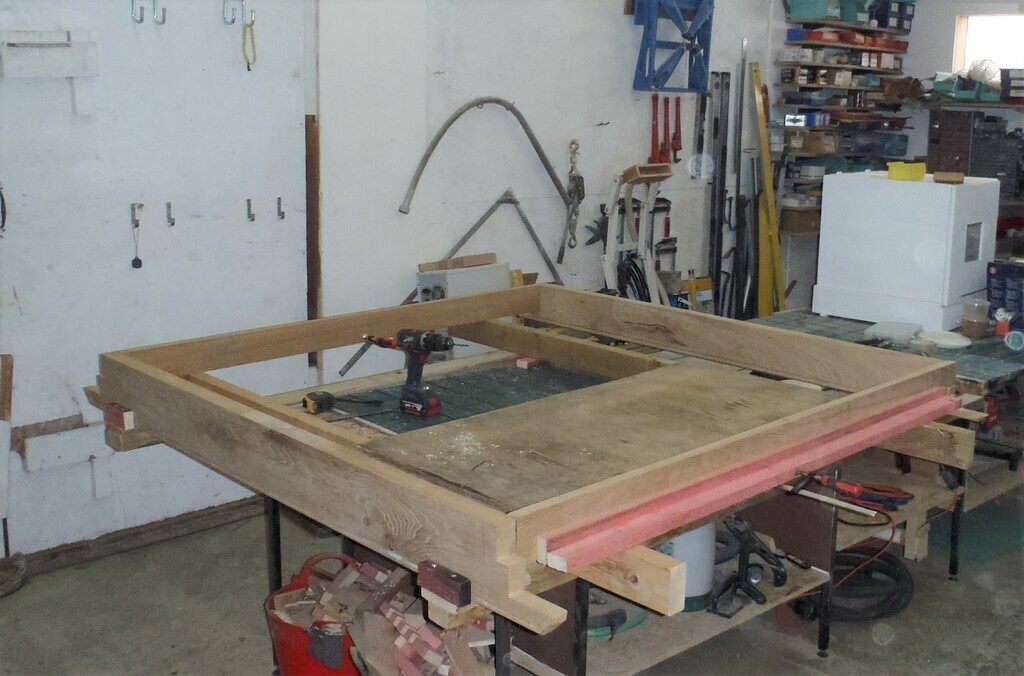
    Then we started making a jig to hold the various oak pieces that makes up our Window Frames. We have nine large windows to put together so having this jig will greatly help us maintain tight alignment and good square right angles, consistent across all windows.
    All Window Frames Created and Installed New Better Looking Fencing for Loke

    First-try-of-the-assembly-jig


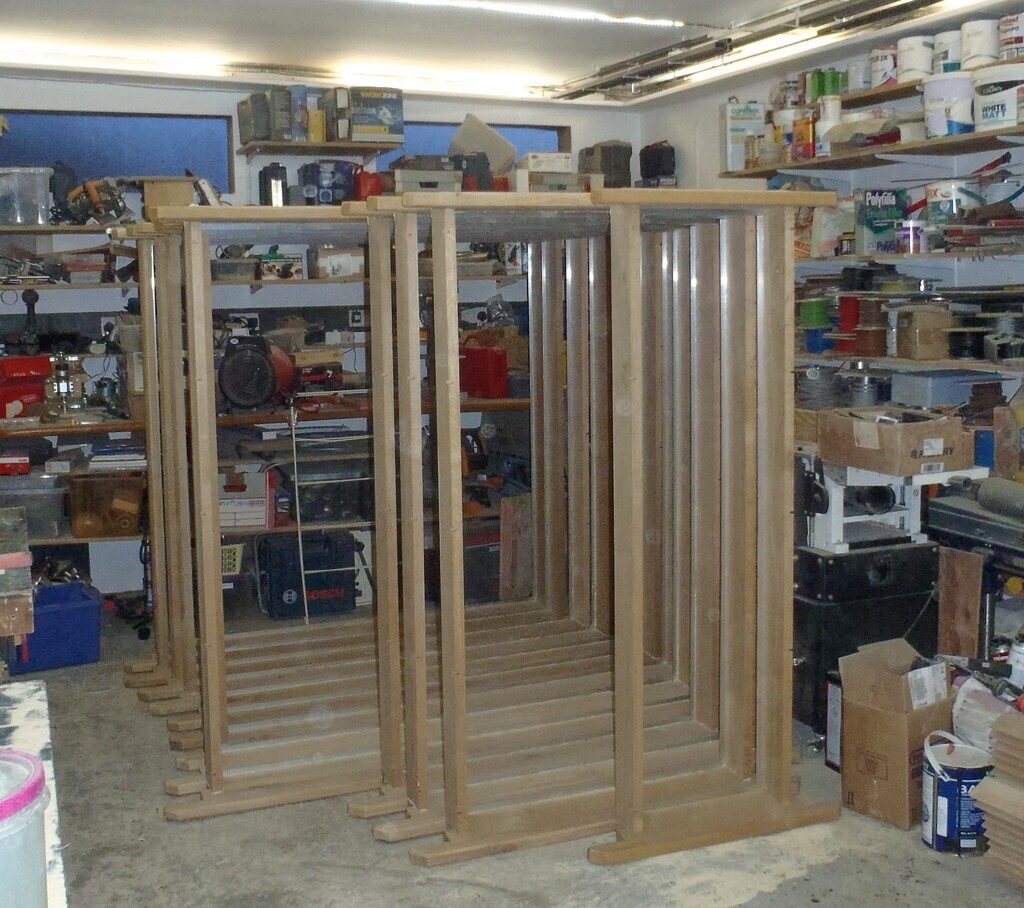
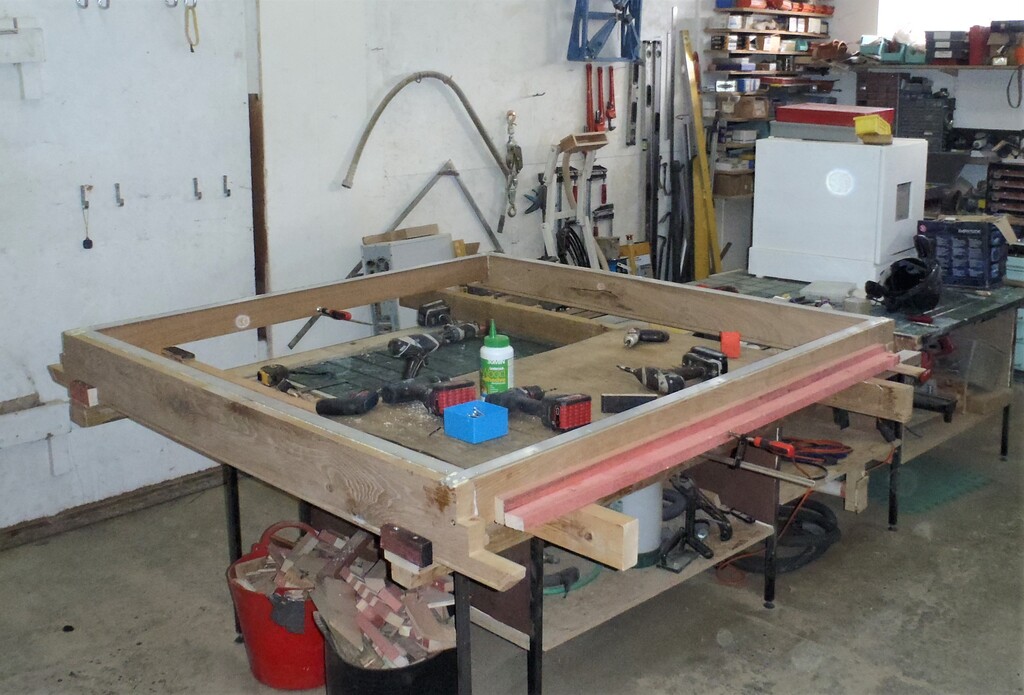
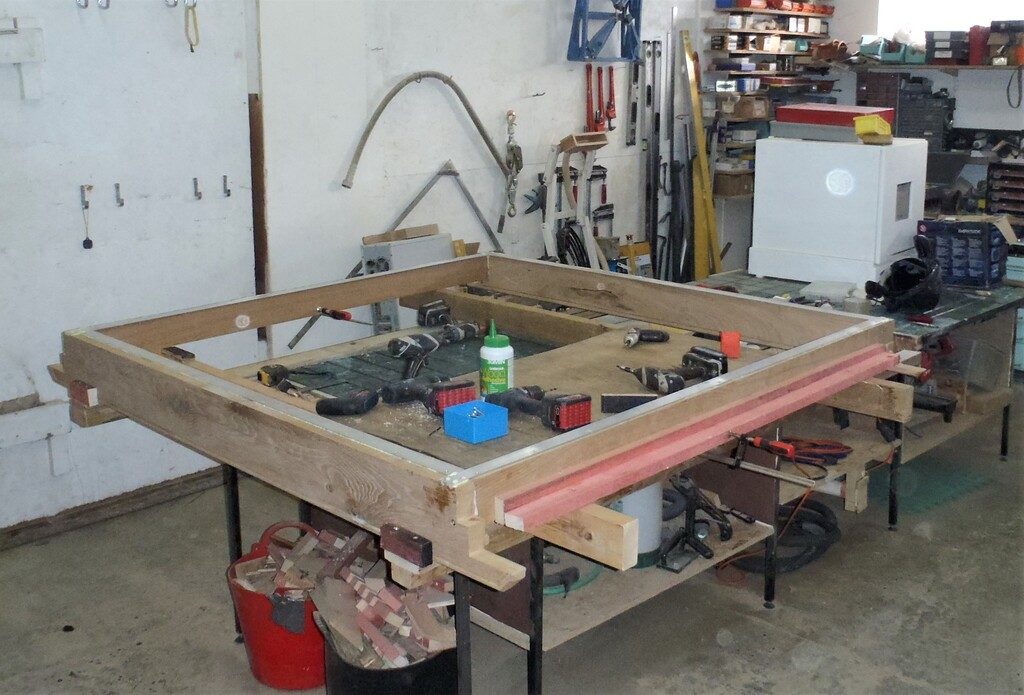
    Then over the next couple of days, we proceeded to build those nine frames, using the tough thick PU slow setting glue for the major joints in all four corners and the faster thinner PU glue to hold the four aluminium strips into place around the edge, ready to support the triple glazing unit.
    All Window Frames Created and Installed New Better Looking Fencing for Loke

    The-first-window-is-assembled

    All Window Frames Created and Installed New Better Looking Fencing for Loke

    and-waiting-for-the-glue-to-cure


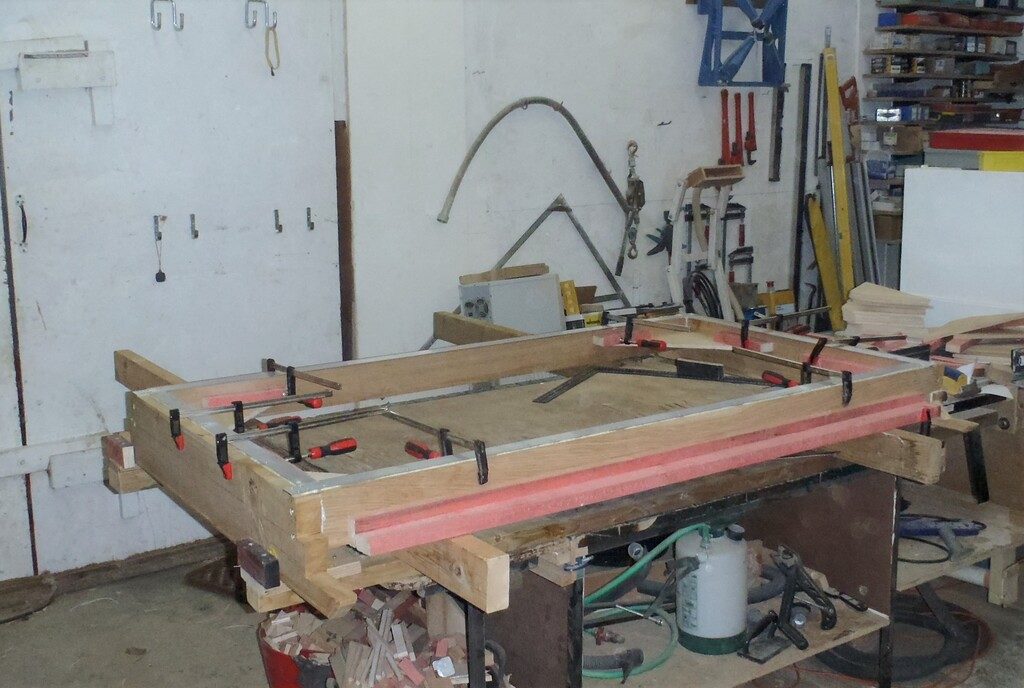
    Then we adjusted the jig to do the two smaller window frames and finally the smallest one too.
    All Window Frames Created and Installed New Better Looking Fencing for Loke

    Last-window-assembled

    All Window Frames Created and Installed New Better Looking Fencing for Loke

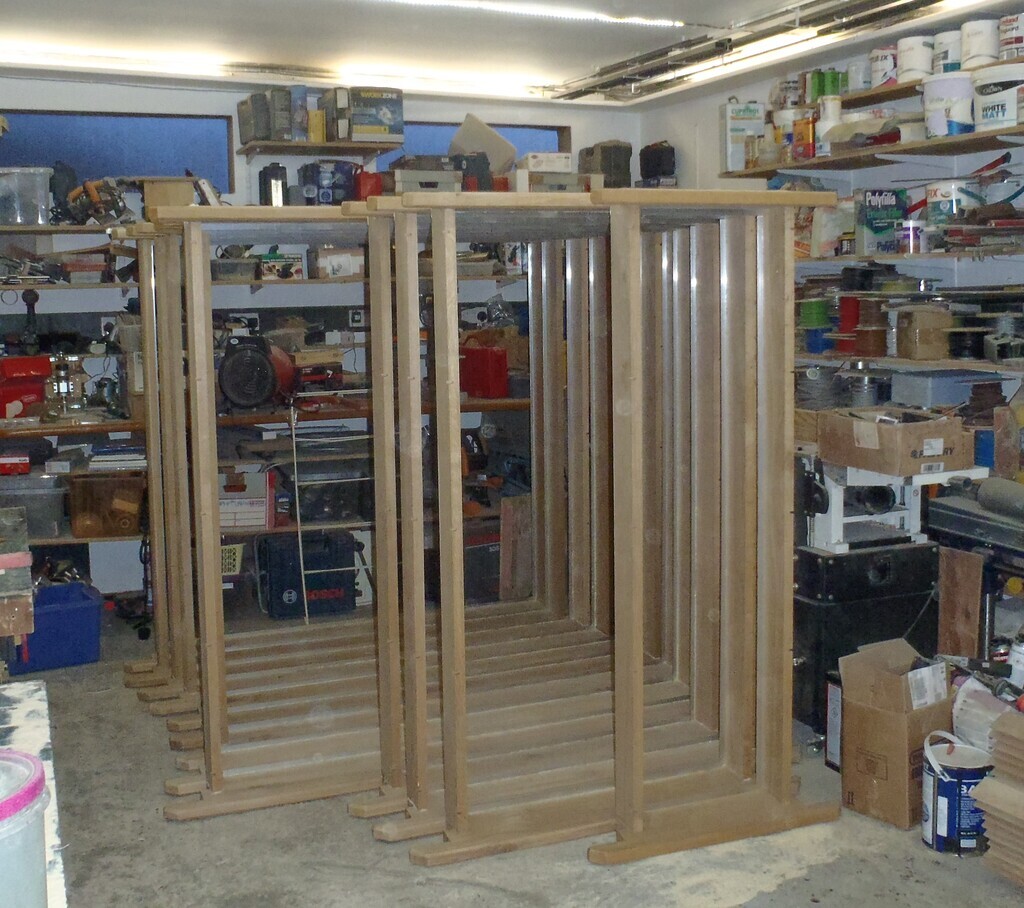
    All-13-Windows-assembled


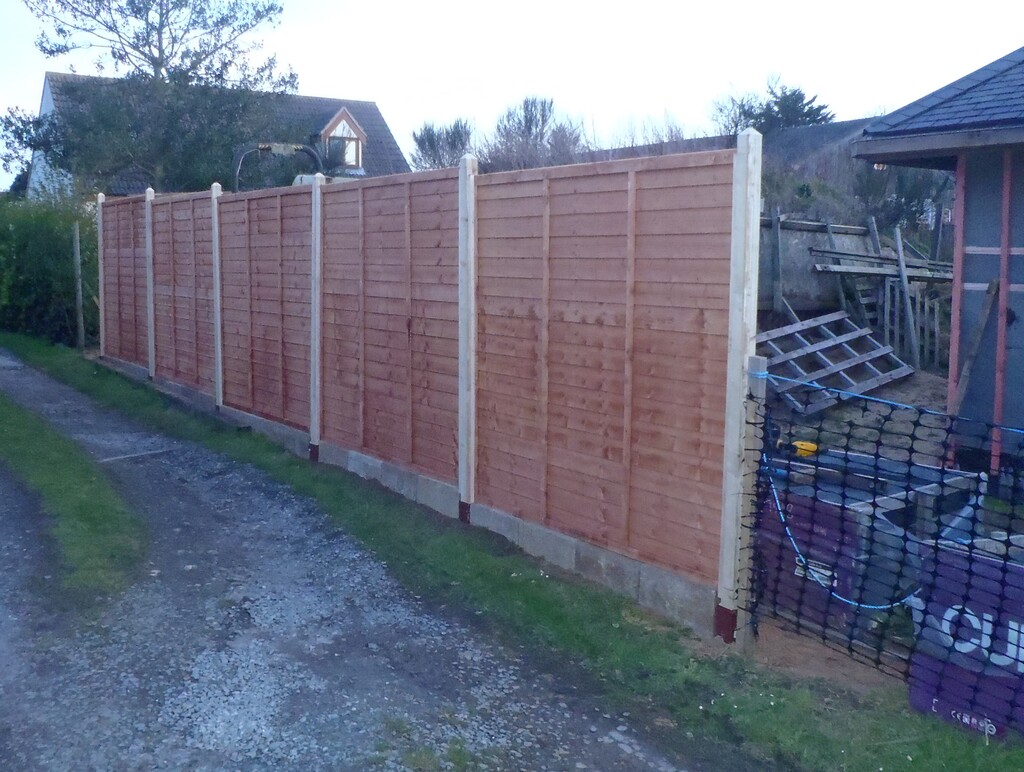
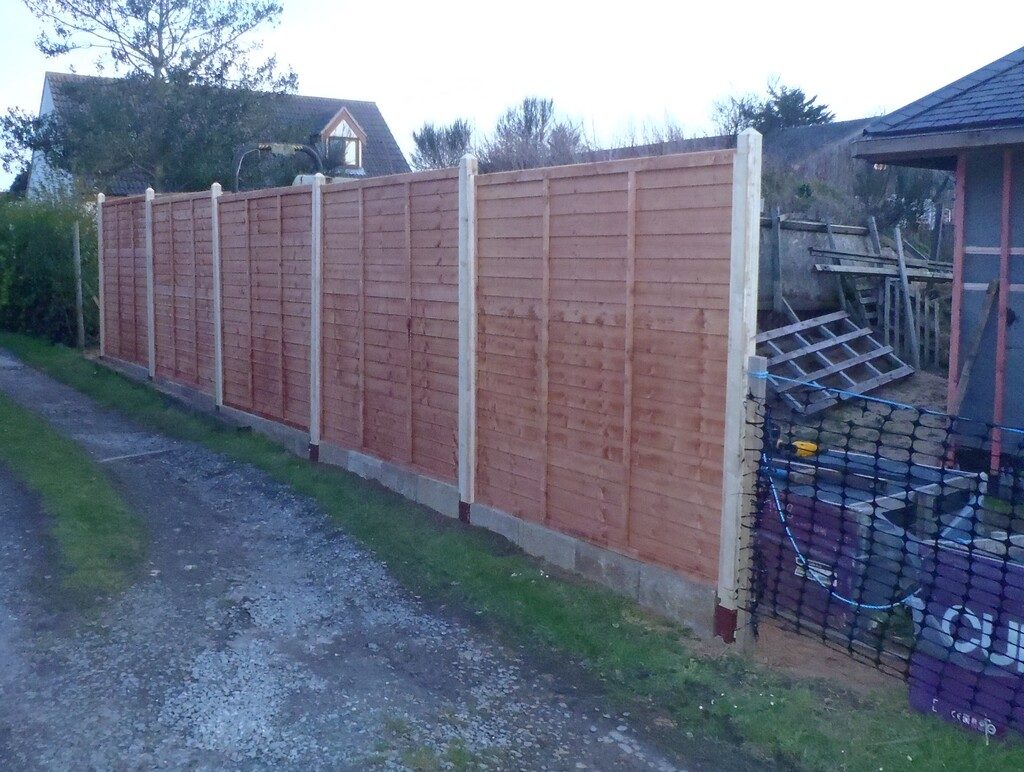
    So that being done, and while waiting for the glue to set, we got on with another job, something completely different this time, putting up a new fence along our Loke to hide and block off the view of our mini-digger and some plies of old pallets etc. We bought the cheapest fence panels we could find, just £100 for five 6foot square panels and six metal post sockets to take 75mm square wooden posts. We made those posts by using six planks of our treated 63mm CLS timber and doubled them up to form 76mm by 63mm posts. We glued the two pieces together and once set overnight (we used some really old slow setting PU glue), we then trimmed the end to form a neat pointed tops. Plus also we stuck on a slab of cement board, just the right size to pad out the bottom of the post so it was the correct dimensions to fit nice and tightly into the metal sockets.
    After that, we dunked both ends in timber preservatives, making sure the bottom ends had a good 30 minutes sitting in the liquid.
    While that was going on, we went outside to clear away part of the old plastic mesh fence and pulled out several old wooden posts. Then collected 21 concrete blocks which will form the bottom layer underneath the panels, to raise them up off the dirt. The original round 3inch post was pulled up and moved to be right next to the hedge and we used this to tie on a string to make a taut straight line to align everything up. We were very lucky these last few days with lovely weather and that enabled us to go out and install our new fence panels, with their six new homemade wooden posts plus getting the concrete blocks set into the dirt in a level straight sections, one for each panel, before stepping up. The Loke is on a slope of about 2or 3 inches for every 6 feet, so our panels steps up each time.
    It was all fairly simple to do, getting the posts into place using a double spirit level gadget that measures the verticality in both directions at once. The metal sockets have very long spikes that easily slides into the ground and two nuts and bolts to clamp the sides of the socket onto the post.
    We made a heap of rotating toggles to hold the fence panels on the inside and nailed up long strips (about an inch square) on the outside to make a neat presentation for the whole fence line. These toggles allows us to quickly release each panel, just in case, we have a delivery that needs access to unload items.
    Section-of-fence-to-block-the-view-of-our-junk-from-our-neighbor

    Section-of-fence-to-block-the-view-of-our-junk-from-our-neighbor


    We will make a simple ‘gate’ to fill in the remaining gap that we left behind to stop most people from just accidentally wandering into our garden but have this gate to allow us to get out onto the Loke if we want to.

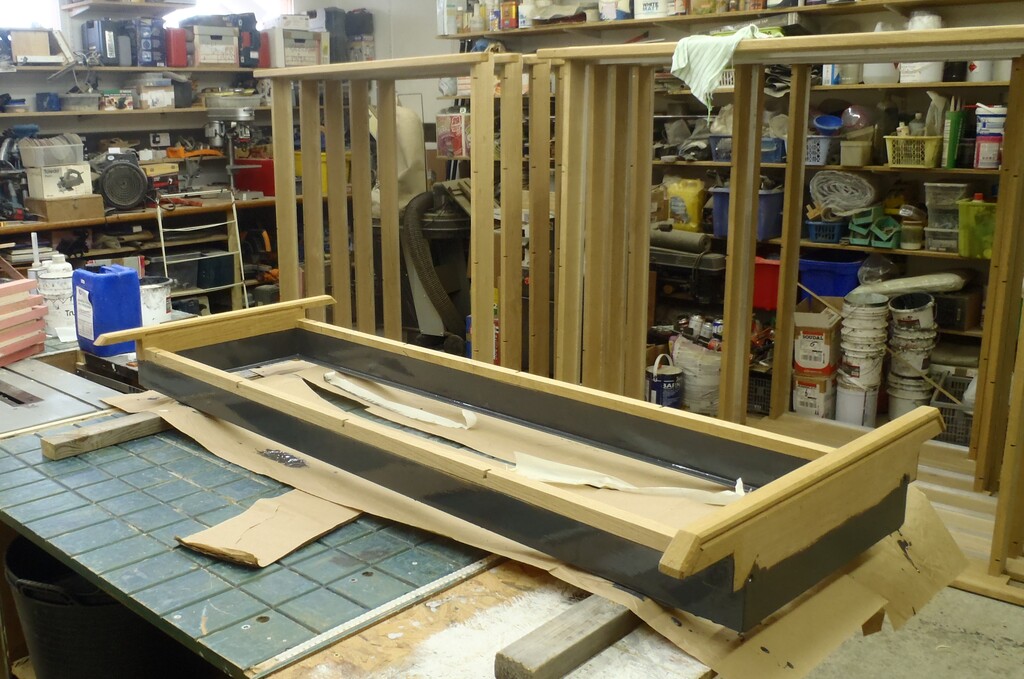
    Finally, for the last day, Saturday, we got back to cleaning our newly glued window frames, rubbed down all the surfaces to remove any dribbles and cleaned the aluminium strips. We now have a heap of solid window frames, waiting for the next task to be performed on them, which is to apply a waterproofing coating of resin in and around the area where the glass will be situated, especially down on the sill so that any rain water that gets passed the outside beading holding the glass in, will just run straight back out again and not sit on the wooden surface and potentially cause damage with rot.

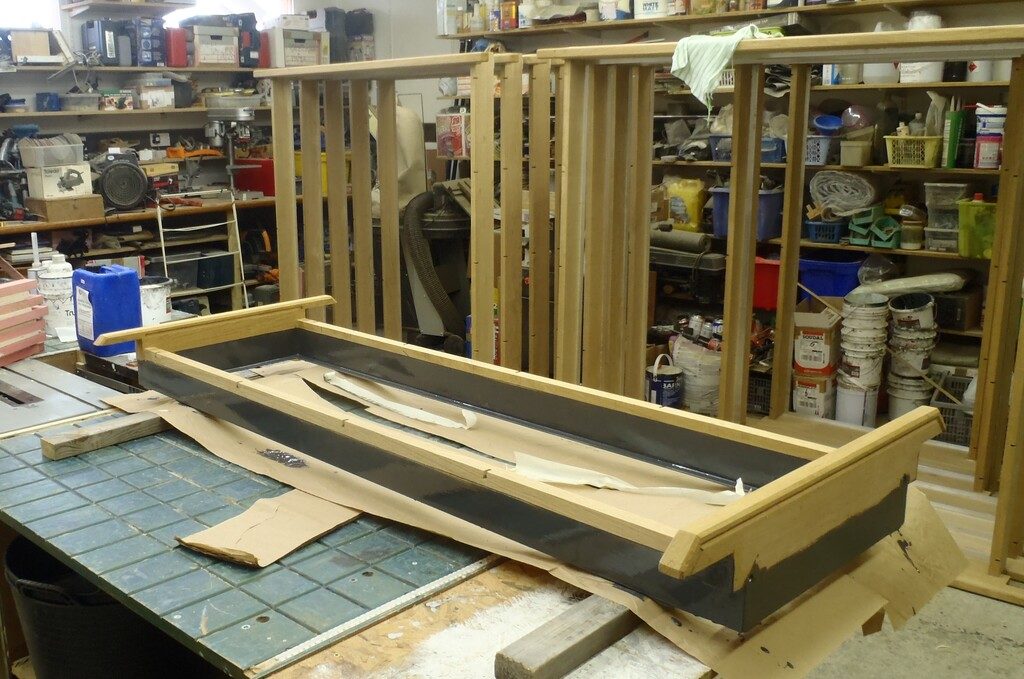
    But First of all, we did some testing with a special blend of polyester resin where we added twenty percent ‘flexible’ resin which makes the finishing resin layer much more flexible so it won’t crack with movements. We painted some small pieces of wood, one was a thin strip and the second one was two pieces screwed together to form a slightly loose right angle joint. After we had finished cleaning the window frames, we got out our prototype narrow frame to give it a coat in this special resin. We applied masking tapes right around the frame to protect against any dribbles and had only an area of 75mm exposed, which got coated in the grey flexible resin. We didn’t use any fibre glass as we just wanted to seal the oak timber to protect it from rainwater.
    All Window Frames Created and Installed New Better Looking Fencing for Loke

    Testing-the-resin-coating-of-the-frame


    We will see how that looks on Monday and if is ok, we will proceed to do all the other twelve window frames too.
  • Flood Lights Installed Inside House

    We took the opportunity yesterday and this morning, to install two LED flood lights up inside our house. Each 300W unit was fixed right in the roof, just under our skylight on each narrow end section, pointing towards each other and downwards.

    Flood Lights Installed Inside House

    Theinterior-all-floodlit-1

    Flood Lights Installed Inside House

    Theinterior-all-floodlit-2

    Flood Lights Installed Inside House

    Lighted-windows


    We put a waterproof switch beside the Side Door entrance and ran the 5amp mains cable up and along a rafter to the Skylight. The amount of illumination from the 60o Watts of LED lights is about 60,000 lumens or equivalent to 4000 Watts of old fashioned Tungsten flood lights!

  • Widened Area Alongside Outside the Great Room

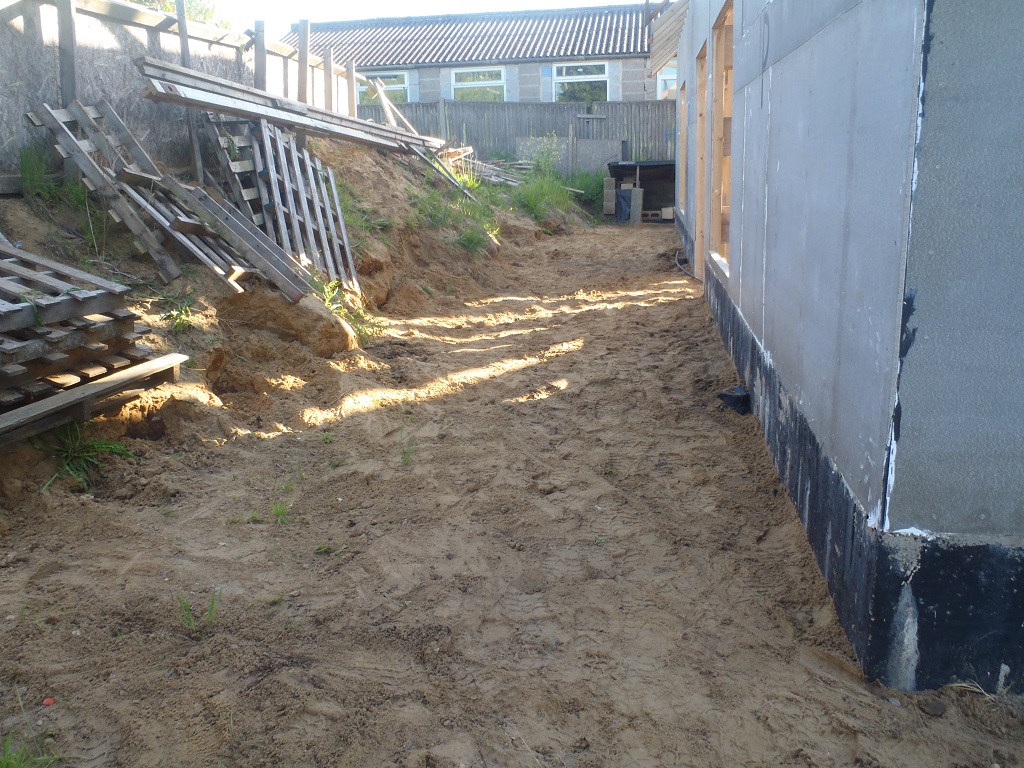
    For a couple of hours in the morning and late afternoon, using some spare time, we tackled the task of making the area outside the Great Room larger so we can position our scaffolding tower beyond the edge of the roof. The sandy soil was banked up so we just shovelled the lower portion of the slope and spread it out.

    Widened Area Alongside Outside the Great Room

    Outside-Great-room-area-widened


    This will allow us to have our building materials and tools closer to hand when we start building up the roof itself, and by extension, gain access to the Skylight too.
    The final job left to do another day, is to use an 8 foot timber to scrape and make sure this area is levelled and wide enough.

  • Juggle Things Around and A Lovely Bonfire!

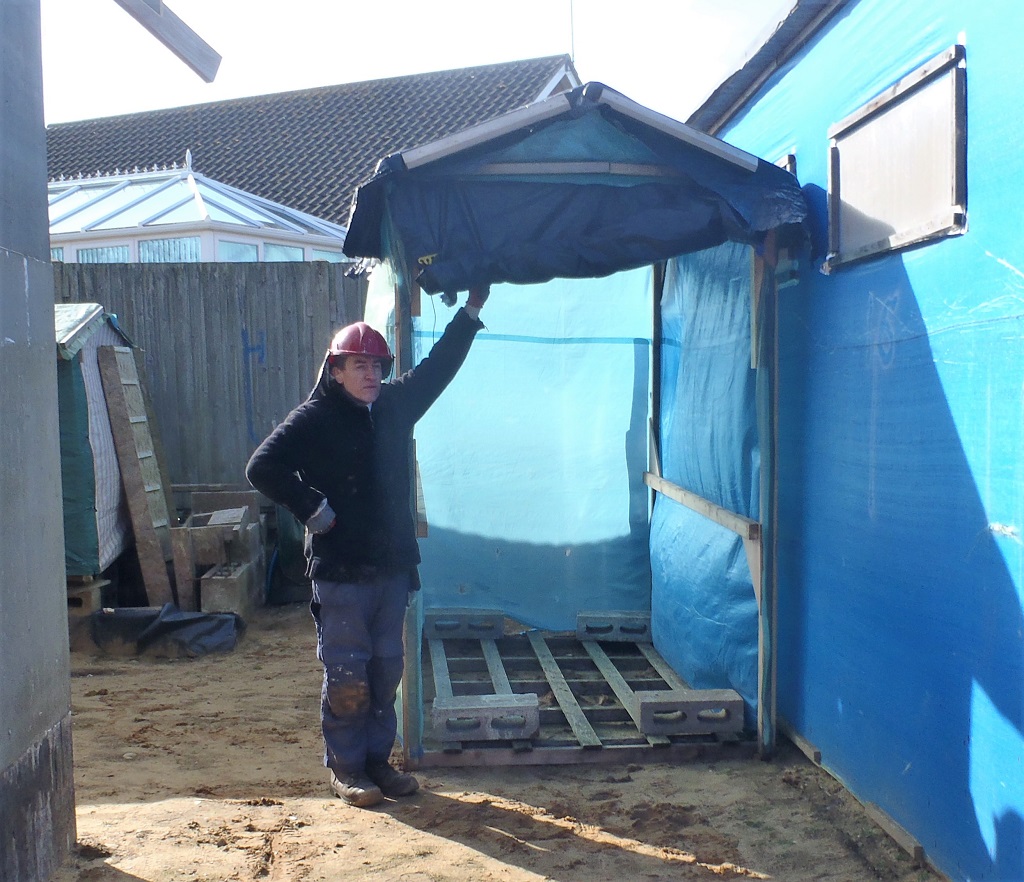
    Today, in a breezy cold wind, we moved the polystyrene foam strips to inside the house as we need the location for the upcoming arrival of a pallet of 12mm B-BB grade plywood boards. These sheets are going to be the exposed (hence pretty B-BB visual quality) roof covering around the outside edge of the roof, out along the eves, the various overhanging porches and out to the gutters.

    Plywood-store-moved

    Plywood-store-moved


    We moved the ‘Wendy house’ covering, doing a bit of reinforcing of the frame and using a new full size palette to their new location, ready for the stack of materials. We will have to move each sheet separately as the delivery lorry will not be able to get down our Loke and it wont have a crane to help us, so it will be a case of man-handling all 75 sheets up on the main road and using our large flatbed trolley, to transport them down the Loke in 2 or 3 trips, depending on the weight. The total weight of the 75 sheets is over 1½ tons!!
    Juggle Things Around and A Lovely Bonfire!

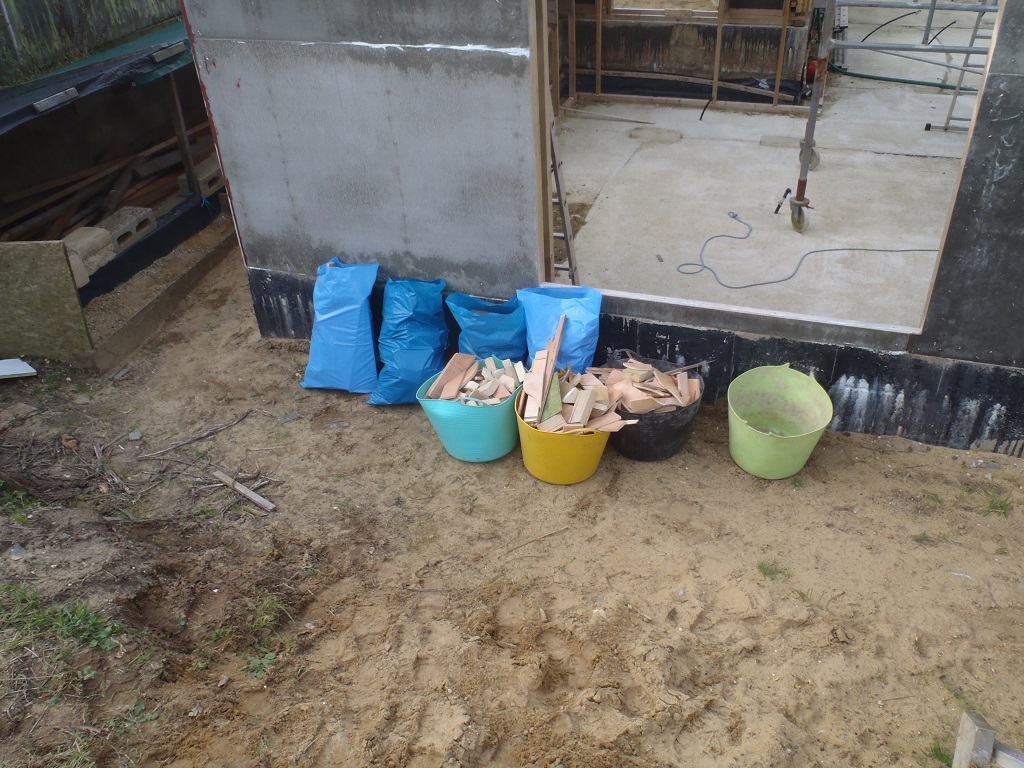
    Lots-of-offcuts-to-burn

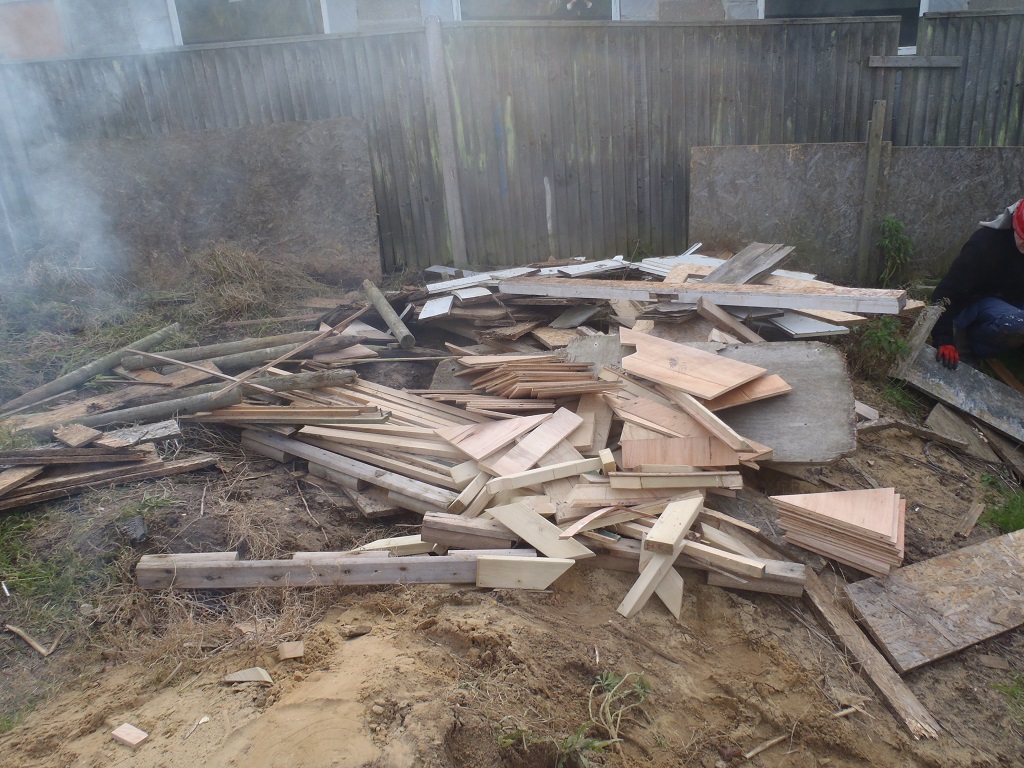
    Pile-of-scrap-wood-to-burn

    Pile-of-scrap-wood-to-burn


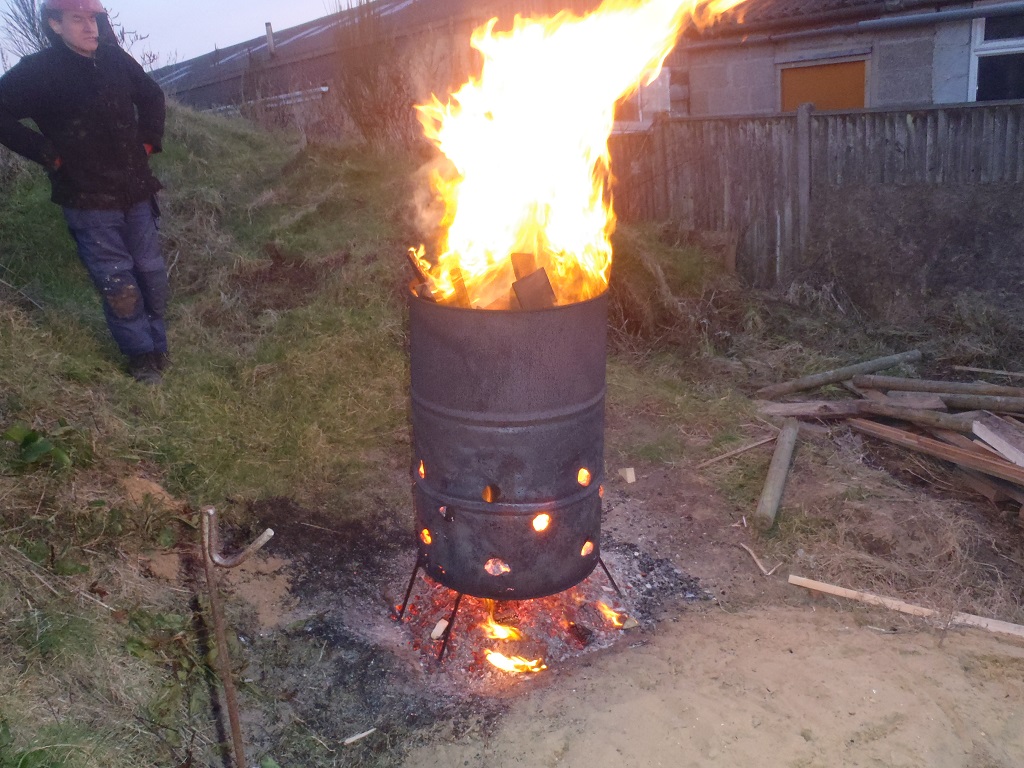
    After lunch, we decided to do a lovely job of having a bonfire! We have been accumulating lots of trugs and bags of rubbish so it was time to get the fire barrel going and get rid of some of the rubbish, especially the heap of OSB bits and pieces and other junk slated for the fire.
    Blazing-Incinerator

    Blazing-Incinerator


    It was a lovely bonfire and very hot! The barrel is a very good incinerator and concentrates the heat into drying out the old rubbish and burning it after a few minutes.
    Next week, we have the forecast of heavy snow arriving from Russia so it will definitely be the case of working in the workshop and hopefully Shaun will be able to do some heavier work. The weekend will be a good chance for more recovery of his muscles!!

  • Cleared Space in Storage Yard and Done Little Odd Jobs

    The last couple of days, we have been doing a couple of odd jobs and today, clearing the storage yard ready for the arrival of our Oak Timber.
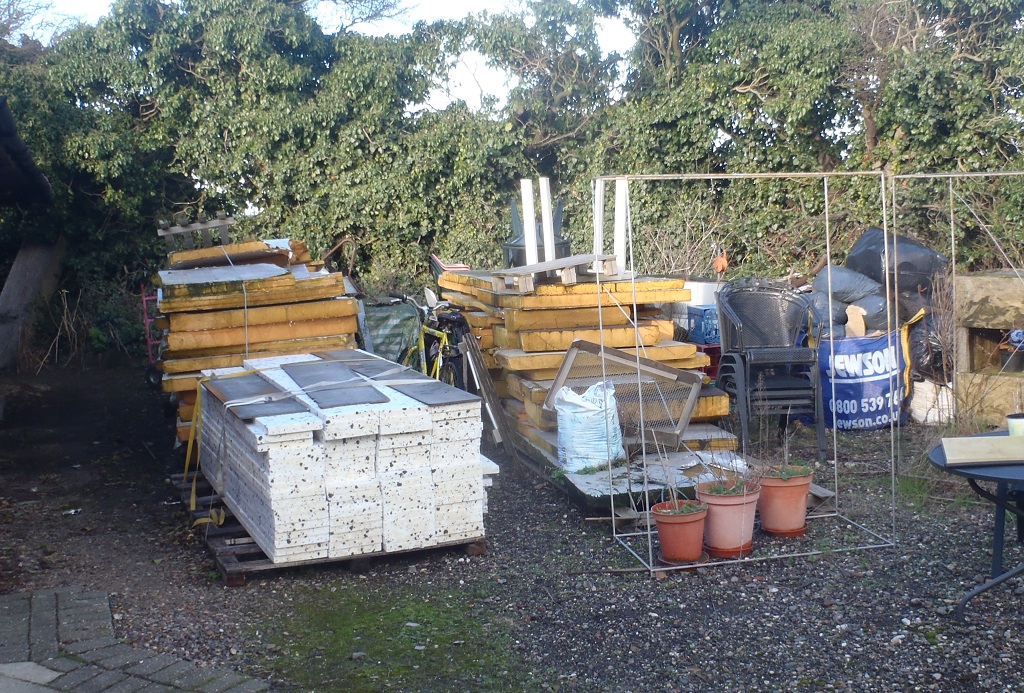
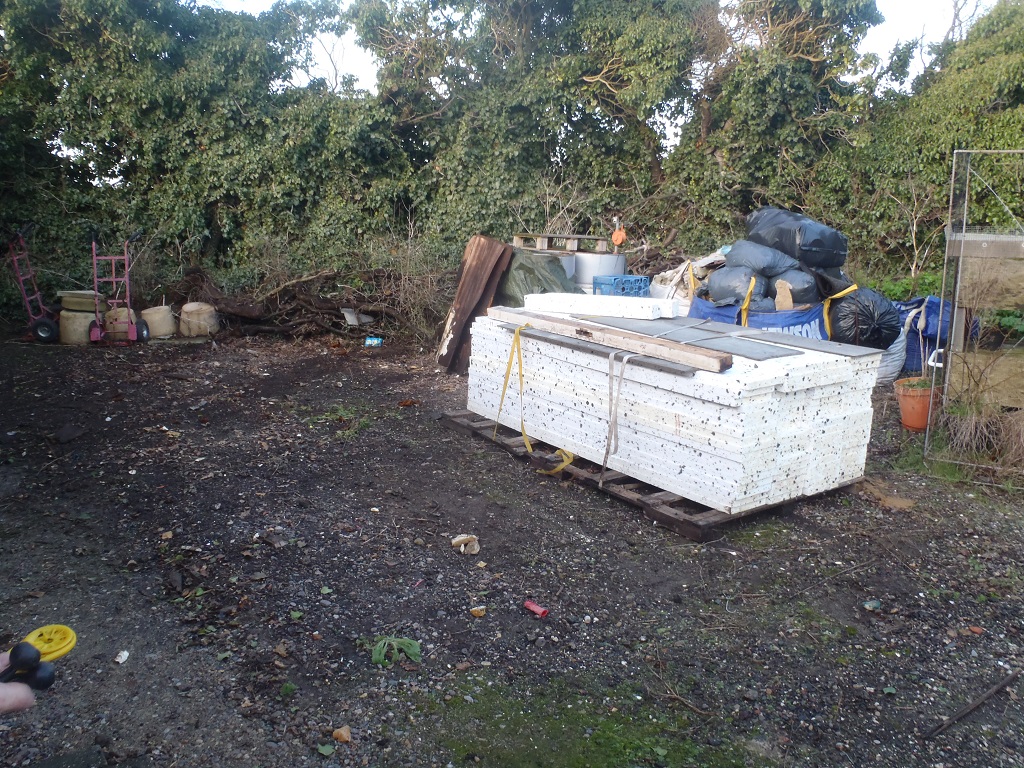
    We repaired a puncture in the tyre of our large flatbed trolley and used it today to transport three piles of PU foam boards and also the six containers holding our thermal solar tubes and moved them all inside our main building to get them out of the way.

    Storage-Area-Before

    Storage-Area-Before

    Storage-area-cleared-tidied

    Storage-area-cleared-tidied


    We then repaired our two large door mats which were tearing apart and stuck them on to a sheet of hardboard using our builder’s silicone glue and did some other little odd jobs too.
    So on Monday, hopefully with good weather, we will get on with installing the “P” rafters and get back into the flow of creating more rafters to finish off the last few sections in our roof!!

  • Oak Shelter Constructed

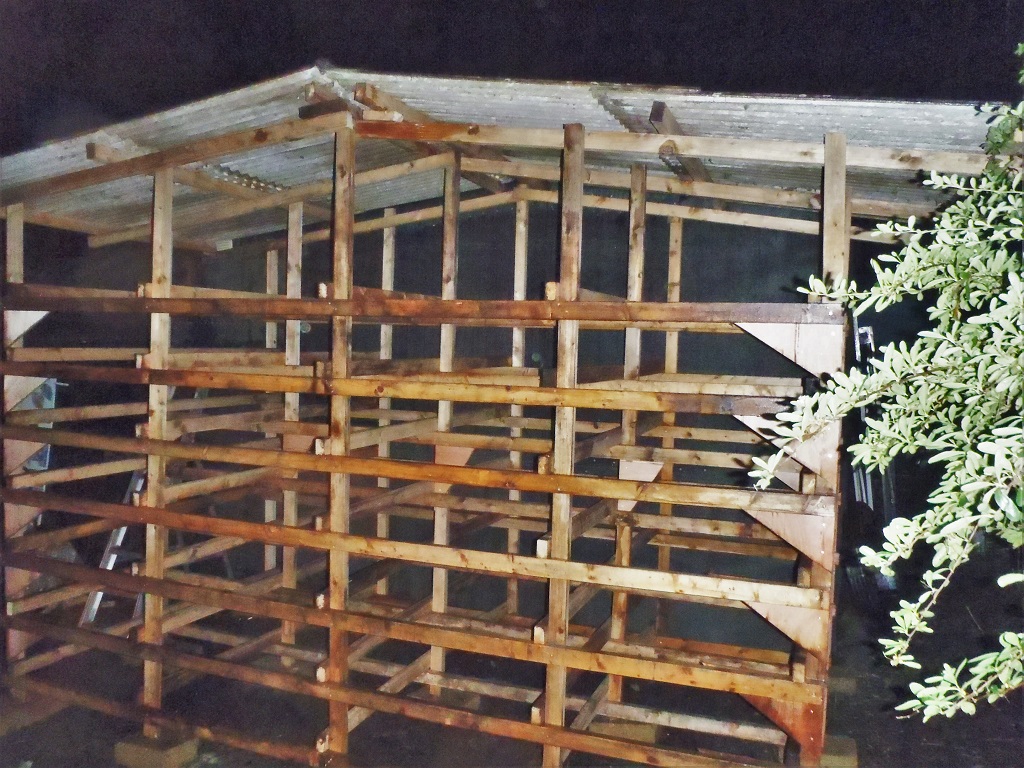
    These last few days has been spent working on our Oak Timber requirements and as a result of putting in quotes for more than 6 cubic metres of Oak, we needed to store it on a rack, which is well ventilated and dry.
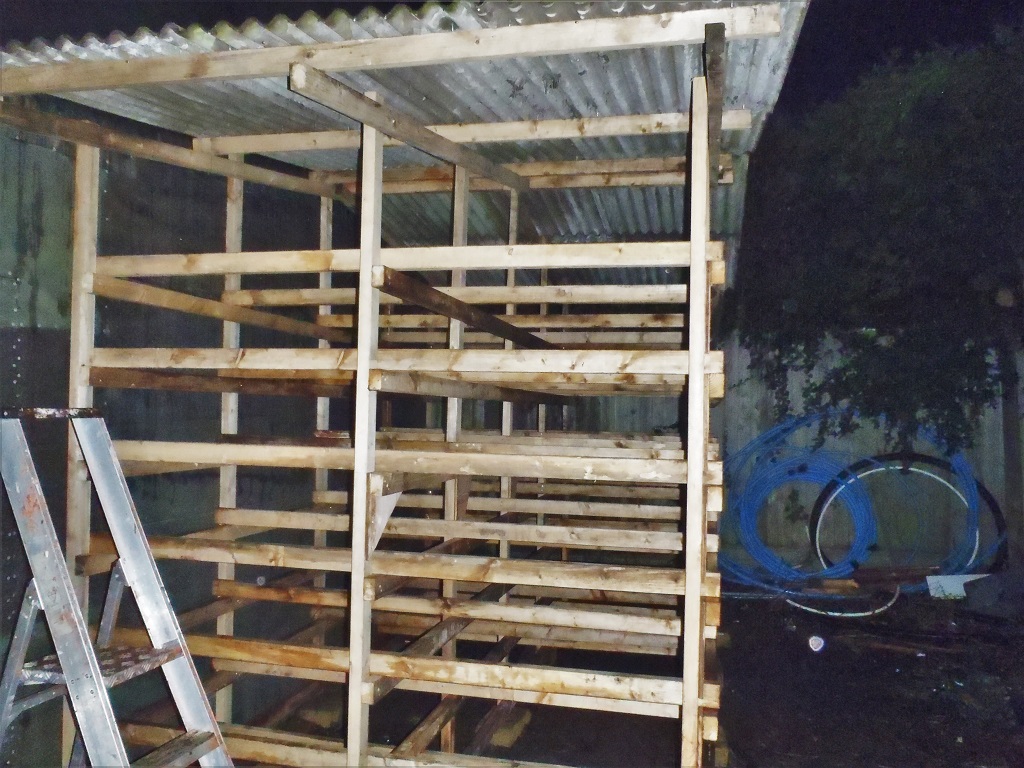
    We made a structure 2 metres wide by 3.5 metres deep and 2.5 metres high , divided into two columns, each a metre wide, and having seven shelves. The weight of the timber will be about 5 tons so all the joints and supports were reinforced with plenty of nails and screws and the legs all sitting on concrete blocks to distribute the load.

    Oak-Storage-Front

    Oak-Storage-Front

    Oak-Storage-Side

    Oak-Storage-Side


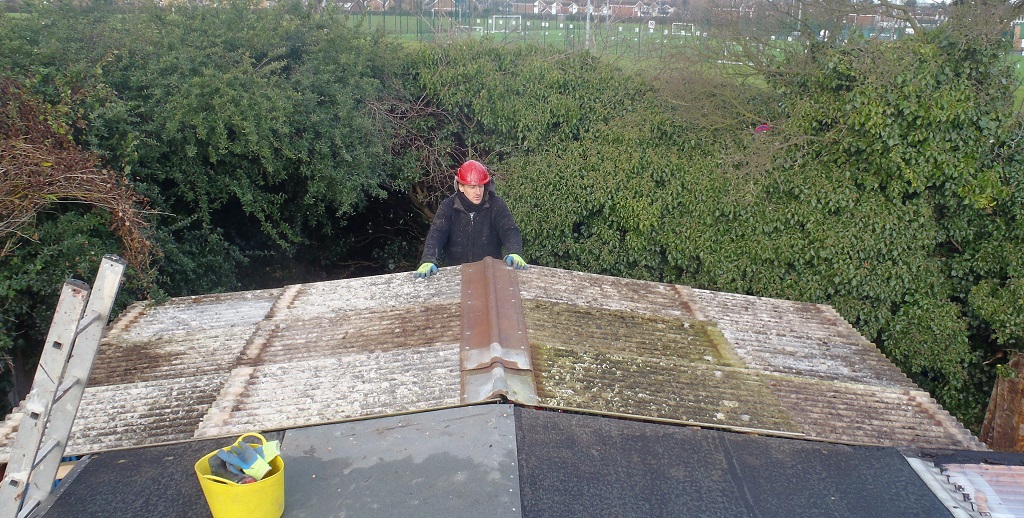
    The roof was made using some old corrugated cement panels and a metal ridge cap (they were originally from a garage we inherited when we bought Roselea in the first place), putting up 12 panels to make a good overlap to keep the rain off the Oak.
    Oak-Storage-Roof

    Oak-Storage-Roof


    The final job will be to put up some plastic corrugated sheeting vertically on the long side to stop the rain from driving in sideways, we will do that tomorrow. And also put a line of roofing felt with glue to join this shelter to the end of our existing storage building to stop the small amount of rain getting in down the gap.

  • Built Rain Shadow protected Storage Area

    First thing this morning, we planed the four half-done long timber pieces left over from last week, down to the required 69mm thickness, using our power assisted planer machine.

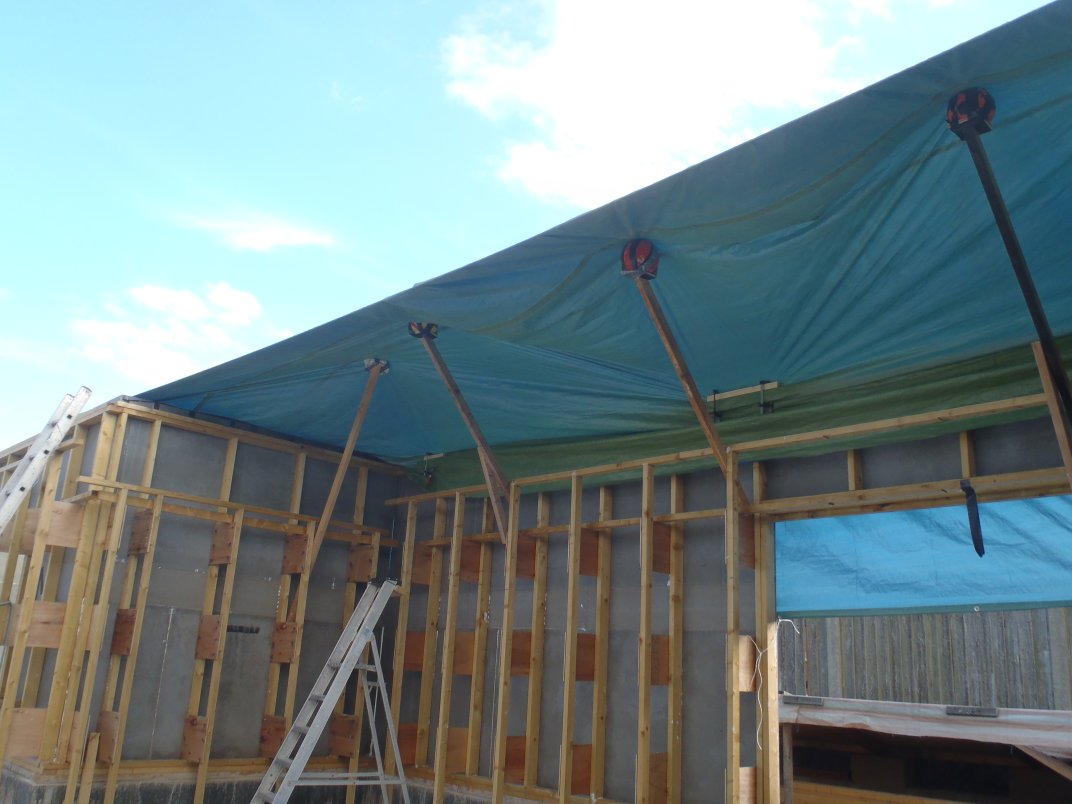
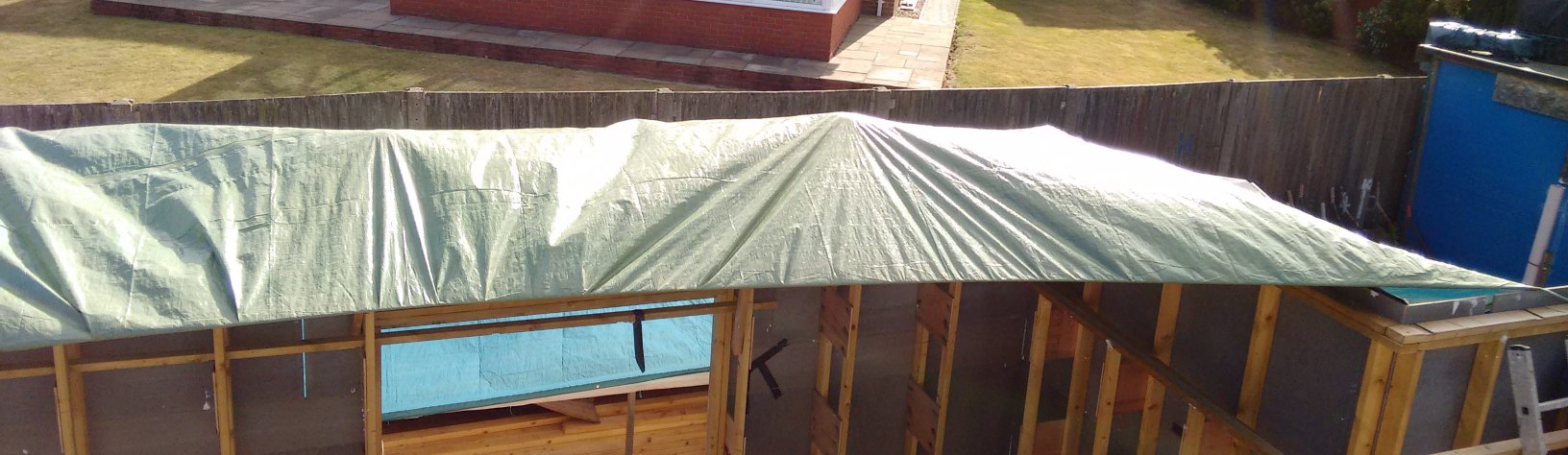
    Then, taking these four pieces outside, we wondered where to put them and keep them out of the rain. So we decided to hoist up one of our large tarpaulin sheets right across the top of the three sides of Bedroom 2 which is an extension sticking out towards the swimming lane.

    It was a folded over plastic tarpaulin using a tensioned rope to form the fourth side and then tied down the edges using string from the eyelets down to concrete blocks.

    But we found that it still wouldn’t form a flat area so we also propped up various locations up inside the covering using diagonal struts with footballs taped on the ends (for a softer contact to the plastic surface) and this helped to create sloping ridges to encourage the rain water to run off without forming puddles.

    Rain-Cover

    Rain-Cover

    Rain-Cover-from-above

    Rain-Cover-from-above


    It was a surprising long time to complete this task, some of it because we had some stiff breeze blowing our tarpaulin around, but also trying out different methods of creating a slope and having to change our ideas half way doing this job. Phew!

    Now we have a rain shadow ready to keep our timber mostly dry and also very well ventilated, especially that we have our special LVL timber coming this week and we need somewhere to store it in the dry until we are ready to use them in building the special roof rafters.

  • Odd Jobs

    This afternoon, we readjusted the sun shield over our corridor we did last week. It needed tightening up.

    Also, we reduced the height of the scaffolding tower down by one segment so it can be moved around on its four giant castor wheels easily when we come to installing the rafter beams around the steel framework and down on the walls.